Entries by Chris Cockayne

Car Insurance After a Crash in Utah: What To Know Now

After a Utah crash, your PIP pays first for medical bills, up to $3,000. You can pursue the at fault driver when costs pass $3,000 or for serious injuries. Report, document, and claim quickly, then consider seeking help to protect compensation.

If you were just in a wreck, you might be asking one question: who pays and when. The first part of your medical care is covered by a no-fault system under Utah car accident laws. As a result, personal injury protection is usually paid first under your own policy. This may allow you to sue the driver who caused the accident. 

The measures you take in the first few days after a crash matter a lot. Keep essential records with you, visit a doctor, and file your claim on time. Whether the injury keeps you out of work or the car is totaled, you’ll need a plan to get back on your feet. When you think that the situation is getting tough, a personal injury lawyer West Jordan can help you understand your rights and deal with the insurer.

Key Things You Should Know

  • No-fault PIP pays medical bills first
  • You can step outside with no fault after $3,000
  • Certain serious injuries also meet the threshold
  • Utah uses modified comparative fault rules
  • File claims and lawsuits within set deadlines
  • Keep photos, bills, and repair estimates
  • Do not guess when speaking to adjusters
  • Take legal assistance to deal with insurance adjusters
  • Ask your doctor to link injuries to the crash
  • know about how car insurance pays for medical bills 
  • Rental, total loss, and UM/UIM matter
  • Simple safety habits cut future claim risk

Utah Car Insurance After a Crash: The Basics

Drivers in Utah must carry liability insurance and personal injury protection, which is called PIP. At a minimum, policies include:

  • $25,000 for an individual’s injury
  • $65,000 for each accident
  • $15,000 for property damage
  • $3,000 in PIP

You don’t have to worry about who caused the accident; PIP pays your medical bills first. Moreover, many drivers in Utah buy uninsured and underinsured motorist coverage. They do this to safeguard themselves in case the at-fault driver does not have any insurance for minor accidents or has insufficient coverage. These add-on coverages are essential in hit-and-run events or low-limit policies. 

PIP is meant to be fast. It can also include limited wage loss and household help when injuries keep you from working or doing basic tasks. The exact benefits depend on your policy. Keep all receipts and doctor notes together. In this way, your carrier can process the claim faster. 

In cases where medical bills are under $3,000 and injuries are minor, you may be eligible for PIP and liability coverage. When costs rise or injuries are serious, you can move beyond no-fault and make a claim against the other driver’s insurer.

In the first 48 hours, what to do?

In this time period, what you need to do after a car accident is:

  • See a doctor and follow all care plans.
  • Take photos of vehicles, scenes, and injuries.
  • Notify your insurer and open PIP and property claims.
  • Save every bill and estimate.

When You Can Step Outside No Fault?

Utah lets you pursue the at fault driver when your crash-related medical bills are more than $3,000. You can also step outside no fault if you suffered certain serious injuries, such as permanent disability, loss of a body part, permanent disfigurement, or death. Reaching either path lets you claim pain and suffering and other losses from the liable driver’s insurer. Keep a simple log that will include dates, doctors, bills, and symptoms. This helps you show you crossed the threshold or meet a serious-injury category. 

Even when you move beyond no fault, your PIP still pays first. Your health insurance may step in after PIP is used up. Later, the at fault driver’s insurer may reimburse those payments through car insurance and settlements. The key is clean records and consistent treatment. If you are unsure which coverage applies, ask questions before you sign any forms. A short call with a car accident attorney in Utah can prevent mistakes that slow your claim.

Utah Comparative Fault and Your Payout

According to Utah’s comparative fault rule, there is a 50% bar on fault. Money cannot be collected from the other driver if you are 50% or more at fault. In cases where you are less than 50% at fault, your payment will be reduced based upon your percentage of fault. A 20% fault result, for example, would result in a 20% drop in your award. 

Here, car accident evidence is crucial. Various factors may affect a claim’s success, including photos, skid marks, traffic camera footage, black box data, and witness names.

Do not guess when you talk to an adjuster about fault. Stick to facts and what you know. If you feel pressured, pause the call and get guidance from a car accident lawyer in Utah who can speak for you. A simple misstatement can be used to raise your fault share. Written statements should be brief and reviewed with care. It is important that if the adjuster requests a recorded statement, you understand why and if it is required.

Deadlines, Notices, and Claim Steps

Utah’s deadline to file a personal injury lawsuit after a crash is generally four years. Wrongful death claims have a two-year window. If you have a claim against a government entity, you have to act fast. There are special rules and insurance timelines for these types of cases since they require extra notice. When you settle, it provides you with leverage and protects your rights. Take note of your calendar, gather Utah car accident police reports, and contact a lawyer as soon as possible.

Basic claim path:

  1. Open your PIP claim and property claim right away.
  2. Get estimates from trusted shops and keep copies.
  3. Send medical bills to PIP first.
  4. When bills pass $3,000 or injuries are serious, open a bodily injury claim with the at fault carrier.
  5. Track lost wages with employer letters and pay stubs.
  6. Save proof of all out-of-pocket costs.
  7. Do not sign a release until treatment is stable.

If talks stall, a car accident attorney Utah can gather evidence, value the case, and handle negotiations. If needed, they can file suit before the deadline so your claim stays alive.

Repairs, Total Loss, Rental Cars, and Diminished Value

Property damage claims feel urgent because you need a safe car now. A property insurance policy should handle repairs if the other driver is clearly at fault or if there is a total loss. If liability is disputed, you can use your own collision coverage. In this way, you can let insurers sort it out later. 

Consult with the shop management about the repair time and whether original parts will be used. A totalled car’s real cash value is determined by local market data, not its purchase price. For maximum value, keep track of upgrades and recent work.

Rental uninsured and underinsured motorist coverage depends on the policy. The at fault carrier usually pays a reasonable daily rate while your car is in the shop. If you use your own rental coverage, check the daily limit and total days allowed. After major damage, you may also have a diminished value claim. As a result of the crash, there is a decline in the resale value of the vehicle. Gather listings for similar cars without accidents to support your number.

Practical Driving Safety Tips for Utah Roads

Good habits lower risk and can cut claim headaches later. Use these simple steps on city streets, mountain canyons, and winter roads.

  • Leave more space in snow and rain.
  • Keep proper tire inflation and tread health.
  • Check lights and wipers monthly.
  • Refrain from speeding in work zones and around schools.
  • Keep a blanket and water kit on hand.
  • Use a dashcam if budget permits.

Plan routes with weather in mind. Black ice forms fast in shaded spots and bridges. After any near miss, pull over when safe and take a breath. Building quiet road habits now can prevent injuries and keep your record clean, which also keeps insurance costs lower.

Hire the Best Car Accident Injury Lawyer in Utah: Why Many Choose Cockayne Law?

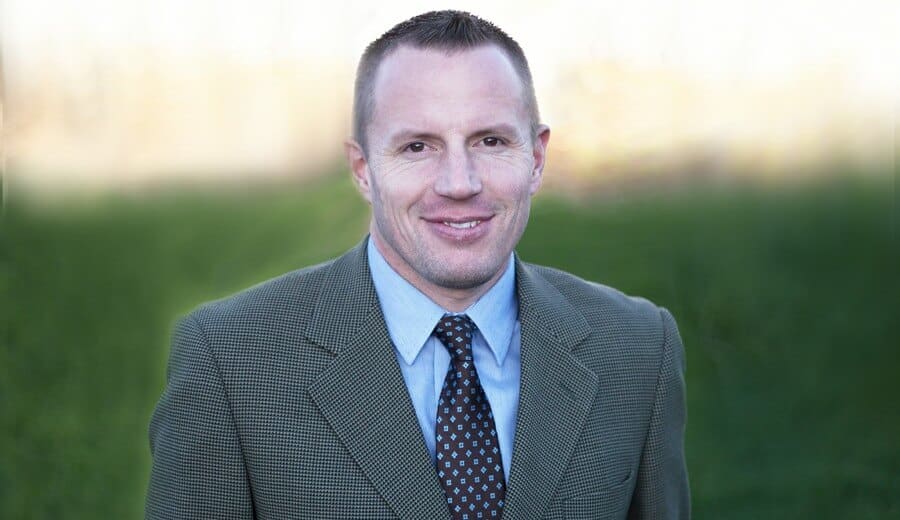
When injuries are real, you need a focused legal team that knows Utah rules and insurers. Chris Cockayne is a Utah-licensed attorney whose practice centers on personal injury and auto crashes. His firm, Cockayne Law, handles liability disputes, medical evidence, and settlement talks across the state. The team builds cases with medical opinions and hard proof, then pushes carriers for full payment. Past clients are often referred by friends and family. They speak to the trust built over time.

What does this mean for you? First, talk about the value of your claim and the parts of the file that need work. Second, help with deadlines, recorded statements, and liens. If you are dealing with long treatment or a complex fault, calling Cockayne Law for a free case review can bring clarity fast, and it lets you focus on healing while your file moves forward.

Final Thoughts

Car insurance rules and insurance company investigations can feel confusing right after a crash. Start with care, records, and on-time claims. Let PIP do its job, then look at the path to recover full losses from the driver who caused the wreck. Fault, deadlines, and medical proof drive real outcomes. If questions pop up, a seasoned attorney can help you make smart choices and avoid avoidable mistakes. Your health comes first. Your claim should support that, not the other way around.

FAQ - Frequently Asked Questions

Who pays my medical bills after a Utah crash?


Your PIP pays first, usually up to $3,000, no matter who caused the crash. If your bills pass $3,000 or you suffered certain serious injuries, you can seek payment from the at fault driver’s insurer for pain, suffering, and other losses.

You can step outside no fault when your medical bills exceed $3,000 or you have a qualifying serious injury. At that point, you may bring a claim for losses PIP does not cover, including pain and suffering. 

A policy that covers uninsured motorists can step in if you purchased one. No-fault insurance pays for injuries caused by at-fault drivers. The underinsurance coverage comes in handy when the limits of the policy are too low. In cases involving serious injuries, these protections are important.

Call early if injuries are more than minor, bills are rising, fault is disputed, or the adjuster is pushing for a quick release. A car accident lawyer in Utah can sort coverage, value the case, and speak for you while you heal.

After a Fatal Car Crash in Utah: Real-World Legal Guidance For Families

After a fatal crash in Utah, a personal representative brings a wrongful death claim for all heirs. Most cases must be filed within two years. Death bypasses Utah’s no fault […]

Head-On Collisions: Causes, Injuries, and Your Legal Options

Head-on crashes happen when two vehicles strike front to front. They cause severe head, neck, chest, and leg injuries. In Utah, PIP pays first, but you can sue once thresholds […]

Utah Drunk Driving Crashes: Real Help for Injured People

If a drunk driver hurts you in Utah, get medical care, call police, use PIP for early bills, then pursue full compensation for losses. You may also claim punitive damages and, in some cases, sue the bar that overserved.

A drunk driving crash turns life upside down in a moment. You face pain, bills, insurance calls, and a lot of questions. Utah law gives you several paths to seek compensation for medical expenses, lost wages, pain, and other harms. In some cases you can also seek extra money to punish reckless conduct. 

This blog explains what counts as a drunk driving crash in Utah, what to do after the wreck, how claims work, and when you can sue a bar or social host. It also shows how Utah’s no fault rules and time limits affect your case, and why acting early with the right legal help matters. You will find clear answers, simple steps, and resources made for Utah families.

Key Things You Should Know

  • Utah’s legal limit is 0.05 BAC. 
  • PIP pays first medical bills up to $3,000. 
  • You usually have four years to sue.
  • Punitive damages may apply in DUI cases.
  • Some bars can be sued for overserving.
  • Fault must be under 50% to recover.
  • State aid may help crime victims’ costs.

What counts as a drunk driving crash in Utah?

Utah set the legal limit at 0.05 blood alcohol concentration in 2018. That is stricter than most states and means a driver can be “legally drunk” at a lower level. Police can also cite drug impairment. After a crash, officers may test the driver and note signs of impairment in the report. 

If the other driver was arrested or cited for DUI, that helps your civil claim, but your right to money does not depend on a criminal conviction. Your civil case uses a lower burden of proof. Studies from federal road safety officials show Utah’s lower limit reduced deaths without harming the economy, which supports the policy behind these claims. 

Signs and proof that support your claim

Photos, videos, witness names, bar receipts, and any police field notes can help show the driver was impaired. Save your medical records and keep a pain journal. For cases in which the driver was overserved by a bar or restaurant, a receipt or surveillance video is key.

First steps after a DUI crash

There is no substitute for good health. It’s important to get checked on the same day, regardless of whether you feel fine. Describe all your symptoms to the doctor. As a next step, you should report the accident to the police and your insurance company. If you have personal injury protection coverage, you can use it for medical bills and certain lost wages. 

In Utah, PIP is required and pays up to a base amount of $3,000 in medical care per person unless you bought higher limits. When your injuries meet Utah’s threshold or bills hit the threshold, you can step outside no fault and claim full damages from the drunk driver’s insurer.

Quick checklist

  • Medical visit and follow-up
  • Police report and crash report number
  • Photos, witness contacts, receipts
  • Claim notice to your own insurer

Who pays and what can you claim in a drunk driving case?

Once you step outside no fault, you can claim past and future medical costs, lost income, loss of earning capacity, repair or total loss value, and pain and suffering. Utah law may also allow punitive damages in drunk driving cases. There is no such thing as making you whole when it comes to punitive damages. 

They punish and deter dangerous conduct. Utah has special rules on how punitive awards work in DUI cases and how certain amounts are divided with the state, which is unique and important to understand during settlement talks. An experienced attorney will also look for uninsured or underinsured motorist coverage on your policy and any umbrella coverage the at-fault driver carries.

Crime victim help

If bills pile up and insurance is slow, the Utah Office for Victims of Crime may help with medical costs, counseling, funeral costs, and some lost wages when no other source exists. Applications must meet program rules, so start early.

How to sue a drunk driver in Utah?

Most cases settle, but filing a lawsuit keeps your rights safe. In Utah, the general time limit for car crash injury suits is four years from the date of the crash. Wrongful death cases have a shorter limit. Cases against government bodies have special notice rules and shorter deadlines. 

Your lawyer files a complaint in the proper court, the defense answers, and both sides exchange evidence. Your medical proof, proof of impairment, and proof of losses drive settlement value. If the driver was convicted of DUI, that can help in civil court. Still, civil cases often settle based on medical evidence, crash mechanics, and insurance limits.

Tips that move cases faster

Stay in treatment, follow medical advice, track missed work, and keep a simple file with all bills and receipts. Clear records shorten the back and forth.

Settlement amounts in DUI crash cases

There is no fixed table for payouts. Two cases with the same diagnosis can settle very differently because of age, job impact, future care, and insurance limits. In DUI cases, punitive damages can raise the stakes, but they are not automatic. Utah law sets special standards for DUI punitive claims and even sets rules for how parts of large awards are shared with the state. 

The realistic value of your case comes from medical proof, clear fault, policy limits, and your recovery path. A strong demand package will connect your medical story to the crash and show why full payment is fair and lawful in Utah.

Common factors that influence value

  • Medical care and recovery time
  • Permanent limits and future needs
  • Wage loss and job impact
  • Strength of DUI evidence and witnesses
  • Insurance limits and any excess exposure

Can bars or hosts be liable? Utah’s dram shop rules

Utah has its Alcoholic Product Liability Act. It includes what most people call a “dram shop” claim. Generally, if a business unlawfully serves alcohol to a clearly intoxicated or minor, and that overserving contributes to the crash, you can sue the business as well as the driver. 

These cases move fast because video can be recorded over and staff change. Your lawyer will send preservation letters right away, seek receipts, camera footage, and witness lists, and check training policies. Dram shop cases add another insurance policy to the table, which can help when the drunk driver’s policy is small.

Social host questions

Utah’s rules for private hosts are narrower than rules for bars. Ask your lawyer if facts fit a social host claim in your situation.

Fault and your case: Utah’s comparative negligence rule

According to Utah law, comparative fault is modified. In order to recover compensation, you must have shared less than 50% of the fault. A driver who is 50% or more at fault cannot be sued for damages. You are responsible for your share of fault in reducing your recovery. In a drunk driving case, the impaired driver usually bears most of the blame. 

However, defense insurers may still argue you were speeding, distracted, or not wearing a seat belt. Good lawyering pushes back with crash data, medical consistency, and witness proof to keep your share low and your recovery fair. 

Hire the best Car accident attorney Utah families trust

A serious crash needs steady help and clear answers. You want a team that understands Utah’s 0.05 law, no fault rules, punitive damages, and dram shop claims. Ask about the plan for your case, how the firm documents medical proof, and how they time a demand to fit your recovery. A good fit feels calm, honest, and focused on your goals. If you are looking for a Car accident lawyer Utah survivors recommend, look for real Utah results, not gimmicks.

Cockayne Law, led by Chris Cockayne

Chris Cockayne and his team focus on helping injured people tell a clear story backed by records, photos, and honest witness proof. They guide clients through Utah’s no fault rules, line up PIP benefits, and then build the full claim with medical support and wage documents. 

The firm gathers DUI evidence, tracks criminal case status, and pursues all liable parties, including any bar that is overserved, when the facts support it. Clients get help with medical scheduling and simple updates so they always know what comes next. 

If a case needs to be filed, the team prepares you for each step and keeps pressure on the defense to reach a fair settlement. When families ask for a Car accident attorney Utah drivers trust after a DUI crash, Cockayne Law is a natural call.

Final Thoughts

You did not choose this crash, but you can choose what happens next. Get care, document everything, and learn your rights. Utah law offers several ways to recover money for your losses, and some cases allow extra punishment for reckless conduct. Claims move best when you act early, protect your words, and work with a steady local guide. A skilled Car accident lawyer in Utah can help you use PIP, step outside no fault, and pursue every liable party so you can focus on healing. If you want a conversation with a real person who will listen, call Cockayne Law today.


FAQ - Frequently Asked Questions

Can I sue a drunk driver even if I used my PIP benefits?


Yes. PIP pays the first layer of medical bills. Once your injuries meet Utah’s threshold or bills reach the required amount, you can step outside no fault and pursue the drunk driver for full damages such as pain, lost income, and future care.

Yes, Utah law allows punitive damages in DUI cases under special rules. The statute eases the usual standards for punitive damages when the at-fault person drove while intoxicated. Your lawyer will explain how these rules may affect settlement talks.

Sometimes. Utah’s dram shop law allows claims against businesses that illegally served a minor or someone who was clearly intoxicated when that overserving helped cause the crash. These cases move fast, so evidence must be preserved right away.

Utah’s comparative fault rule still lets you recover if your share of fault is under 50%. Your payment is reduced by your share. Careful work on evidence helps keep your percentage low. 

There is no fixed chart. Value depends on injuries, recovery, lost income, future care, proof of impairment, and insurance limits. Punitive damages may apply, which can raise exposure for the defense in the right facts.

Yes. The Utah Office for Victims of Crime may help with medical costs, counseling, burial costs, and some lost wages when no other source exists. Apply as soon as you can and keep copies of all bills. 

Utah Car Accident Laws: A Clear 2026 Guide For Drivers

Utah car accident laws use no fault PIP first, require police reports for injury or $2,500 damage, and follow a 50 percent fault bar. Most injury lawsuits have a four year deadline statewide. Minimum liability is 30/65/25 with $3,000 PIP. If you are searching for a car accident injury lawyer, this blog will help you speak with a lawyer with confidence and ask the right questions. We keep the focus on what matters today, in Utah.

Key Points You Should Know

  • Utah is a no-fault PIP state
  • Report crashes with injury or $2,500 damage
  • 30/65/25 minimum liability as of 2025
  • $3,000 PIP and lawsuit threshold rules
  • Four years to file most injury claims
  • Car seat regulations are important 
  • 50% fault bar can block recovery
  • Police reports help prove fault and damages
  • UM or UIM helps after hit-and-runs
  • Knowing the history of seatbelt laws helps
  • Talk to a lawyer before giving statements

Utah Car Accident Laws At A Glance

Utah blends two systems. Claims start with no fault benefits called PIP, then fault still matters for larger losses. Police must be called when anyone is hurt, someone dies, or total damage is $2,500 or more. 

You may also be required to submit a written report if the Department of Public Safety asks for it. At the scene, keep it simple. You should check for injuries, call 911, exchange names, insurance information, and registration information, as well as take photos. 

Request a copy of the police report. These steps protect both your health and your claim. Utah raised the minimum auto liability limits to 30/65/25 on January 1, 2025. That is $30,000 for one injured person, $65,000 total per crash, and $25,000 for property damage. 

Many drivers carry more because hospital bills rise fast. The PIP minimum remains $3,000 per person for medical bills, paid by your own policy first. 

Reporting Rules In Utah: When And How To Report

Need step-by-step help on how to report a car accident? Follow our detailed guide:

When to call the police?

You should call instantly if anyone is hurt or if the car accident compensation looks like it could reach $2,500 or more due to the damages. The law requires notifying law enforcement in those events. Officers create a report that insurers rely on during fault and damage reviews.

If the crash seems minor?

Even small impacts can hide injuries. Report when in doubt. Some local agencies need a few business days before the report is ready. Ask how to request it and the fee. Getting that report often speeds your claim.

Why does it matter?

Failing to report when required can bring penalties and also invite disputes or denied car accident claims later. Insurers and courts look at police reports, photos, and medical records to decide fault percentages and payment amounts.

No Fault And PIP In Utah: What Gets Paid First

Utah is a no fault state. That means your own Personal Injury Protection (PIP) pays first for reasonable medical care after a crash, no matter who caused it. The minimum PIP medical benefit is $3,000 per person. PIP can also include wage loss and household services in some policies. 

You can step outside of no-fault and make a claim against the at-fault driver when your medical bills go over $3,000 or when the crash causes serious harm, such as permanent disability, disfigurement, or certain major injuries. 

In those cases, you may seek pain and suffering and other losses from the person who caused the crash. Keep every bill and receipt. Use one medical history for the whole crash so the adjuster sees a clear record. 

Fault And Comparative Negligence: How Utah Splits Responsibility

Fault still matters in Utah once you cross the no-fault threshold. Utah follows modified comparative negligence with a 50% bar. Your payment is reduced by your share of fault. A personal injury lawsuit cannot be recovered if the plaintiff is 50% or more at fault. For determining fault shares, insurers study police reports, photos, damage patterns, and road rules. 

The more you take a left turn without a safe gap, the more you speed, the more you tailgate, and the more you use your phone while driving, the more you can increase your share. Weather and road hazards can also play a role. Adjusters may split fault when both drivers made errors. And remember, fault can be even more complex in multi-vehicle accidents.

Your job is to give clear facts that match the evidence. Keep a simple timeline, save dashcam clips, and take repair photos. If an insurer pushes a high fault number on you, a car accident attorney can challenge it with expert review and, if needed, a reconstruction.

Deadlines: Utah’s Statute Of Limitations And Other Time Traps

Most Utah car crash injury claims must be filed in court within four years. Property damage claims often have a 3-year limit. Wrongful death claims are usually two years. These are general rules with exceptions, so do not wait. If a government vehicle is involved, notice rules can be much shorter. 

Evidence fades fast. Videos are deleted, cars get repaired, and witnesses move. Start the claim with your insurer quickly. Then collect medical records, wage proof, and repair estimates. If you plan to bring a claim against the other driver, talk with a personal injury lawyer Magna early. So you do not miss key steps such as preserving black box data or sending evidence. 

Contact The Best Car Accident Injury Attorney Utah: Talk With Chris Cockayne At Cockayne Law

When pain, bills, and calls from adjusters pile up, the right guide matters. Chris Cockayne and the team at Cockayne Law help Utah crash victims sort out PIP benefits, fault disputes, medical liens, and settlement talks. 

They speak with you in plain terms, set a plan, and handle the insurer while you focus on care. The firm can review your police report, check the $3,000 PIP threshold, and explain how Utah’s 50 percent bar could affect an offer.

They also look for every source of coverage, including UM or UIM for hit and run and short policies on borrowed cars. If needed, they file suit within Utah’s deadlines and line up the records and experts that help prove your claim. 

Final Thoughts

Utah crash law is easier to handle when you break it into steps. Report when required, use PIP right away, track your care, and know that fault and deadlines still control the bigger claim. The new 30/65/25 minimums help, but many families need higher limits or UM or UIM (under Utah Code Section 31A-22-305.3) for better safety. Keep records and be careful with statements and negotiating car accident settlements. Also, ask questions until you feel clear on the next move. If you want local help, a short call with a Utah lawyer can steady the path and protect your rights.

FAQ - Frequently Asked Questions

Is Utah a no fault state and what does PIP pay?


Yes. Utah uses no fault rules. Your own PIP pays first for crash medical care. The PIP minimum is $3,000 per person. Policies can also include wage loss and household services. Keep bills and receipts so payments post without delay.

You can bring a claim against the at fault driver when your medical bills go over $3,000 or when you suffer serious harm such as permanent disability or disfigurement. That is when pain and suffering can be part of your claim.

Utah cuts your recovery by your share of fault. If you are 50 percent or more at fault, you cannot collect injury damages from the other driver. Fault is based on evidence like the report, photos, and road rules.

Most Utah injury cases have a four year limit. Property damage claims often last three years. Some claims, like those involving government vehicles, may have shorter notice rules. Ask a lawyer to confirm your exact deadlines.

Uninsured or underinsured motorist coverage can step in if you bought it. In Utah, UM and UIM are not mandatory, but if purchased they track the new liability minimums. Ask your agent to confirm your limits.

PIP pays first, up to your limit, commonly $3,000. If your care costs more, health insurance or the at fault driver’s liability coverage may pay next, depending on fault and the threshold rules. Keep all records to avoid gaps

Be polite but careful. Give basic facts only. Do not guess about pain, fault, or speed. You can ask a Utah lawyer to handle calls, which helps avoid statements that hurt your claim later.

What Evidence Do You Need for a Car Accident Claim in Utah?

A strong car accident claim relies on clear evidence. Take pictures and videos, obtain a police report, medical records and bills, witness names and statements, and obtain repair estimates. Save […]

Utah Car Accident Police Reports: Everything You Need to Know

Car Accident Police Reports

A police report records key crash facts that insurance adjusters read first. In Utah, you can request it online or from the local agency. If details are wrong, ask for a correction or add a statement with proof.

Right after a crash, you need facts, not guesswork. A police report is a simple way to lock in what happened, who was involved, and where the damage was. It helps insurance, shows the timeline, and preserves witness notes. In Utah, reports follow a standard format that officers use across the state. 

You can request a copy, read it line by line, and fix errors you spot. This guide explains when a report is required, how to get one, how to read the Utah DI-9 form, what a sample layout looks like, and how to dispute mistakes. 

We will use Utah rules and agency steps so you are not left searching. In case you have questions, speak with a local car accident attorney who knows how insurers use these reports.

Key Points You Should Know

  • Injury, death, or high damage triggers reporting
  • Get reports from state or local records
  • Utah crash form is the DI-9
  • Codes explain events and conditions
  • You can fix factual errors
  • Officers rarely change opinions
  • Insurance leans on report details
  • Keep copies for your claim timeline

Do I Need a Police Report For a Minor Crash in Utah?

Not every fender bender needs an officer at the scene, but Utah law sets clear triggers. If anyone is hurt, if there is a death, or if property damage appears to be at least $2,500, the crash must be reported. 

Officers who investigate must file the electronic report with the state within 10 days after finishing their investigation. The Department of Public Safety can also require drivers to file a report within 10 days of the state’s request. That report became part of the statewide crash record. These rules matter even for what seems like a small hit in a parking lot. 

How To Get a Copy of Your Utah Crash Report?

Start by asking which agency handled your crash. On highways and many state roads, the Utah Highway Patrol responds. If you wish to obtain a copy of the crash report for a specific crash, you can do so by visiting the Utah Department of Public Safety’s Public Records Portal under GRAMA. 

Upon the release of the digital copy, you will be able to order it online. Police departments and sheriff’s offices can provide your police report in case of city or county crashes. Many agencies let you submit GRAMA requests online. Fees are modest and vary by agency. For example, Salt Lake City lists a $10 charge for traffic accident reports up to 50 pages. 

Some sheriff’s offices sell reports through Crashdocs by Carfax. Reports are protected records in Utah and go to people allowed by law, such as involved drivers, their insurers, and attorneys. Plan for a short wait while the officer finishes and the report is approved. Many departments say 3 to 5 business days, but complex cases can take longer. 

Some Utah car accident attorneys will request the report for clients as part of the claim setup.

How To Read a Utah DI-9 Police Report?

Utah officers use a standard crash form called the DI-9. It looks dense at first, but it tells a clear story in numbered boxes and check fields. Near the top you will see date, time, exact location, road type, and light and weather conditions. Each vehicle has its own section with the driver’s info, insurer, vehicle damage area, and whether a citation was issued. There is a small diagram space where the officer draws paths of travel and point of impact. 

You will also see coded boxes for the sequence of events. Those codes show what happened first, second, and so on, such as rear-end, sideswipe, or a non-collision event like running off the road. 

Other boxes cover restraints, airbags, child seats, and injury levels. The narrative section ties it all together in plain words, listing witness names and what people said happened. Once you understand that codes and boxes match the diagram and the narrative, you can move through the report with confidence. Keep notes of anything that seems off so you can request a fix.

Source: Highwaysafety Utah

Car Accident Sample Layout: What You Will See In a Report?

This is a simple walk-through of a typical report layout to help you prepare for when your copy arrives. 

The header lists the agency, case number, and report date. Location lines show the road name, mile marker or block, and city or county. The next block lists weather, light, and road surface. 

Officers mark clear, cloudy, rain, daylight, dark, dry, wet, and similar options. The vehicle sections list each driver, plate, insurer, and damage area, often using a clock-face or zone grid to mark where the car was hit. A small sketch maps the roadway, lanes, directions of travel, and the point of contact. 

Codes show the sequence of events for each vehicle, such as braking, impact, spin, or secondary impacts. The narrative explains the chain of events in plain text and often notes who admitted fault or who received a citation. 

Finally, the report includes any measurements, photos referenced, and the officer’s name and badge number. This structure helps insurers and courts follow the facts in order.

Fixing or Disputing Errors in a Police Report

Reports can have mistakes. Names can be misspelled, plates transposed, or a lane number written wrong. Start by gathering proof. Photograph your registration, driver’s license, damage, and any dashcam or phone video. 

Send a short, polite request to the records office or to the reporting officer, indicating the exact factual error. Many agencies allow a supplemental report or amendment for items like dates, spellings, or locations. Keep in mind that officers rarely change their professional opinions after the fact. 

If the dispute is about who caused the crash, you can ask that your written statement be added to the file. You can also send your statement and evidence to your insurer so the claim file shows both sides. Keep a copy of all emails and the date you called. If the records unit needs time for review, set a reminder to follow up. 

If the error affects your claim in a big way, ask your attorney to contact the agency on your behalf.

Insurance And Timelines: When Reports Matter Most?

Insurance adjusters read the police report early. They check the diagram, codes, citations, and the narrative to set the first view on fault. Utah’s rules also set timing. A peace officer who investigates must file the electronic report with the state within 10 days after completing the investigation. 

The Department of Public Safety can require drivers to submit a report within 10 days if the crash meets the injury or damage rule. If you need a copy fast, submit your GRAMA request as soon as you have the case number. 

Many agencies say three to five business days for simple reports, but severe crashes can take longer because of measurements, injury updates, or review steps. Hold on to your report and any updates for the full life of your claim. 

If medical treatment continues, your insurer may ask for the officer’s narrative more than once. Clear records help your claim move without delays.

Hire the Best Utah Car Accident Attorney in Utah – Cockayne Law

A car accident leaves you in pain, unable to work, and having to deal with insurance companies. It is easy to feel rushed. Working with a Utah car accident lawyer early keeps your facts straight. A lawyer’s team orders the report, checks it against your photos and medical notes, and looks for gaps that could slow your claim. 

They stay on top of deadlines, talk with the adjuster for you, and help you avoid statements that can be taken out of context. If the report needs a correction, they prepare a clear request and supporting proof. If there is a dispute about fault, they collect witness statements or video to match the codes and diagram. 

The goal is not drama. It is steady progress to fair payment.

Ger Free Consultation from Utah’s Best Car Injury Lawyer – Chris Cockayne

Chris Cockayne has built a local team that treats your case like real life, not paperwork. They request the DI-9 report, read the boxes and codes line by line, and compare the narrative to photos and scene details. They talk with the records unit when corrections are needed and add client statements to the file when the officer’s opinion will not change. 

They know how adjusters in Utah read diagrams and citations. They help schedule care and keep your claim file complete. Many Utah car accident attorneys wait for the insurer to drive the timeline. Cockayne Law works the timeline for you. 

If you want a focused plan and clear updates, reach out and ask how they would handle your report, your bills, and your next steps.

Final Thoughts

A police report is more than a form. It is the first story of your crash. Learn when you must report, request your copy, and read the DI-9 with care. Fix clear errors, add your statement when needed, and keep everything organized. Claims move faster when the facts are easy to follow. If you need help, speak with a Utah car accident lawyer who works with Utah crash reports every day. Cockayne Law can guide you through the report, the insurer’s questions, and the path to a fair result.


FAQ - Frequently Asked Questions

Where do I request a Utah Highway Patrol report?


For UHP cases, use the Utah Department of Public Safety Public Records Portal under GRAMA. You can submit the request online and receive a digital copy when it is cleared for release. Keep your case number handy, along with your ID and basic crash details.

Go to the city police or county sheriff’s website and look for records or GRAMA requests. Some agencies use a web portal, and others accept email or in-person forms. Fees vary by city or county. Ask whether they also post reports on Crashdocs for direct download.

Fees are set by each agency. Cities often charge a flat fee for reports up to a set page count. Ten dollars is a common figure for a standard traffic accident report. Specialized media, large files, or extensive redactions can add cost that the agency will quote first.

Yes, you can open a claim without a report, but insurers will still ask what happened, who was involved, and where the damage is. The report makes that easier. If you do not have one, share photos, witness names, and medical notes so the adjuster has solid facts.

The DI-9 uses standard codes for light, weather, road, and the sequence of events. Read the diagram first, then match each code in the boxes to the steps shown in the sketch. The narrative explains the story in plain words. Keep notes as you move through each section.

What Happens If You Are Not At Fault In A Car Accident?

If you are not at fault in a Utah car crash, your PIP pays first for basic medical costs. After you meet Utah’s threshold, you can pursue the at-fault driver […]

Finding the Right Doctor After a Car Accident in Utah

Car Accident Doctors

Get checked within 24 hours. Use the ER for red flags, urgent care or primary care for routine checks, then follow referrals to specialists. Track every visit, keep bills and photos, and ask a trusted Utah lawyer about insurance and paperwork questions.

A crash shakes up your day and your normal day routine. Maybe your neck feels tight, your back aches, or your head is unfocused. You want to heal fast. And you do not want to guess your way through it. The first move is simple. See a doctor soon and follow a plan that fits your life. 

Utah clinics handle crash injuries every day. This guide shows you where to start, which doctors treat common problems, and how to keep clean records so your care stays on track. You will also learn how legal help can take phone calls and bill stress off your plate while you focus on getting better.

Key Things You Should Know

  • Get medical care within the first day
  • Use the ER for red flags and severe pain
  • Orthopedists treat bones and joints
  • Neurology and concussion clinics treat head issues
  • Chiropractors help with spine and soft tissue pain
  • Physical therapy rebuilds strength and motion
  • Keep records, photos, and all bills

First 24 Hours: Where To Go And Why It Matters

Right after the crash, your body runs on stress hormones. Pain can show up later that night or the next morning. Do not wait for soreness to tell you what to do. See a doctor within 24 hours. Early notes tie your symptoms to the crash date. That helps your care and it helps your claim.

Go to the nearest emergency department if you are experiencing the following conditions:
Chest pain

  • Significant shortness of breath
  • New heavy bleeding
  • Loss of consciousness
  • Severe headache
  • Vomiting new weakness
  • Numbness or vision changes

The ER can rule out life-threatening issues and establish a safe plan.

In most other cases, the urgent care or your primary care office are going to be the right first stop. Make a brief list of your own symptoms including times, what triggered them, if you felt any tingling or dizziness. 

Share your medication list. Simple X-rays can spot fractures. You may need advanced imaging or referral to a specialist.

Car Accident Medical Specialists: Who Treats What

You will likely start with urgent care or primary care. From there, your path depends on symptoms. Knowing who does what saves time and worry.

Orthopedic doctors

See an orthopedic doctor after a car accident if you have:

  • Joint swelling
  • Sharp pain with motion
  • A suspected fracture
  • A sprain that does not improve

An orthopedic doctor treats shoulder injuries, knee injuries, hip injuries, wrist injuries, and ankle injuries. It may be necessary to use a brace, rest, benefit from physical therapy, and receive injections. Or surgery for severe tears or unstable fractures. They also guide a safe return to work and sports.

Clinics for concussions and neurologists

Headaches, imbalance, brain fog, vision strain, noise sensitivity, or new tingling can point to a concussion or nerve irritation. Neurologists test memory, balance, and reflexes. Concussion clinics may add vision therapy and balance training. They set a step-by-step return to work, school, and driving. They also look for symptoms that need a different plan.

Chiropractors

The chiropractor treats soft tissue pain, joint mobility, and spine alignment for car accident injuries. In addition to reducing stiffness, adjustments can improve motion. Share your imaging first and get medical clearance if you had a fracture or a severe disc issue. 

What Must I Do If I Have A Car Accident In Utah?

Start with access. Decide which clinics you can reach without long drives. Get a referral from your urgent care or primary care doctor based on your exact symptoms. They see crash cases daily and know which local providers handle them well.

Confirm in-network clinics with your health plan. Ask about visit limits, copays, and imaging rules. MedPay may be included in your auto insurance policy. Ask how to use it. Provide each clinic with the claim number so that bills can be sent to the correct place.

Try this simple script when scheduling:

  • “I was in a car crash yesterday. I have a lot of neck pain and headaches. My urgent care doctor suggested an orthopedic doctor and physical therapy. Do you treat crash injuries, and what is your earliest appointment?”

Please bring a copy of your photo ID, your insurance card, a list of your symptoms, as well as a photograph of the crash report number, if you possess one. For the exam, wear clothes that are comfortable to move in. 

Records, Photos, And A Simple Plan You Can Follow

Good records help doctors make smart choices. And help insurers understand your recovery. Take notes in a small notebook or with an app. Log each visit date, what changed, and the next step. Take photos of bruises and swelling at the same time of day for the first week. Save every bill, test, prescription, and therapy plan.

Do your home program. It is between visits that most healing occurs. At the next session, let your therapist know if an exercise hurts. Ask for clear rules about work and driving. Many people return in steps with lighter duty or fewer hours. For sleep, try a simple routine. Use pillows to support your neck or knee as advised by your provider.

How Care And Insurance Fit Together

It can be draining to deal with bills, forms, and claims calls. Don’t complicate things.

  • Include your claim number in your phone notes and share it at every visit.
  • Organize bills, receipts, and distance between appointments.
  • Do not guess on insurance questions. Write them down and get help from your clinic or a lawyer.

Whenever an adjuster asks for a recorded statement, it is okay to pause. You can answer later with the right details in front of you. Your job is to heal and follow the plan. Your records and steady care speak for themselves.

Hire The Best Utah Car Accident Attorney For Steady Guidance

Medical care takes focus. Insurance calls and deadlines pull that focus away. A skilled Utah car accident attorney helps you set up records, track bills, and keep your claim on schedule while you stay on your treatment plan. With a guide in your corner, you rest more and worry less.

Work with Chris Cockayne and the team at Cockayne Law

Local experience matters when your care touches many clinics. Chris Cockayne and his team at Cockayne Law work closely with Utah providers in orthopedics, neurology, chiropractic, and physical therapy. They know how clinics document progress and which records insurers ask for.

The team helps you line up referrals, get claim numbers on file, and request visit notes in the format adjusters expect. If a referral stalls, they follow up. If an adjuster questions a visit, they point to exam notes, imaging, and progress logs that support your care. 

Many injured people look for a car accident injury lawyer Utah to gather proof of pain, missed work, and future care needs. If you want a local hand that understands both clinics and claims, Cockayne Law is ready to help. A steady file and steady care make a strong case, and they free you to focus on getting your life back.

Final Thoughts

Your health comes first. Ask questions when pain changes. If phone calls and forms start flooding your desk, have a Utah car accident attorney. They deal with piles of paperwork while you will be able to stay the course with treatment. If we are given predictable care, intelligent rest, and a little time to heal, most of us will improve.


FAQ - Frequently Asked Questions

When should I see a doctor after a crash?


Within 24 hours if you can. Early care catches hidden injuries and links symptoms to the crash date. Use the ER for red flags. Usually, urgent care or primary care can treat pain and refer you to a specialist.

Among its benefits, chiropractic care can alleviate neck tension, back pain, and limited mobility. Start with your imaging and history. Get medical clearance if you had a fracture or a severe disc issue. Chiropractic often works best alongside physical therapy and a simple home program.

Ask your doctor. Many people return in steps with lighter duty or fewer hours. For driving, wait until pain and medicines do not affect reaction time. Your provider can write work notes so your employer understands safe limits while you heal.

A lawyer gathers records, tracks bills, and talks with insurers. Many people hire a car accident injury lawyer Utah to keep files clean and complete. Good legal help supports your medical plan and protects your rights.

They understand how Utah clinics document care and how insurers review files. The team helps line up referrals, request records, and present your progress in a clear timeline. If an adjuster raises questions, they point to the notes and imaging that support your care.

How to Choose the Best Car Accident Lawyer Near You?

You should choose a Utah car accident lawyer with strong results, clear fees, and fast communication. Check law knowledge, reviews, and trial experience. It is important to verify licensing and […]