Entries by Chris Cockayne

What to Do If Your Utah Car Accident Claim Gets Denied?

A denied insurance claim adds stress when you are already coping with injury, bills, and lost time. In Utah, denials happen for many reasons. It includes missing paperwork, coverage limits, disputed fault, or unclear medical links to the crash. The steps you take right after a denial matters. You do not have to accept a short check or confusing explanation. 

This guide walks through how insurers review claims, what evidence matters, how to appeal inside the company, when to involve the Utah Insurance Department, and when it makes sense to hire help. We are going to explain this topic in easy to understand language. So, you can act with confidence and protect your right to fair compensation.

Essential Information You Need to Know:

  • Read the denial letter for the exact reason.
  • Save all medical records and bills.
  • Track every call and every new document.
  • Do not sign away future claims quickly.
  • Follow the insurer’s appeal steps fast.
  • File a complaint with the Utah Insurance Department.
  • Keep an eye on Utah filing deadlines.
  • Talk to a local lawyer early.

Why do insurance companies deny car crash claims?

Insurers deny claims for simple mistakes and for big questions. Sometimes a form was not filled out, a deadline was missed, or the person listed on the policy was not the one hurt. Other times the insurer says your injuries predate the crash or the treatment began too late to link it to the accident. 

Adjusters also compare the police report, body shop estimates, and medical notes to decide what to pay. If a video, social post, or witness statement seems to contradict your claim, the insurer may deny or lower the payment. A denial is often a starting point, not an end. You should ask for the written reason. Because the exact phrase will guide your next move. 

If the denial says fraud or deception, you should get legal help right once. Adding a doctor’s note, missed paperwork, or a clear timetable will fix the problem for many denials. Keep calm, collect proof, and do the small fixes first. If the company still refuses, you have the right to appeal inside the insurer and to take complaints to the Utah Insurance Department.

Evidence insurers want and how they read it 

Adjusters build a file. They want the police report, photos of the vehicles and scene, repair estimates, and medical records that tie the injury to the crash. They check emergency room notes, doctor visit summaries, imaging, and therapy reports. Dates matter. If your treatment starts the same day or within a short window after the crash, that helps your case. 

Large gaps in care or sudden new complaints months later make a claim look weaker to an insurer. Be careful with recorded statements. Insurers use those recordings to spot inconsistencies. You have the option to decline a recorded statement until you have obtained medical records and legal counsel. 

If needed, an independent medical exam or a treating doctor’s short letter linking the injury to the crash can change an adjuster’s view. Arrange your records by date and provide a comprehensive timeline of symptoms and treatment. That makes it easier for someone reviewing the file to see the connection between the crash and your losses.

Steps to take the moment your claim is denied

First, save the denial letter and circle the denial reason. Note the date you received it. If the insurer says you missed paperwork. Then collect that documentation now and send it with a short cover letter. Use a certified mail or an email address to ensure that you have proof of delivery. 

If they say you reported the crash too late, get any texts, emails, or the police report with timestamps that show you did so right away. Do not accept a small paycheck that includes a full release unless you are certain it covers everything. Signing a broad release can close your right to further payments. Keep a call log for every person you speak with at the insurer: name, title, date, and short notes. 

Talk to your medical providers about a short letter linking care to the crash; many providers will write a concise statement for appeals. If bills are due and you cannot wait, explain the situation to medical billing offices and ask for a payment plan while you sort the claim. 

Finally, if you feel overwhelmed or the insurer claims fraud, reach out for a legal review from a local lawyer experienced with car crashes in Utah. Acting fast keeps options open and protects deadlines.

How to file an appeal and use the Utah Insurance Department?

Your denial letter should explain the insurer’s internal appeal steps. Follow those rules exactly and meet any deadlines. Write a clear appeal letter that states why the denial is wrong. Also, attach the missing records and include a short timeline of events. 

Research with the insurer to reevaluate the file in light of the new documents. If your appeal is denied again due to any reason, request the claim file and any recorded statements used to reach the decision. You can then submit a formal complaint to the Utah Insurance Department.

The department reviews whether the company followed the law and can investigate unfair practices. Use the state complaint form and include copies of your appeal, denial letter, and supporting documents. 

The Utah Insurance Department also provides tips and can explain if independent review options apply for certain health denials. Keep copies of every submission and take note of contact names at the department. Filing a complaint does not replace a lawsuit, but it can pressure the insurer and sometimes lead to a better result without court. For details on filing and contact information, see the Utah Insurance Department consumer pages.

Timing and deadlines: Utah limits and why do they matter?

Deadlines matter in insurance and in court. Internally, insurers set appeal windows you must meet to keep rights to review. A time limit is imposed by Utah law on filings that occur outside of the company. For most car crash cases, you have four years from the date of the crash to start a lawsuit under Utah Code. 

Even when you are in the midst of an appeal, that clock continues to operate. The Utah high-court can also dismiss your case. Then you can forfeit the opportunity to recover damages if you delay beyond the statute of limitations. There are narrow exceptions. They can change the deadline, so do not assume the timeline is the same for every case. 

If the insurer’s denial points to coverage disputes such as uninsured or underinsured motorist coverage, Utah law has specific rules and terms that can affect how and when you file a claim. If you are unsure about deadlines, get a quick legal check. Early review from a local lawyer keeps options open and prevents surprise dismissals later on.

Contact the best car accident injury Lawyer in Utah – Chris Cockayne

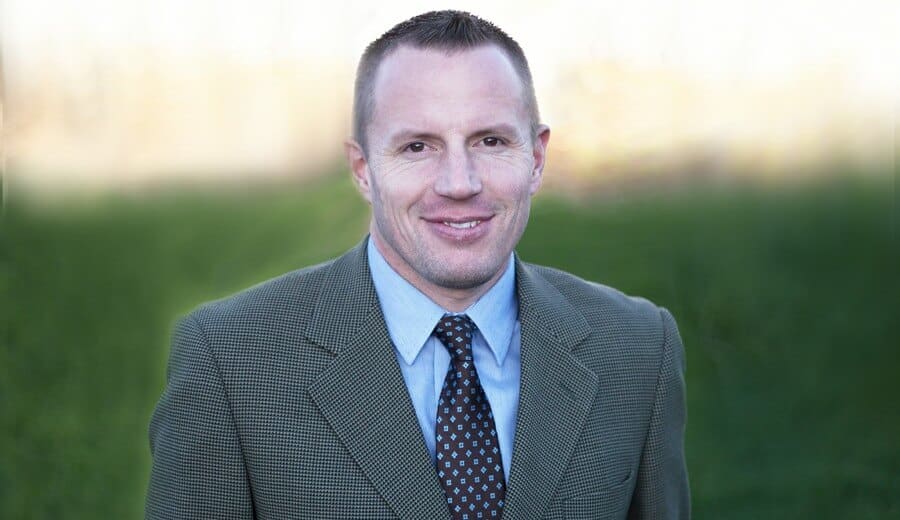
When the insurer will not budge, a lawyer levels the playing field. A local personal injury lawyer Utah knows how adjusters think and what judges expect in this state. Chris Cockayne and his team at Cockayne Law focus on auto crashes and injury claims. 

They collect missing records, speak with treating doctors, preserve evidence, and handle all contact with the insurer. A lawyer can ask for the full claim file, point out legal errors in the denial, and prepare a case for court if needed. 

Many firms work on contingency, meaning you pay only if they recover money for you. That removes pressure to accept a low offer out of fear of bills. A lawyer will tell you if you should file a complaint with the Utah Insurance Department and if the matter should go to court if the insurance company utilized unfair methods.

Conclusion

Just because your claim was denied doesn’t mean you’ve lost it. Read the refusal carefully. Collect some proofs that are missing. Then follow the steps the insurer gives you to appeal. Keep a comprehensive timeline, medical records, bills, and pictures. Check Utah’s four-year rule for most injury cases to be sure you meet your deadlines. Don’t wait for fees to mount up. If the insurance company says you committed fraud or won’t give you a fair evaluation, submit a complaint with the Utah Insurance Department and think about getting legal counsel. 


FAQ - Frequently Asked Questions

Why was my claim for insurance turned down?


Insurance companies turn down claims for missing forms, late reports, gaps in care, coverage limits, or disagreements over who caused the incident. Begin by reading the denial and getting the records that the insurance company says it requires.

The Utah state code says that you have four years from the date of the crash to file a lawsuit for most vehicle crash injuries. Talk to a lawyer about any exclusions and the specific time.

Yes. Photos or posts that show activity contrary to your injury statements can be used by adjusters to deny or reduce payment. Avoid posting about your injury or activities while a claim is open.

Write down your symptoms and how your life altered in a short journal every day. Combine this with medical notes, therapist reports, and statements from family about your limits. Organized evidence helps show nonmedical losses.

How Much Does Car Insurance Go Up After an Accident in Utah?

Car Insurance & Settlements

Car insurance after an accident can become confusing fast, and a crash can hurt more than your car. It can raise your premium and strain your budget right when you are juggling medical bills, time off work, and repairs. Utah drivers ask one simple question after the smoke clears. 

How much will my rate go up? Or how much longer? 

How much car insurance goes up after an accident is one of the first questions Utah drivers ask after the smoke clears. The short answer is that an at-fault claim usually triggers a sizable surcharge. It can follow you for several years. The long answer depends on your driving record, claim size, and your company’s rules. 

A personal injury lawyer Provo residents trust can also help you understand how fault and payouts tie into that premium jump. This guide breaks it down in simple terms so you know what to expect and what you can do next. 

Key Things You Should Know

  • Premiums often rise sharply after fault crashes.
  • Surcharges usually last three to five years.
  • Claim size and injuries can increase the surcharge.
  • Utah uses no-fault medical benefits called PIP.
  • Rental coverage pays only within policy limits.
  • Most physical injury settlements are not taxed.
  • Timelines for settlements vary by case complexity.
  • Shopping quotes can cut a post-claim premium.

How much does car insurance go up after an accident in Utah?

What most drivers see

For many drivers, a single at-fault accident leads to an average increase of around the mid-double digits. Several national analyses place the typical jump near 45%, though results vary by company and state rules. 

Your own number depends on the severity of the claim, whether injuries were involved, and your prior record. Accidents usually influence rates for three to five years, then the surcharge drops off if you stay claim-free. 

What changes your result

  • Bigger claims tend to bring bigger surcharges.
  • Injury claims and property damage together can push the increase higher.
  • Prior tickets, recent claims, or teen drivers on the policy can add to the jump.
  • Some companies offer accident forgiveness for a first crash if you qualify before the loss.

Utah angle

Utah drivers carry personal injury protection, known as PIP. It pays initial medical costs regardless of fault. Medical payouts can still affect total claim cost and may influence how an insurer prices future risk. 

Why did my car insurance go up without an accident?

It feels unfair, but there are reasons

Rates can rise even when you did nothing wrong on the road. Insurers price risk by looking at many data points. If repair costs in your area rise, theft claims spike, or insurance for minor accidents becomes more common in your area, changes to your credit tier, a move to a higher risk ZIP code, adding a driver, or raising your annual mileage can also nudge rates higher. 

How long will insurance pay for a rental car after an accident?

Only if you bought rental reimbursement

Payment for a rental car comes from an optional add-on called rental reimbursement. It is not part of a basic policy. When you have it, your insurer pays while your car is in a covered repair, but only up to a daily limit and a total cap, for example, 30 dollars per day up to $900 per claim. 

Coverage stops when you hit either limit, when repairs finish, or when a total loss settlement is issued. If your car is declared a total loss, expect the rental to end shortly after the offer letter goes out. Check your declarations page for your exact limits.

Smart tips

  • Ask your shop for a realistic repair timeline on day one.
  • If parts are backordered, tell your adjuster early.
  • If you carry a credit card with primary rental benefits, ask if it can fill any gap.

How long does a car accident settlement take in Utah?

Some Utah claims settle in a few months, while others show why a car accident settlement is taking so long and can stretch beyond a year. The pace depends on medical healing, liability disputes, policy limits, and insurance claim timelines, as well as court schedules. Most lawyers wait until treatment stabilizes before discussing final numbers so future care is considered. If the fault is clear, injuries are modest, and records arrive on time, settlement can move faster. 

If fault is contested or insurance company investigations are ongoing, or injuries are serious, expect a longer path, sometimes with a lawsuit filed to protect your rights while talks continue. Local guidance from a car accident attorney West Valley City helps set realistic timelines for your case.

Is a car accident settlement taxable?

Money for personal physical injuries or sickness is usually not taxed at the federal level. That includes payouts for medical bills and even lost wages tied to the injury. Parts of a settlement can be taxed when they fall outside those rules, such as punitive damages or interest on the settlement. 

Have you previously deducted medical bills? If yes, then got reimbursed for those same expenses, that portion can be taxed. Keep a copy of your settlement breakdown. And talk with a tax pro for your specific situation. A car accident Utah lawyer can also explain how the categories work before you sign.

Utah’s no-fault basics and how they affect your bill

What PIP does for you

Utah requires personal injury protection on auto policies. The minimum medical benefit is $3,000 per person. PIP shows how car insurance pays for medical bills early, regardless of fault, so treatment is not delayed. If your medical costs pass a legal threshold or you suffer certain injuries, you may bring a claim against the at-fault driver for the rest. Your own insurer is still allowed to raise your premiums after an at-fault loss despite these rules. Having a thorough understanding of PIP (Personal Injury Protection), liability, and property insurance helps you decide how to file a car insurance claim after a collision.

Why does this matter for rates

Bigger medical settlements can lead to a larger total loss figure. Insurers use claim history to model future risk. It can influence renewal pricing. Good driving, going forward, and smart shopping can help offset that effect over time.

Steps to cut your premium after a claim

You have options

Even with a surcharge, you can bring costs down. First, get quotes from at least three carriers when your policy renews. Ask about safe driver programs that use a phone app or plug-in device. Raise deductibles to a level you can afford. Check for discounts you might be missing. They can be multi-policy, good student, or vehicle safety features. Keep claims and tickets off your record for several years to let the surcharge expire. If your current company offers accident forgiveness and you qualify, ask how it applies next term.

Checklist for quick reference

  • Compare quotes at renewal.
  • Ask about discounts.
  • Right-sized premiums and coverages.
  • Review all discount options.
  • Drive ticket-free to let surcharges age out.

How can a car accident lawyer help car accident injury

A quick word before you call

After a crash, most people want two things. Fair pay for their losses and a path that feels simple. A lawyer who handles Utah crashes daily can lift the paperwork off your plate, line up benefits like PIP and rental, and push for full pay from all policies. 

Chris Cockayne and the team at Cockayne Law

Cockayne Law is known for clear counsel and steady contact. Chris Cockayne and his team help Utah families sort out medical bills, lost income, and car repairs after a wreck. They gather records, speak with witnesses, and help with negotiating car accident settlements.

They also look for all available coverage, which can include the other driver’s policy and your own uninsured and underinsured motorist coverage. If talks stall, they are ready to file and keep the case moving. People choose them for straight answers, prompt updates, and a plan that fits real life. 

If you want to understand your options before dealing with insurance adjusters or speaking with one, a free call with a car accident Utah lawyer at Cockayne Law is a smart first step. Many Utah families also compare plans with Utah car accident attorneys to be sure they are not leaving money on the table.


Faq - Frequently Asked Questions

How long will an accident affect my Utah auto insurance?


Most insurers rate accidents for 3 to 5 years. The exact period depends on the company and the type of claim. If you stay claim-free then the surcharge usually falls off when that window closes. Check your renewal for details and shop rates when it does.

Sometimes. Some companies raise rates after any claim, even if not at fault. Others do not. If you used a rental or filed a small claim on your own policy, that can still influence pricing. Ask your agent. Then compare quotes to see if another carrier treats it better. 

Industrywide costs can push rates up. Rising parts and labor, severe weather, area theft trends, and higher medical bills play a role. Personal changes like a move, a new driver, or higher annual miles can also raise risk. Review your policy and shop if needed. 

Several recent reports show an average increase near 45%. Although, your number can be lower or higher based on the claim and company rules. Expect the surcharge to last several years, then fade if you stay claim-free.

Only if you bought rental reimbursement. It pays while your car is in covered repairs, up to daily and total limits listed on your policy. It usually ends when repairs finish or a total loss offer is made. Check your declarations page.

Talking to Insurance Adjusters After a Utah Crash: A Lawyer’s Guide

After a Utah crash, stick to facts, not guesses. You can refuse a recorded statement to the other insurer, use your PIP benefits first, and send bills to your own carrier. Keep a pain log, save car accident evidence, and call a lawyer early.

If an adjuster is calling, you already have a lot on your plate. Your car needs work. Your body hurts. Bills start to arrive. The words you choose in these first calls can change your claim. This guide explains how to talk with adjusters in easy-to-understand language, how Utah’s rules affect you, and what to say when you feel pressed. You will learn the basics of Utah no-fault and uninsured and underinsured motorist coverage, deadlines that matter, and simple scripts that calm hard calls. 

If you want hands-on help from a personal injury lawyer Utah, you will also see how a lawyer takes over these talks so you can focus on healing. 

Key Points You Should Know

  • Keep answers short and only about facts
  • Do not guess or accept blame
  • You can refuse recorded statements
  • Send bills to your own PIP first
  • Utah uses a 50% fault bar
  • Watch the four-year injury deadline
  • Photos and medical notes raise value
  • Never sign broad medical releases
  • Track symptoms and missed work
  • Get legal help before big decisions

What does an insurance adjuster really do after a crash?

Car insurance after an accident is one of the most critical phases. Adjusters are trained to gather facts, judge fault, and set a dollar value on losses. They read Utah car accident police reports, talk to drivers and car accident witnesses, and check vehicle damage. Their job is to look up to car insurance and settlements for the company. That means they look for clear facts, and they also look for reasons to pay less. Knowing this keeps your calls calm and focused.

What do they listen for?

Adjusters listen for statements about speed, distraction, past injuries, or gaps in care. A casual “I’m fine” can be employed to refute the notion that you sustained an injury. A guess like “I might have looked away” can shift the fault. Share only what you know for sure. If you do not know, say, “I am still gathering information.”

Your rights in the call

You must be honest, but you do not have to guess. You can offer a summary, provide the claim number, and confirm where the car is. You can also decline to give a recorded statement to the other driver’s insurer and suggest emailing facts like the repair shop or treating clinic. Utah is a one-party consent state, but you still choose whether to be recorded by the other insurer. Keep it short, keep it true, and keep notes after every call.

Your first calls after a crash: words that protect you

Call your own insurer and use PIP first

Utah is a no fault state for medical bills at the start. Your policy includes personal injury protection, often called PIP. It pays at least the first $3,000 of reasonable medical costs, plus limited wage loss and household help. Report the crash to your insurer and send your bills there first. This keeps treatment moving.

Simple script for the other insurer

You can be polite and brief.

  • “I can confirm my name, date, and location.”
  • “I am getting medical care and will share records later.”
  • “I am not giving a recorded statement at this time.”
  • “Please email your questions so I can answer carefully.”

Do not do these in that first week

Do not guess about speed. Do not say you are fine if you are hurt. Do not share social media posts about the crash. Do not accept a quick check without knowing your full medical picture. A short call protects you more than a long one. If you want backup, a car accident attorney Utah can take these calls for you.

Recorded statements and blanket medical releases: set clear boundaries

Recorded statements

You must cooperate with your own insurer under your policy, which can include a recorded statement. You are not required to give a recorded statement to the at-fault driver’s insurer. If asked, you can refuse calmly and say you will share written facts after you speak with counsel. 

Medical releases

Insurers often send broad medical release forms. Do not sign a release that lets them pull years of unrelated records. It is fair for them to see the bills and notes related to the crash. Ask for a limited release that covers only the injury and only from the date of the crash forward. This keeps the talk about today’s injuries, not old issues.

Why does this matter?

A recorded statement can lock you into early guesses before your doctor has a full picture. A broad release can lead to arguments about old aches that have nothing to do with the wreck. If you are in an uncertain condition, pause and speak with a lawyer first.

Utah rules that shape your claim

No fault basics, and when you can step outside

Utah’s no-fault system uses PIP to pay for early medical care. The law sets minimum benefits. These benefits include at least $3,000 for medical bills, wage loss up to the lesser of $250 per week or 85 percent for 52 weeks, household services up to $20 per day, and a funeral up to $1,500 plus a $3,000 death benefit. 

You can also bring a claim against the at-fault driver for pain and suffering when your medical bills reach at least $3,000. Or when injuries meet listed serious injury thresholds, such as permanent disfigurement or a fractured bone.

Fault rule

In Utah, a modified comparative fault rule is applied to all residents. You can recover if you are at fault for 49% or less. If you reach 50%, you will be unable to seek compensation for your injuries from the other party. Your payout is lowered by your share of the fault.

Deadlines

In the majority of injury cases, the statute of limitations for filing a lawsuit is four years. Claims for property damage frequently have a three-year time limit. Claims that involve a state or local agency have special rules. A notice of claim must be filed within one year, so act fast if a city truck or school bus was involved.

Low offers, delays, and how to push back

Spot the common tactics

Early low checks, requests for old records, gaps in contact, and even denied car accident claims can slow your case. Do not take the first number if your care is not done. Wait until you understand your diagnosis, bills, and whether you will require future care.

Build leverage with proof

Keep a running folder that holds the police report, data about insurance company investigations, photos from the scene, body shop estimates, medical notes, bills, and a simple pain and activity log. Save pay stubs and letters from work that show missed time. Solid proof is how fair offers happen.

Talk about money in a clear way

When you are ready, begin negotiating car accident settlements by sending a written demand with a clean list of losses. If you meet Utah’s threshold, you may seek car accident compensation for medical expenses, estimated future care, lost wages, property damage, and pain and suffering.

Explain the fault facts in short bullets. Give a reply date. Stay polite. If the response is a stall or a small bump, consider bringing in a personal injury attorney who knows the local carriers and courts. They can push for mediation or file suit before Utah’s personal injury statute of limitations

Hire the Best Personal Injury Lawyer in Utah

After a wreck, your energy should go to your health, not to tense calls with an insurer. That is where Chris Cockayne and the team at Cockayne Law come in. They deal with adjusters every day. They set clear ground rules, gather key proof, and build a claim that shows the full harm. 

Here’s what process they follow in practice. They start with a free case review and map out the next steps. They open claims with every insurer that may pay. They route bills to PIP so treatment stays on track. They order the police report, body cam, if needed, and scene photos. 

They get written opinions from your doctor about diagnosis, limits, and future care when it is time. If fault is disputed, they pull phone records or video or hire a reconstruction expert when justified. When an offer is light, they negotiate with facts, not noise.

If you want a steady hand from a personal injury firm, Cockayne Law can step in, so calls go to them, not to you. Their goal is simple. Protect your rights, get fair money on the table, and let yourself focus on getting better.

Conclusion

You do not need to outtalk an adjuster. You need to protect yourself. Keep your answers short and true. Use PIP for early care. Say no to broad releases and to recorded statements with the other insurer. Watch Utah’s faults and time rules. 

When the paperwork and calls feel heavy, let a lawyer carry that load. Whether you handle it alone or with help, steady steps and good records make the biggest difference. 

FAQ -Frequently Asked Questions

What does Utah’s no fault PIP pay for?


At least $3,000 in medical bills, limited wage loss up to the lesser of $250 per week or 85 percent for 52 weeks, household services up to $20 per day, and a funeral up to $1,500 plus a $3,000 death benefit.

You can pursue it when your medical bills reach at least $3,000 or you suffer a listed serious injury like a fractured bone, permanent disfigurement, or other serious harm. Then you can seek it from the at-fault driver.

Yes. See a doctor and follow the plan. Early notes link your pain to the crash. Gaps in care give the insurer a reason to argue your injuries came later.

Call early if injuries are more than minor, if fault is disputed, or if a quick offer arrives. A personal injury attorney in Utah can deal with adjusters, protect deadlines, and work to raise the final number.

What To Expect During an Insurance Company Investigation After a Car Accident?

When a crash occurs, insurers verify facts, review police and medical records, inspect vehicles, ask for statements, and check Utah’s no-fault rules. They compare fault, PIP payments, and damages, then make an offer or denial within legal time frames. Protect yourself with counsel.

If you were hit on Utah roads, dealing with insurance adjusters is often the next challenge after the crash. Their job is to gather facts fast, measure fault, review your medical care, and control what they pay. Getting healthy, protecting your rights, and maintaining fairness are all your responsibilities. 

Understanding car insurance after an accident in Utah is important because it is a no-fault state for medical bills at the start, which adds a few rules you should know before speaking with any insurer. This guide walks you through each step, from the first phone call to the last offer, with plain talk about Utah law and timelines. When questions pop up, a trusted advisor can help you avoid mistakes that cut your recovery.

Key Takeaways:

  • Adjusters work to limit what they pay
  • Your PIP pays first in Utah
  • Do not guess or speculate in statements
  • Give only accident-related record access
  • Repairs must follow fair estimate rules
  • Fault below 50% still allows pay
  • Missed deadlines can sink strong claims
  • Talk to a lawyer before you sign

First 48 Hours After You Report: What Really Happens?

Once you file a car insurance claim, the insurer assigns an adjuster who logs your report, checks coverage, and starts a basic timeline. If you are filing against the other driver, remember you have no contract with that company. Their duty is to their policyholder, not you. 

Utah’s Insurance Code also requires the timely payment of valid claims and allows the Insurance Department to set rules for proof and time standards. These rules are meant to prevent open-ended delays, though the exact days depend on the type of benefit and the facts of your file. 

Expect these first requests: a recorded or written statement, photos, the police report number, and basic medical details. It is also likely that the adjuster will ask you to have your vehicle inspected or sent to a preferred shop for an estimate. 

  • If you filed a first-party claim under your own policy, you have a duty to cooperate. 
  • If it is a third-party claim, you can slow down and speak with counsel first. 

Utah’s own consumer page explains the difference between first-party and third-party claims so you understand who owes what to whom. Take your time, answer facts only, and avoid guessing. It is fine to say you will follow up after you check your notes.

The Proof Adjusters Gather and Why It Matters?

Adjusters confirm what happened, even in cases involving insurance for minor accidents. Key proof includes Utah car accident police reports, scene photos, car accident evidence, your statement, and the damage pattern on both cars. Officers must send crash reports to the state within 10 days after completing their investigation for qualifying crashes. 

A driver involved in a collision with injuries, death, or property damage greater than $2,500 may also be required to file a report with the Department of Public Safety. That paper trail feeds directly into the insurer’s fault review. 

They often compare your vehicle’s damage with your version of events and may pull repair estimates, medical charts, and billing codes to see if the treatment lines up with the crash. Some adjusters request phone logs, prior claims history, or to peek at public social media to test your story. Make sure you stay consistent. 

Utah No Fault Rules: PIP, Medical Bills, and When You Can Sue?

Utah is a no-fault state for the first layer of medical bills. Your Personal Injury Protection benefits show how car insurance pays for medical bills and initial care, no matter who caused the crash. Minimum PIP includes at least $3,000 in medical benefits per person. It also includes income loss at 85 percent up to $250 per week for up to 52 weeks, plus other listed benefits. If a PIP bill is not paid within 30 days after the insurer receives reasonable proof, it becomes overdue, and interest can apply.

You may bring a claim for pain and suffering against the at-fault driver after you meet Utah’s injury threshold. You meet the threshold if your reasonable medical expenses are at least $3,000 or you suffered certain serious harms such as permanent disfigurement, dismemberment, permanent disability, or death. 

Meeting this threshold opens the door to seeking full damages from the person who caused the crash or through uninsured and underinsured motorist coverage when applicable. The statute spells out both the threshold and the overdue-payment rule, which help keep treatment moving and protect your right to recover.

Tip: Before you speak with any adjuster, a car accident attorney Salt Lake City drivers trust can spot threshold issues early.

Statements, Medical Authorizations, and Your Privacy

Adjusters often ask for a recorded statement. According to Utah law, you do not have to provide the other driver’s insurer with a recorded statement. Your own policy may require reasonable cooperation, but you still get to set fair limits and prepare. 

There are differences between rights and duties between first-party claims and third-party claims, according to Utah’s consumer guide. That means you can pause, ask for the questions in writing, or have a lawyer join you. It is recommended by many attorneys that you do not give a recorded statement to the other insurance company at all.

You may also receive a broad medical release. Do not sign a form that opens your entire history. Limit it to accident-related records and a sensible time window. You can send records yourself to keep control of what is shared. If your PIP insurer asks for an independent medical exam, that request usually comes from the policy language and Utah’s PIP rules. 

Show up on time, be honest, and keep notes about the visit. If the adjuster requests an examination under oath, get legal help first. A short consultation with a truck accident lawyer Utah before any of these steps can prevent avoidable mistakes.

Vehicle Damage Reviews and Repair Choices Under Utah Rules

For property damage, the insurer will inspect your vehicle, write an estimate, and may suggest shops. If the insurer prepares or approves an estimate, Utah rules require that estimate to reasonably reflect the cost to repair the damage. You are entitled to a copy. The insurer may list convenient repair shops, but the choice of where to repair is yours.

Utah law also limits how insurers and shops handle non-OEM aftermarket parts. An insurer cannot specify non-OEM crash parts without giving written notice that the parts were not made by the vehicle maker. Repair facilities must also give written notice before installing those parts.

Non-OEM parts must be marked by the manufacturer and identified on the estimate when practicable. These rules promote informed choices and help ensure parts fit and perform as expected. If a dispute arises over the repair scope, get the estimate in writing, take clear photos, and ask for a re-inspection. You can also request that the insurer explain any price cuts line by line.

How Long Do Investigations Take and What Deadlines Matter?

Timing depends on the benefit and the applicable insurance claim timelines. The insurer becomes liable for overdue payments if the insurance company fails to pay the claim within 30 days after receiving reasonable proof. Interest can apply to late PIP payments. Utah’s general claim practices law also requires the timely payment of valid claims and allows the Insurance Department to set standards. For certain health and income replacement claims, rules provide decision windows and notice duties so claimants are not left waiting without updates. 

Other key dates: most injury lawsuits from car crashes in Utah must be filed within four years of the accident date, though some claims have shorter limits. In the case of a qualifying crash, officers must submit their reports within 10 days, and the state can require drivers to submit their reports within 10 days if injuries occur or if $2,500 in property damage is involved. 

Do not cut it close. An accident lawyer in Utah can push for answers if delays persist or requests seem unfair. They can also help you fight denied car accident claims or file a complaint with the Utah Insurance Department.

Hire the Finest Car Accident Injury Lawyer in Utah

When an insurance company starts asking for statements, broad authorizations, or a medical exam, you want a steady guide. Attorney Chris Cockayne and the team at Cockayne Law have built a practice focused on real people hurt in traffic crashes across the state. They know the playbook adjusters use and the local rules that govern PIP, parts, and prompt pay. They answer your questions in plain talk, set a plan for medical records, and stand with you on calls so nothing is taken out of context.

Your health and claim are their first priorities from the moment you hire them. They gather police reports fast, lock in witness notes, and line up the right experts when needed. If the insurer schedules an exam or an examination under oath, they prepare you step by step. If the offer is light, they help with negotiating car accident settlements and show the proof that moves numbers. When you need a car accident lawyer in Utah who treats you like family, reach out and learn how the process works. If you prefer, ask for a quick review before you give any statement. 

Final Thoughts

Insurance investigations are built on facts, timelines, and rules. Your part is to get care, keep records, and share only what is needed. Utah’s no-fault system pays early medical bills, but understanding car insurance and settlements shapes the rest of your claim. Move with care, answer truthfully, and protect your privacy. If something feels rushed or confusing, pause and get advice from a personal injury lawyer Weber residents can trust. The time you will save by speaking with a trusted car accident advocate can also help you understand how much car insurance goes up after an accident.


FAQ - Frequently Asked Questions

What bills does Utah PIP pay after a crash?


At minimum, PIP pays at least $3,000 per person for medical care. It may also cover a portion of lost income and some household services and funeral costs, as listed in the statute.

You can pursue these damages after you reach $3,000 in reasonable medical expenses or if you suffered serious listed injuries like disfigurement, disability, or death in the family.

Not without written notice. Utah law requires disclosure before an insurer specifies non-OEM crash parts, and shops must disclose before installing them.

You do. If the insurer writes or approves an estimate, it must give you a copy. It can suggest shops, but the choice remains yours under Utah rules.

If you do not have more than 50% of the fault, then you can be compensated. Your recovery is reduced by your share. At 50% or more, you recover nothing.

Law enforcement files crash reports within 10 days for qualifying crashes. The state can require drivers to file a report when there is injury, death, or $2,500 or more in damage.

Utah law requires timely handling of valid claims. For health and income benefits, rules set decision windows and notice duties. Keep all letters and ask for updates in writing. Consider help from a car accident attorney in Utah if delays persist. 

What You Need to Know About Uninsured & Underinsured Motorist Coverage in Utah?

If a driver hits you in Utah and has no insurance or too little, your own policy can still protect you. A common way to meet these needs is through uninsured motorist and underinsured motorist coverage, often called UM and UIM. One of the biggest mistakes I see Utah drivers make is declining UM/UIM coverage to save a few dollars—only to face devastating gaps after a serious crash.

In the event that the other driver falls into financial difficulty, these coverages will cover the cost of medical care, wages, and pain and suffering. Due to Utah car accident laws and Utah’s no-fault insurance policy, most people begin with personal injury protection. Then, if your injuries are serious or your bills pass a set dollar amount, you can make a claim against the at-fault driver and, when needed, your UM or UIM. 

An auto car accident attorney SLC can explain how these parts work together and protect your rights from day one and explain car insurance after an accident. In the guide below, you will see how UM and UIM work in Utah. Also, what limits make sense, how hit-and-run claims are handled, and what deadlines and steps matter most.

Key Takeaways:

  • Utah policies include UM and UIM unless waived. 
  • No-fault PIP minimum medical is $3,000.
  • Threshold injuries allow claims beyond PIP.
  • New liability minimums rose in 2025.
  • UM can cover hit-and-run events.
  • No contact hit-and-run needs strong proof.
  • Stacking is limited under Utah law. 
  • UM and UIM lawsuits have 4-year limits.
  • Arbitration is an option for many claims.
  • UIM timing ties to the last liability payment.

(Source: Motor Vehicle Insurance Utah)

What Uninsured Motorist Coverage Means in Utah?

A driver who is at fault for an accident but does not have liability insurance is covered by uninsured motorist coverage. In Utah, UM is built into auto policies unless you reject it in writing. Covered people include you, your family, and passengers. 

UM can pay for medical care, lost income, and pain and suffering if a driver without insurance causes the crash. It can also apply when you are a pedestrian or a bicyclist struck by a motor vehicle. These protections help when a driver breaks the law by not carrying insurance, or when a hit-and-run makes it hard to recover from anyone else’s policy. 

Utah’s insurance code places UM into the core parts of a policy unless you sign a waiver, so most drivers carry it without noticing the fine print. Keeping UM on your policy is one of the lowest-cost choices that can make a major difference after a serious crash. 

It is your safety net when the other side has nothing. 

What Underinsured Motorist Coverage Does for You?

In cases where the at-fault driver’s liability limit is insufficient, underinsured motorist coverage helps fill the gap. Say your losses are higher than the other driver’s policy. Once the other driver’s policy pays out, you may still wonder how much car insurance goes up after an accident when filing future claims.

Utah policy forms usually set UIM equal to your liability limit unless you choose a lower amount or reject it in writing. Many people never adjust to it, but it is wise to pick a limit that matches the real cost of a hospital stay and time off work. UIM has rules on how it fits with other coverages, so there is no double recovery. 

The goal is to make you whole within the combined limits, not to pay the same dollar twice. A seasoned car accident lawyer in Utah will often help you time the UIM claim, coordinate car insurance and settlements, and protect your right to seek the balance from your own insurer.

Coordination rules that matter

Utah sets order of coverage and bans most interpolicy stacking. The coverage on the car you occupied is primary, and certain household policies can be secondary, but stacking beyond what the law allows is restricted. This makes early planning important so you use the right policy first. 

Utah No-Fault Rules: PIP and When You Can Claim More

Utah uses no-fault insurance, called personal injury protection. Every standard auto policy must include at least $3,000 in medical PIP benefits per person, with added wage loss and household help benefits available under the statute. PIP pays quickly without proving fault, which is part of how car insurance pays for medical bills.

Depending on the circumstances, you may be entitled to compensation from the at-fault driver. Having more than 3,000 dollars in medical expenses, being permanently disabled, disfigured, or having suffered a fracture is possible. 

In these cases, you can file a liability claim. And if the driver does not have insurance or does not have enough insurance, you can file a UM or UIM claim. 

What Are Minimums and Recommended Limits in 2025 and Beyond?

Taking effect on January 1, 2025, the Utah government has increased its minimum liability limits to:

  • $30,000 per person
  • $65,000 per accident
  • $25,000 for property damage

Utah requires minimum liability limits of $30,000 per person and $65,000 per accident, which is often insufficient in serious injury claims. The new minimums must be met by policies written after that date, as well as policies renewed after that date. 

Your UM and UIM options are tied to your liability limits unless you sign a waiver or pick less. In plain terms, if you set higher liability, you can match your UM and UIM to those higher numbers. 

That is often smart because hospital care, imaging, and follow-up therapy add up fast. Talk with a car accident attorney in Utah about setting uninsured & underinsured motorist coverage at least equal to your liability. And consider higher limits if you can afford the small premium bump. 

While the law sets the property damage limit at $25,000, according to a NewsRoom report, many Utah households find this doesn’t cover the cost of a modern vehicle. 

One serious multi-car crash can exhaust that minimum in seconds, leaving you personally liable for the rest. Buying protection beyond these state minimums is often just a small premium bump for massive peace of mind.

A word on waivers

Insurers must offer UM and UIM. To lower or reject them, you must sign an acknowledgment. Keep a copy. If you never signed a waiver, your policy should include these coverages by default under Utah law. 

Hit-and-Run Claims: Proof You Need in Utah

Even in smaller crashes requiring insurance for minor accidents, coverage disputes can happen. UM can cover injuries from a driver who flees. If there was contact between the vehicles, the proof is usually straightforward. 

If there was no physical contact, Utah has a special rule. You must show the existence of the phantom vehicle by clear and convincing evidence that is more than your own testimony. 

Independent proof can include a witness, video, debris, or other physical signs. This rule exists to stop fraud, but it also means you should act fast to gather proof. Call the police right away, get names and numbers for any witnesses, save your dashcam video, and photograph damage and skid marks. 

Your insurer will ask for these items during the UM review, so be careful when dealing with insurance adjusters. If the company still disputes liability after an insurance company investigation, Utah’s UM procedures let you push the claim ahead by arbitration or suit. 

Filing a Uninsured & Underinsured Motorist Claim: Steps, Timing, Arbitration

Start with medical care and learn how to report a car accident. Report the crash to the police and your insurer. Tell your company you may have a UM or UIM claim when filing a car insurance claim. Share medical records and bills, proof of wage loss, and any photos and videos. 

For UM, you can demand payment once liability and damages are clear, then choose arbitration or court if you cannot agree on the value. For UIM, you usually begin by negotiating car accident settlements with the at-fault driver’s insurer first.

Utah gives you four years to bring a UM lawsuit after the inception of loss. It also gives four years for UIM, but the clock starts on the date of the last liability settlement check, which can be later than the crash date. 

Many policies allow or require arbitration. Utah law spells out arbitration rules, discovery, and cost sharing. Filing for arbitration on time counts as filing for the statute of limitations, which helps protect your claim. A local personal injury lawyer Kearns can guide these steps and avoid timing mistakes. 

Stacking and coordination

Utah limits interpolicy stacking. The policy on the car you occupied is primary. Household policies may be secondary, within statutory limits. The law also bars most setoffs against workers’ compensation and allows health insurers to recover only after you are made whole and only for medical and funeral costs. These rules aim for fair pay without double recovery. 

Hire the Top-Rated Car Accident Attorney in Utah – Chris Cockayne

When your case involves UM or UIM, strategy matters. Settlements, deadlines, and policy language must all line up the right way. Chris Cockayne and his team at Cockayne Law focus on injury claims for Utah families. 

They listen, explain your options in plain words, and move fast to protect the claim. The firm builds cases with medical proof, wage records, and witness statements. They also know how to handle disputes over hit-and-run proof, limits, and arbitration. 

If the other driver’s insurance is not enough, they press your UIM claim at the right insurance timeline so you do not miss the window. If you prefer, they can use arbitration to speed things up and hold costs down. 

If you need a car accident attorney in Utah who is practical and steady, they are ready to help. You can also ask the team what UM and UIM limits fit your budget, so you are safer before the next drive.

Final Thoughts

UM and UIM are quiet parts of your auto policy that carry real power after a crash. They help when the other driver has no coverage or not enough. Utah’s rules on no-fault, thresholds, proof, stacking, and deadlines shape how and when you can recover. 

Keep UM and UIM on your policy, match them to your liability limits, and strongly consider higher limits if you can. If questions come up, a car accident in Utah can spot the best path and protect you from avoidable delays.

FAQ - Frequently Asked Questions

Do I have UM and UIM by default in Utah?


Yes, Utah policies include UM and UIM unless you reject them in writing. Ask your agent for your signed forms if you are not sure you ever waived them.

At least $3,000 per person in medical benefits, with other statutory benefits also outlined in the law. PIP pays first, regardless of fault, to get you treated.

No. The threshold rule does not apply to uninsured motorist claims. You can pursue non-economic damages under UM without meeting the threshold.

Utah restricts interpolicy stacking. The coverage on the car you were in is primary. You may reach one other policy in limited cases, but broad stacking is barred.

Yes. Utah law lets claimants elect binding arbitration or go to court. Arbitration has set rules for discovery, fees, and timing, and filing it preserves your deadline.

Teen Driver Car Accidents: Risks, Rights, and Real Help for Utah Families

No parent wants that late-night call. Yet teen crashes are common, and even a “minor” wreck can change a family’s week or year. You need clear steps, not scare tactics. This guide explains why new drivers face higher risk, what actually causes most teen crashes, how injuries affect school and home life, and how to handle insurance from day one. 

You will also see Utah specific rules for young drivers, including passenger limits, phone use, and nighttime driving. If the crash involves injuries, you will learn when a lawyer can help, what fees look like, and how claims really move forward.

Key Info You Should Know

  • Teens crash more per mile than adults.
  • Night driving multiplies risk quickly.
  • Friends in the car raise crash odds.
  • Phones and push alerts wreck focus.
  • Utah limits passengers and late hours.
  • See a doctor after any impact.
  • Save photos, reports, and bills.
  • Keep insurance talks short and factual.

Why do teen drivers face higher crash risks?

The experience gap

New drivers have not logged enough hours to read traffic the way older drivers do. They miss subtle cues, like a vehicle drifting inside a lane or a brake light two cars ahead. National safety data shows teens crash far more often per mile than adults, and the risk spikes at night. The Insurance Institute for Highway Safety reports teen crash and death rates per mile that are several times higher than older drivers, with nighttime risk especially high. That pattern holds year after year.

Night and low light

Headlights shorten what drivers can see and slow reaction time. Teens are still building hazard detection skills, so darkness makes judgment calls tougher. The CDC also notes teen fatal crash rates at night are several times higher than adults. Weekends add risk as traffic is faster and outings run late. 

Passengers and pressure

A car full of friends raises distraction. Even quiet laughter pulls eyes from the road for a second or two. The CDC has long noted that each additional teen passenger increases crash odds for an unsupervised teen driver. 

The phone problem

Alerts, playlists, and navigation add constant temptation. In real in-car video research of teen crashes, distraction showed up in a large share of serious incidents. That matches what many parents see every day. 

What helps now?

Practice often in short sessions. Adding rain, night, freeway, and city streets with a calm parent in the passenger seat is the perfect recipe for a ride. Ensure that your phone is kept in the glove compartment. Set clear limits on late driving and who rides along during the first months.

Common causes of teen driver crashes

Teenage drivers rarely get into crashes out of nowhere. Parents and experts usually know the patterns well already. It’s common for young drivers to end up in wrecks. 

Here are some common causes of teen driver car crashes.

  • Distraction: Texts, snaps, and group chats are top of the list reasons of distraction that lead to crashes. Even a quick glance can eat three or four seconds, which is enough to miss a sudden stop. Passenger chatter and reaching for items inside the car also rank high in teen crash videos. 
  • Speed and following too closely: Teens often misjudge distance. They tailgate without meaning to and do not leave a safety cushion. In traffic, one brake tap causes a chain reaction.
  • Night time blunders: Darkness hides pedestrians and cyclists. The fatigue sets in after practice, games, or late shifts. The CDC urges families to limit night driving during the first six months after licensing. 
  • Inexperience in bad weather: Rain, slush, and snow change everything. New drivers rarely feel how long it takes to stop on wet asphalt. Hydroplaning surprises them.
  • Gaps and right-of-way: Many teen crashes involve turning across traffic or misreading right-of-way at complex intersections. Extra practice on left turns and four-way stops helps.

Utah crash dashboards show injury and fatal data updated from police reports. The proportion of teens who are licensed drivers is overrepresented, which is in line with national trends. The state’s public dashboards provide families with information about trends for counties and types of roads.

Simple, proven steps parents can use to reduce teen car crash risk

To maintain a teen driving safety, parents play a greater role. It’s more than most people realize. As a parent, you can exert a lot of influence over how your teen drives. It includes the habits you set and the limits you enforce. You can make every trip safer by taking small and careful steps.

Follow these steps:

1 – Start with a written agreement

Put rules in plain words. No phone use while moving. Use seat belts on every trip. Obey limits for passengers and late-night driving. Share the reasons. Update the rules as your teen gains experience.

2 – Practice regularly

Short, focused drives build skill faster than one long trip. Mix in rain, dusk, night, and highway merges. Talk through what you see. Ask your teen to call out hazards as they appear.

3 – Use tech wisely

Many phones and vehicles offer drive mode to silence notifications. Some family plans let you block notifications while the car is moving. The goal is to remove temptation.

4 – Pick a safe vehicle

Heavier cars with strong crash ratings and modern safety tech protect new drivers. In addition to its safety ratings, IIHS publishes a list of affordable vehicles that are safe for teens. Check ratings before buying. 

Quick checklist:

  • No phone while the car is moving.
  • One friend at most until skills grow.
  • Home before 10 on school nights.
  • Buckle up, all seats, all trips.
  • Practice in the rain and after dark with a parent.
  • Review one dash-cam or traffic clip together each week and discuss.

Teen car crash legal timelines and why they matter in Utah

In many Utah injury cases, you generally have up to four years to file a lawsuit. Some claims have shorter periods, including claims against government entities and certain malpractice claims. 

Utah law looks at everyone’s share of blame. If your teen is less than 50% at fault, damages can still be recovered but reduced by that percentage. If the fault is 50% or more, recovery may be barred. This is why careful evidence collection matters.

Good documentation drives fair outcomes. Keep medical notes, imaging, therapy plans, and school letters. Save pay stubs showing lost time and any mileage to appointments.

If injuries are more than bumps and bruises, or if fault is in dispute, a short consultation with an experienced car accident lawyer can prevent avoidable mistakes. Bring your folder of records to make that consultation useful.

Hire the best car accident lawyer in Utah for teen crashes

In Utah, cases move through specific rules, forms, and deadlines. A local personal injury attorney knows the judges and claims adjusters. Also, he knows better what evidence tends to carry weight. It saves time and reduces back-and-forth with insurers.

What a good teen car accident lawyer actually does?

They review the police report, interview witnesses, gather camera footage, and work with doctors to understand both current and future care. They calculate lost time from work for a parent and school impacts for a teen. 

Contact Chris Cockayne and his team at Cockayne Law

Families who want straight talk often look for someone who explains things in easy to understand words. That is what clients say they like about Chris Cockayne and his team. They focus on clear next steps, quick updates, and realistic timelines. If a case can settle fairly, they negotiate hard. As part of preparation for trial, they prepare the teen and his or her family so there won’t be any surprises.

Final Thoughts

You cannot remove every risk from driving, but you can cut it down. Establish clear rules, keep phones out of reach, and practice often in real conditions. If a crash happens, focus on health first. Then document the scene, bills, and time away from school or work. Keep insurance calls short and factual. 

If injuries are serious or fault is disputed, talk with a car accident lawyer in Utah who knows how teen cases move in this state. Healing takes time, and the paper trail can feel heavy. Keep the lines open with your teen, and celebrate each safe mile.


FAQ - Frequently Asked Questions

Is a medical check needed if my teen feels fine? 


Yes. A concussion, whiplash, or internal injury may appear later. A same day or next day visit documents symptoms and guides care. Follow medical advice closely and save every discharge paper and prescription label.

Yes. Data shows teen fatal crash rates are several times higher at night compared to day. A parent should help with early curfews and practice after dark with their help. Keep weekend nights simple during the first months. 

There are narrow exceptions to the general rule that drivers under 18 cannot use a phone while driving. Distractions can occur even with hands-free technology. Best practice is to keep the phone out of reach until parked.

Many Utah personal injury cases allow up to four years, but some have shorter limits, especially claims against government entities or malpractice claims. Ask a lawyer how the timelines apply to your facts. 

Utah uses modified comparative fault. If your teen is less than 50% at fault, recovery can still be possible but reduced by that share. At 50% or more, recovery may be barred. Evidence and records matter a lot. 

A Complete Guide to Elderly Driver Car Accidents in Utah

An accident involving an older driver shakes a family. You want clear steps, not confusion. Older adults often drive safely for years, yet age brings small changes. A slower glance, […]

Hit and Run Car Accidents: What Drivers Need To Know?

A hit and run car crash can turn a normal day into a disaster in some time. The other driver speeds off, and you are left with pain, car damage, and questions. You need to know who will be paying for your medical bills. 

  • If you have a car problem, how do you fix it? 
  • Is there anything you need to do next? 

We provide you with step-by-step instructions for protecting your health, your claim, and your peace of mind. You will learn what to do right away, how insurance may work, and how proof is built when the at-fault driver is unknown. 

Furthermore, you will learn how a local legal team can help you in each step of the process. Therefore, you can focus on your priority task – healing.

Important Things You Should Know

  • Seek medical care, even for mild pain
  • Call the police and file a report
  • Write down every detail you remember
  • Look for cameras and dash cam footage.
  • Tell your insurer about the crash
  • Use your PIP and UM benefits
  • Save all bills, photos, and receipts
  • Do not give recorded statements early
  • Avoid social posts about your injuries
  • Talk to a trusted local attorney

What Is a Hit and Run Accident?

Usually, a hit and run happens when an insane driver causes a car crash and leaves immediately without stopping to give information or help. 

For example: 

In a parking lot, it can be a minor fender bender. It can be a serious collision on the highway. The state law demands drivers in both situations to stop. It requires sharing contact and insurance information and calling for help if someone is injured. There is a different kind of claim when the driver at fault drives away, since it is possible that the person at fault will never be found.

Why does it matter?

Without the other driver’s details, your claim may rely on your own coverage. Utah drivers often carry personal injury protection, called PIP, that can help with medical costs. Many policies also include uninsured motorist coverage. These benefits can keep your care and repairs moving while police work to identify the other vehicle.

How does a local car accident attorney help?

There can be a lot of confusion concerning deadlines, claims, and benefits. The right Utah car accident lawyer can explain what coverage applies. It is also possible to get their assistance with submitting your claim correctly. And protect you against mistakes that could harm your case in the future.

Insurance Paths For Hit and Run Victims

Utah drivers often have access to no-fault benefits known as PIP. In some cases, these benefits can assist in paying for early medical bills regardless of who is at fault. Your claim may also use uninsured motorist coverage when the other driver is unknown or has no insurance. Collision coverage can help with vehicle repairs minus your deductible. Health insurance can step in after auto benefits are used.

Timing matters

Report the crash to your insurer quickly. Some benefits have short notice rules. For medical visits, please save all receipts, bills, and mileage notes. Also, keep records of missed work and any out-of-pocket costs. They include medications, braces, or rides to appointments. You should also ask for a written explanation if you are facing delays or denials.

Why is legal help useful?

Coverage rules and offsets can get tricky. You do not want to sign forms that limit your rights. Talk with a car accident lawyer in Utah before you accept payment or close your claim. The right guidance helps you reach fair payment for medical care, car repairs, lost wages, and pain.

Building Proof When the Driver Fled

Proving a hit and run claim is about gathering facts fast and keeping them organized. Start with your photos, the police report number, and witness names. Save your medical records and follow your doctor’s plan. When you follow treatment, you protect your health and show the insurer that your injuries are real and linked to the crash.

Where does the proof come from?

Police may look for nearby cameras, license plate readers, and body shop leads. Your own dash cam footage or phone location data can add context. Store security video can vanish within days, so act quickly. If you work with a lawyer, the team can send letters to preserve video before it is erased. They can also interview witnesses in a careful way that holds up later.

Presenting your claim

Your demand should tie the facts to your losses. It should explain how the crash happened, what the medical records show, and how life changed for you at work and home. A car accident lawyer in Utah can send a clear, well-supported claim to the right insurer and handle the back and forth, so you are not worn down by paperwork.

What People Ask About Hit and Run Claims?

Many people wonder whether they can get paid if the other driver is never found. It depends on your policy. It could be through personal injury protection, uninsured motorist coverage, or collision coverage, depending on your policy. Others ask whether they should chase the fleeing driver. Do not. Your safety is more important. 

People also ask if reporting to police is required. Reporting helps your claim and helps officers look for the vehicle. Another common question is how long a claim takes. Timelines vary with injuries, proof, and insurance responses. Acting early, keeping records, and staying in care usually helps the process.

Get to Know About the Best Car Accident Injury Lawyer in Utah

When you are hurt and the other driver is gone, you need a steady hand. Chris Cockayne and his team at Cockayne Law focus on helping injured people in Utah. They listen, explain each step, and handle the hard parts. All this so you can heal calmfully. You will get updates that make sense, not legal talk that adds stress. They can help open claims, protect your benefits, and push for payment that reflects the harm you have faced.

Chris and his team know local roads, courts, and insurance practices. They understand the pressure families feel after a crash and step in to ease that load. If you have questions about costs, ask about contingency fee options. Most clients pay nothing upfront. If you want a reliable car accident lawyer in Utah who treats you with respect and moves your case forward, Chris Cockayne is ready to help.

Conclusion

A hit and run crash can make you feel alone. However, you are not. Immediate medical care, solid proof, and smart use of insurance can put you on steady ground. An on-time legal help gives you time to recover while your claim is handled effectively. If you want support from a firm that puts people first, reach out to Cockayne Law. Your questions matter and your recovery matters.


FAQ - Frequently Asked Questions

Do I have to talk to the other driver’s insurer if they call me?


If the fleeing driver is later found, their insurer may call. You are not required to give a recorded statement early in the process. Recorded answers can be used against you if taken out of context. Share police report details and refer any deeper questions to your representative.

Act quickly. Ask nearby homes and stores if they have doorbell or security cameras. Look for public cameras near intersections and parking lots. Note the time window and request that clips be saved before automatic deletion. A legal team can send letters asking for video preservation and can follow up with phone calls or visits when time is short.

Tell the hospital or clinic that you were in a motor vehicle crash. Your PIP benefits may help with early medical bills. You should make use of your health insurance if you have it. Use it for ongoing treatment. 

It is better to avoid posts about the crash. Insurers and defense lawyers often check public profiles. A smiling photo or a short hike, even if it was painful, can be used to question your pain. Keep updates private, share them with your care team, and keep your recovery plan your top focus.

Timelines vary. Factors include how long it takes to finish medical treatment, how quickly proof is gathered, whether the other driver is found, and how the insurer responds. Rushing a claim early can lead to lower payment because future care is not clear yet. Many people wait until treatment stabilizes so damages can be measured. Stay in care, save records, and keep steady communication with your team.

Your claim can still move forward. PIP, uninsured motorist, and collision coverage may help, depending on your policy. Keep gathering proof, follow your doctor’s plan, and keep your insurer updated. If new leads appear, such as a tip or new footage, share them with the officer and your representative. The goal is to document your losses fully so payment reflects the harm you suffered.

What Do You Need to Know About Distracted Driving Accidents?

A quick glance at a text, a spilled drink, a child asking a question from the back seat. It takes only a moment for focus to break. On roads, that […]

How Many Car Accidents Are Caused By Drunk Driving?

In Utah, 21% of traffic deaths were related to alcohol impairment. Alcohol involved crashes are a small share of all crashes, about 1% to 2%, which is roughly 900 of 60,021 crashes statewide. (Source: Utah Justice)

A clear look at drunk driving and car crashes in Utah

Every crash story hurts. When alcohol is part of it, the harm is often worse. Utah tracks this closely. In 2023 the Utah state recorded 60,021 crashes and 279 deaths. In those deaths, nearly 30% were caused by alcohol-impaired drivers. Utah’s share is lower than the nation, yet the risk is still real. 

It is true that alcohol-related crashes make up a small percentage of total crashes. But they are more likely to be fatal than other crashes. If you or a loved one is dealing with injuries after a crash, searching for a car accident attorney near me can help you focus on healing. While someone else handles the claim details. 

This guide shares plain facts, Utah specific numbers, and helpful steps after a crash, all in simple language.

Key points you should know

  • Alcohol raises crash death risk sharply
  • Utah’s legal BAC limit is 0.05
  • About one fifth of Utah traffic deaths
  • Around 1 to 2% of total crashes
  • Nights and weekends see higher risk
  • DUI arrests top 11,000 yearly statewide
  • Alcohol crashes hit walkers and riders too
  • Legal help protects your claim timeline

How common is drunk driving in Utah?

Utah state keeps a close eye on impaired driving. Only in 2023, the state logged 60,021 total crashes and 279 deaths. There is a 15-fold increase in the risk of fatalities caused by alcohol-related crashes compared to other types of crashes. 

There were more than 11000 DUI arrests, averaging about thirty a day statewide. 

These facts show two truths at once:

  • First, alcohol appears in a small share of total crashes each year. 
  • Second, an alcohol-related death is more likely to occur fast. 

As a point of comparison, Utah has a lower legal limit for blood alcohol than most states. It is 0.05. When that limit went into effect in late 2018, crashes and deaths were reduced. It is safest to plan sober rides whenever you drive.

Quick facts at a glance

Category 2023 2024 Notes
Total fatalities 279 281 Slight increase
Teen fatalities 38 19 50% decline
Motorcycle fatalities 53 Highest in 15 years; mostly June–Aug
Vulnerable road users (share) ~94 About one-third of 281
Unrestrained victims 81 ~110* Nearly 39% of 281; down from 81 in 2023
Seat belt usage rate 90.7% 90.7% No change reported
Peak season for fatalities Summer Summer Higher speeds → more deadly crashes

(Source)

Which percentage of crashes and deaths involve drunk drivers in Utah?

To estimate how many car accidents are caused by drunk drivers in Utah, we need to separate two things. One is the share of all crashes that involve alcohol. The other is the share of deaths tied to alcohol. They are not the same.

For crashes, Utah’s planning data shows alcohol involved crashes made up about 1.5% of all crashes in recent years, which is a very small slice of total collisions. For deaths, Utah’s 2023 data show about 17% of deaths involved a driver at or above 0.05 BAC. 

Federal fatality data that uses the 0.08 BAC standard reports Utah at roughly 21 %in 2023, compared with 30% nationwide that year. Different cutoffs and methods explain the small difference you see across sources. 

Why are drunk driving crashes more deadly?

Alcohol slows reaction time, narrows focus, and raises risk taking. In Utah, safety data shows alcohol related crashes are far more likely to lead to death than other crash types. Utah also sees time of day effects. 

National data show alcohol involvement is about three times higher at night than during the day. Weekends show higher risk. That lines up with what troopers see on the road. 

This is why families often face serious injuries after an impaired driver crash. Planning sober rides and using seat belts every trip remains the most reliable way to cut risk for yourself and others. 

Times and places to stay alert

  • Evenings and late night hours
  • Weekends and holidays
  • Rural stretches with higher fatal rates per mile
  • Busy urban intersections at rush hour

Contact the best car accident injury attorney Utah

It is not necessary for you to face the legal system alone if you have been injured by a drunk driver. Get in touch with the best personal injury attorney in UtahChris Cockayne. He and his team at Cockayne Law help Utah families after serious crashes. 

They have a physical office in West Jordan, Utah, and the firm specializes in personal injury and auto cases. With their free consultations, you can concentrate on your health while they do the heavy lifting. This includes ordering records, tracking bills, building proof of pain and lost income, and dealing with insurers who may try to rush a low offer. 

If you are searching for the best car accident lawyer in Utah or a car accident attorney near me, talk with a local team that knows our roads and our clinics. At Cockayne Law, they provide clear and concise updates in easy-to-understand language, and treat your case with the respect it deserves. You can reach their office through their website or by phone to set up a free case review today.

Final Thoughts

Alcohol involved crashes make up a small slice of Utah crashes but a much larger share of deaths. That gap is why this topic matters. Save every record. Do not guess when an insurer calls. Write down questions and get advice before you sign anything. If you need a steady hand, reach out to a car accident attorney near me who knows Utah law and local courts. 


FAQ - Frequently Asked Questions

How often do alcohol related crashes lead to death in Utah?


The total number of alcohol-related crashes is much higher than other crashes in Utah. The state notes they are about 15 times more likely to end in a death than other crash types. Therefore, prevention remains a top priority.

In 2022 Utah reported 908 DUI alcohol related crashes under a strict confirmed test method. With 60,021 total crashes in 2023 and a similar share, Utah typically sees on the order of nine hundred alcohol related crashes per year. 

Risk climbs at night and on weekends. National data show alcohol impairment among drivers in fatal crashes was about 3x higher at night. Plan a sober ride before the evening starts.

In some cases Utah’s laws allow claims against businesses that served an obviously intoxicated person who then caused a crash. A local attorney can explain if facts in your case fit this path. Laws and proof rules are strict.

It is smart to call early. A lawyer can protect evidence, keep bills organized, and handle calls with insurers. Many people search for the best car accident lawyer Utah within days so deadlines do not sneak up.

They focus on injury and auto cases, offer free consults, and work across the Wasatch Front. If you are looking for a car accident attorney near me, their team is local, easy to reach, and ready to help you build a strong claim.