
What Happens If You Are Not At Fault In A Car Accident?
/in Blog/by Chris CockayneIf you are not at fault in a Utah car crash, your PIP pays first for basic medical costs. After you meet Utah’s threshold, you can pursue the at-fault driver for full losses, including pain and suffering.
Table of Contents
ToggleAfter being hit by another driver, you may feel scared and confused. In Utah, your own no-fault benefits help right away, then you can go after the at-fault driver once certain rules are met. A walkthrough of how that works is outlined in this guide in clear, layman’s terms.
You will learn what bills get paid first, how fault affects your claim, when you can seek pain and suffering, and what to do if the other driver has little or no insurance. We also cover reporting rules, rental cars, and how long you have to file a case in Utah.
If you need help, a Utah car accident attorney can take the stress off your plate while you focus on healing.
Key Points You Should Know
- Utah is a no-fault PIP state.
- PIP minimum medical benefit is $3,000 (Utah Code § 31A-22-307)
- You can sue after passing set thresholds.
- Fault must be under 50 percent to recover.
- Report crashes with injury or $2,500 damage.
- Utah liability minimums changed in 2025.
- Four years to file most injury suits.
- Diminished value may be claimed in Utah.
What “Not At Fault” Means In Utah?
Utah uses a no-fault system for medical benefits. That means after a wreck, your own personal injury protection pays certain medical costs right away, even when the other driver caused the crash.
The injured person must meet Utah’s threshold in order to be held liable for pain and suffering damages. You qualify if your medical bills go over $3,000 or if you suffer serious harm like permanent disfigurement, permanent disability, or broken bones.
This setup aims to get quick medical coverage first, then let seriously hurt people pursue the full value of their claim. In short, “not at fault” means the other driver’s negligence caused the crash, and once the threshold rules are met, you can seek money from that driver’s insurer for all losses the law allows.
Who Pays Your Medical Bills First, And When Can You Claim More
Right after the crash, Utah PIP benefits kick in. The minimum PIP pays at least $3,000 for medical bills per injured person, plus limited wage loss and help with household services, no matter who caused the wreck. Once PIP is used or you reach the $3,000 medical bill mark, you may bring a claim against the at-fault driver for the rest of your losses.
Keep all medical records and bills since you will need them to prove the threshold and the amount you are owed. Your health insurer may help after PIP runs out, and it could later seek repayment from the at-fault driver’s insurer. All of this can be coordinated by an experienced Utah car accident lawyer who can protect your rights.
Property Damage, Rental Cars, And Totalled Vehicles
Property damage claims are different from PIP. You can get your car fixed or replaced up to policy limits from the at-fault driver’s property damage liability. In Utah, the minimum bodily injury liability coverage and property damage liability limits for auto accidents are:
- $30,000 per person
- $65,000 per crash
- $25,000 for property damage
For instance, if your medical bills reach $4,500 after a rear-end collision, Utah’s threshold allows you to pursue pain and suffering damages against the at-fault driver.
In case your precious car is a total loss, the insurer owes you the actual cash value, not the amount you paid. In the event that you owe more than the car is worth, gap insurance can cover the shortfall. During the time your car is being repaired, you can also request a rental car or loss of use.
After repairs, many Utah drivers also pursue diminished value, which is the drop in resale value due to the crash history. These claims are possible in Utah but often need strong proof.
Do You Have To Pay A Deductible If You Are Not At Fault?
If the other driver is found responsible for the accident, their insurance company may be required to pay for your covered vehicle damage. If their insurance company accepts the responsibility and pays for the repairs, you do not have to pay your own deductible.
However, if you use your own collision insurance to fix your car faster, your insurance company may ask you to pay the deductible first. Later, your insurance company may get that money back from the at-fault driver’s insurance company through a process called subrogation and then pay you back.
In some cases, insurers recover the deductible through subrogation and reimburse the policyholder once liability is resolved.
Fault and Utah’s 50% Rule
Utah follows modified comparative negligence. The amount of money you can recover is reduced based on your share of fault if you are less than half at fault. You cannot recover any damages from another driver if you are 50% or more at fault.
Insurers and the insurance adjuster look at police reports, photos, video, witness statements, and crash data to decide fault. If their view is wrong, your lawyer can challenge it with an accident reconstruction expert, expert analysis, and added evidence.
This rule matters even when you think liability is clear. If the insurer tries to pin part of the blame on you, your payout goes down by that amount, so it is worth pushing back. The Utah Insurance Department explains how comparative negligence affects claims and recovery.
How Do You Prove You Were Not At Fault?
Insurance companies generally rely on evidence rather than the statements of the drivers alone. They review all available evidence before determining liability. Common evidence used to prove fault includes:
- Police reports
- Witness statements
- Dashcam footage
- Traffic camera footage
- Vehicle damage patterns
- Photos from the crash scene
- Cell phone records in distracted driving cases
- Accident reconstruction reports
If the insurance company incorrectly assigns fault to you, additional evidence helps you challenge their decision. Thorough documentation can strengthen your ability to dispute liability findings and support your claim.
Reporting The Crash And Building Proof
Call 911 for any injury. Utah law also expects you to alert police when a crash causes injury or death or when property damage appears to be $2,500 or more. An investigating officer files the official report.
The Department of Public Safety can require drivers to submit a report within 10 days when injuries or qualifying property damage are involved. Get the other driver’s information and the officer’s case number. Also, capture photos of both cars, the road, and your injuries.
If you can safely move your vehicle out of traffic, do so quickly. Exchange insurance information with the other driver and get contact information from any witness. Notify your insurer quickly, even if the other driver is at fault, but be cautious before providing a recorded statement.
Visit a doctor within 24 to 48 hours, even if you feel okay. Do this so your records link the crash to your symptoms. These steps help your “not at fault claim” and protect your right to pursue pain and suffering once you meet Utah’s threshold.
Uninsured Drivers, Underinsured Drivers, And Hit And Run
The at-fault driver may not have enough or any insurance, so it is in your best interest to make use of your own uninsured or underinsured motorist coverage. Your PIP still pays first for basic medical care. The police should be contacted as soon as possible in case of a hit-and-run crash. Your uninsured motorist claim usually requires prompt notice and cooperation.
If the other driver is later found, your insurer may seek repayment from their insurer. Keep photos, the police report number, and any witness names. An attorney can line up your coverages and make sure deadlines and notice rules are met so you do not lose benefits.
How Much Can You Recover When You Are Not At Fault?
Once you meet Utah’s threshold, you can seek payment for all medical bills, future care, lost income, loss of earning capacity, and pain and suffering. Property losses include repairs or total loss value, rental or loss of use, and in some cases, diminished value.
Time limits matter. Utah gives most crash victims four years to file an injury lawsuit and three years for property damage. Wrongful death claims are shorter. Do not wait. Evidence fades, and delay can hurt your case. A car accident injury lawyer Utah trusted by residents can explain the full range of damages and track every dollar supported by records.
Will Your Insurance Rates Go Up If You Are Not At Fault?
Many people worry that reporting an accident will increase their insurance premiums. However, a not-at-fault accident does not automatically increase your insurance rates. Your insurer considers several rating factors, including your location, claim history and overall risk profile.
Therefore, you should report the accident to your insurer as soon as possible, even if the other driver was at fault. Prompt reporting can help avoid complications related to policy requirements, coverage questions, and claim deadlines.
Hire The Experienced Utah Car Accident Attorney To Protect Your Claim
Insurance companies move fast after a wreck. A seasoned Utah car accident attorney steps in to handle evidence, deadlines, and the back-and-forth with insurers while you focus on recovery. The right lawyer knows Utah’s no-fault rules, how to prove the $3,000 threshold, and how to push back when the insurer blames you to cut your payout. If you want clear answers, a fair settlement offer, and a plan, talk to a local team early.
Meet Chris Cockayne and Cockayne Law
Utah’s skilled personal injury lawyer, Chris Cockayne, and his brilliant team at Cockayne Law help crash victims with consistent guidance and strong legal work. As a first step, they will listen to your story, gather your police report, photos, and medical records, and arrange witness statements.
The team maps out medical care and documents every bill and missed paycheck so nothing is left out. They handle first-party PIP issues, then push the at-fault insurer for full payment through negotiations and a demand letter once the legal threshold is met. If fault is disputed, they bring in the right experts to show what really happened.
They will also look at property damage, rental needs, and possible diminished value so your car losses are covered. When needed, they file suit within the time limits and keep you updated at every step. If you are searching for a car accident injury lawyer Utah readers rely on or a proven Utah car accident attorney, reach out to Cockayne Law for a free case review today.
Final Thoughts
Not being at fault should not mean you carry the cost. In Utah, your PIP pays first, then the at-fault driver’s insurer can be held to make you whole once you meet the threshold. Fault rules and deadlines can trip people up. This is the reason quick medical care, good records, and early legal help make a real difference.
When you are facing injuries, mounting expenses, or a slow claim, speak with a trusted lawyer like Chris Cockayne to protect your rights and timeline.
FAQ - Frequently Asked Questions
Do I pay a deductible if I am not at fault in Utah?
Does PIP increase my premium if I’m not at fault?
Utah PIP is designed to pay quickly regardless of fault. Many sources note insurers should not raise rates just because you used PIP, but rating decisions vary by policy and claims history.
Should I get a police report before making a claim?
For any injury or likely $2,500 or more in property damage, call police. An officer files the report. While not always required for minor damage, a report helps prove fault and speed claims.
Can I sue the at-fault driver?
Yes. Utah’s no-fault system limits when you can file a lawsuit against the at-fault driver. However, you may pursue a claim outside the no-fault system if your medical expenses exceed $3,000 or your injuries meet certain legal thresholds.
What if the insurance company says I was partly at fault?
You can challenge the decision. Additional evidence such as photographs, video footage, medical records, witness statements, and expert analysis may help support your position. If you are found partially at fault, your compensation may be reduced based on your percentage of fault.
Do I need to call my insurance company if the accident was not my fault?
Yes. You should call your insurer quickly after an accident to protect your rights and preserve your available coverage. Most insurance policies require prompt reporting of accidents.
What if the at-fault driver's insurance company denies my claim?
If the at-fault driver’s insurance company denies your claim or disputes liability, you may require additional evidence or the assistance of a Utah car accident lawyer to challenge the decision.
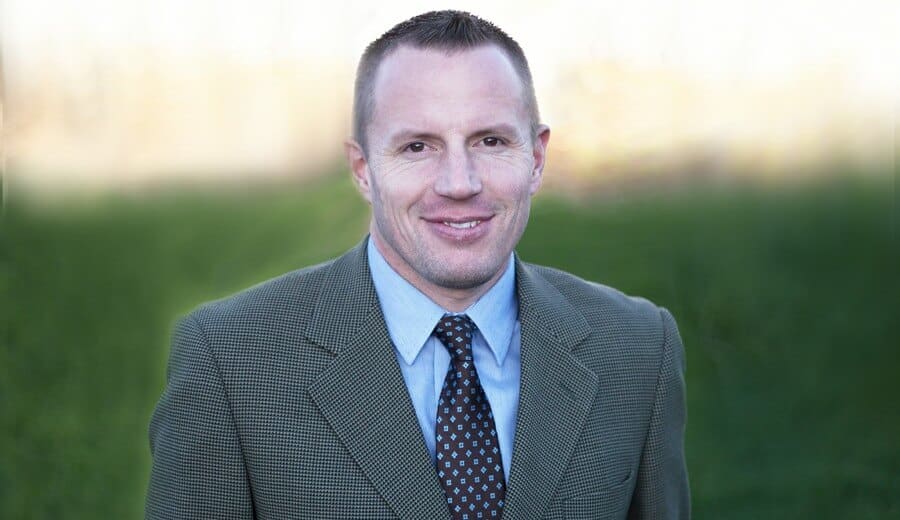
Chris Cockayne is a Utah-based personal injury attorney and the founder of Cockayne Law. Chris focuses exclusively on representing victims of car accidents, dog bites, and other injury claims, helping clients recover compensation for medical bills, lost wages, and long-term care. With over 15 years of legal experience, Chris has handled a wide range of personal injury and motor vehicle accident cases and is known for his client-focused advocacy and strong negotiation with insurance companies. Know more about Chris Cockayne or my other social profiles like Avvo | Martindale | lawyers | Findlaw | Yelp | lexinter | Linkedin | Facebook | and X
This post is also available in: Spanish