Utah Bicycle Accident Claims: Rights, Fault, Insurance, & More
/in Bicycle Accident, Personal Injury Lawyer/by Chris CockayneA driver turns across your path. Your bicycle hits the pavement, your shoulder takes all the impact, and by the time you get home, two very different versions of the accident exist already.
You remember riding straight through the intersection. But the driver is telling another story. He says that you came out of nowhere. Now you’re shocked and unsure what to do.
As if that’s not enough trauma, the insurance company is forcing you to give a statement. That’s exactly where many Utah bicycle accident claims get complicated for people dealing with this for the first time.
But no worries. If you’ve been injured while cycling in Utah, this guide explains how insurance, liability, medical expenses, filing deadlines, and compensation work, and which decisions deserve more attention before you accept any offer.
Can You File a Bicycle Accident Claim in Utah?
Definitely, you can.
An injured cyclist can easily pursue a personal injury claim whenever another person or entity’s negligence or wrongful act causes injuries.
Here, the responsible party can be a commercial driver, employer, motorist, or another party whose conduct contributed to the collision.
4 elements are involved in most bicycle accident claims:
- Duty of Care → The other party had a legal obligation to reasonably act under the specific circumstances.
- Breach of Duty → That party failed to exercise reasonable care or violated an applicable safety obligation.
- Causation → The conduct mainly caused the collision & the injuries being claimed.
- Damages → The cyclist suffered great losses, like lost income, huge medical expenses, or physical pain.
Consider a driver who turns right across the cyclist’s path without keeping track of approaching bicycle traffic. In case the driver’s failure to yield causes a crash and injuries, those facts can support a negligence claim.
However, not every accident establishes someone else’s liability automatically. A single-bicycle collision caused by an unavoidable event is different from one caused by defective equipment or negligently maintained property.
A police citation can surely establish what happened, but the absence of a citation doesn’t prevent a civil claim automatically.
Utah Bicycle Laws That Can Affect Your Claim
Utah law recognizes bicycles as legitimate roadway transportation. Therefore, understanding the rules is non-negotiable.
After all, insurance companies often examine whether both the cyclist and the driver complied with their respective obligations.
Do cyclists have the same rights as motorists?
According to the Utah Code § 41-6a-1102, cyclists typically have the duties and rights applicable to vehicle operators, except where bicycle-specific rules provide otherwise.
That means cyclists should generally follow applicable traffic controls, while drivers have to respect the cyclists’ lawful use of the roadway.
Must cyclists always stay near the curb?
No, that’s not true. Utah Code § 41-6a-1105 establishes roadway-positioning requirements as well as the possible exceptions.
Depending on the situation, cyclists might need to move away from the right edge due to:
- Parked vehicles or opening car doors
- Potholes, debris, or unsafe pavement
- A lane too narrow for a bicycle and vehicle to travel side by side safely
- Preparing for a permitted left turn
- Other circumstances recognized by the statute
Being away from the curb or outside the cycle lane doesn’t, by itself, make the cyclist negligent. The surrounding conditions play a big role here.
What about passing, stop signs, and traffic signals?
Many Utah rules deserve more attention specifically. Here’s a quick table to help you understand those rules:
| Situation | Relevant Utah rule |
| A motorist passes a cyclist | § 41-6a-706.5 addresses safe passing, including the three-foot clearance requirement |
| A cyclist approaches a stop sign | § 41-6a-1105 provides conditional stop-as-yield rules |
| A cyclist rides on a sidewalk or crosswalk | § 41-6a-1106 establishes specific duties |
| A cyclist encounters a red signal | § 41-6a-305 includes applicable traffic-signal requirements and limited exceptions |
Utah’s stop-as-yield provision isn’t blanket permission to ignore stop signs. All cyclists need to satisfy its conditions, including yielding when required.
The same way, a special rule concerning an unresponsive traffic signal doesn’t mean cyclists might proceed through every single red light.
Those differences can affect liability materially after an intersection collision happens.
Who Is at Fault in a Utah Bicycle Accident?
Fault usually depends on the conduct of everyone involved, the traffic rules, and whether that conduct caused the injuries.
The fact that a bicycle is smaller than a car doesn’t make the motorist responsible without investigation.
Common situations involving driver negligence
Potential examples include:
- Left-Turn Collisions: A motorist turns across an approaching cyclist without yielding when needed.
- Right-Hook Collisions: A driver turns right across the way of the cyclist traveling in the same direction.
- Unsafe Passing: A driver passes without enough clearance.
- Intersection Crashes: A driver disregards a right-of-way requirement or applicable signal.
- Distracted Driving: A motorist fails to observe bicycle traffic while using a phone or is distracted otherwise.
- Dooring Accidents: An occupant opens the door of his vehicle into a cyclist’s path.
Every scenario is different, though. And so it requires its own evidence. A collision pattern may suggest a possible explanation. However, it doesn’t establish negligence conclusively.
What if the cyclist shares responsibility?
Utah follows a modified comparative fault system.
That means that your recovery can be reduced if you share some fault, according to the rules mentioned under Utah Code §§ 78B-5-817 through 823.
Under Utah’s modified comparative fault rule, an injured cyclist’s ability to recover damages depends on the applicable statutory fault threshold.
Recovery is generally barred when the cyclist’s fault is equal to or greater than the combined fault of the persons and other parties whose fault is counted under Utah law.
Otherwise, damages may be reduced according to the cyclist’s share of fault.
Here’s an example to help you understand this:
- “Suppose a cyclist has $100,000 in recoverable damages and is assigned about 20% of the fault. Assuming that allocation is completely supported legally and no other adjustment applies, the damages award would be decreased to $80,000.”
The crucial question is how those percentages are established.
In a right-hook collision, investigators may examine:
- Whether the driver signaled before turning
- The cyclist’s lane position and direction
- Road markings and traffic signals
- The timing and location of the turn
- Bicycle and vehicle impact damage
- Video recordings and witness statements
An initial assessment of the insurer is not the final legal allocation of fault.
Can multiple parties be responsible?
Yes, that’s a strong possibility in some cases. Depending on the situation, there can be several potential defendants, including:
- A negligent driver
- A party responsible for a risky roadway condition
- An employer whose employee was acting within the scope
- A manufacturer of defective equipment
Claims against different defendants may involve different legal requirements, so a skilled bicycle accident lawyer should be consulted to be sure.
What Evidence Can Prove a Bicycle Accident Claim?
Victims should understand that a photograph of a damaged bicycle may show the extent of visible damage, but it may not establish how the collision occurred.
Good evidence collection largely focuses on what each piece of information can establish. Here’s more about it:
| Evidence | What It May Help Prove |
| Intersection photographs | Lane markings, visibility, signs, road conditions |
| Dashcam or surveillance footage | Vehicle movements and collision sequence |
| Bicycle and vehicle damage | Impact location and collision mechanics |
| Witness statements | Observations of speed, signals, and right of way |
| GPS or cycling computer data | Route, timing, and potentially movement |
| Medical records | Injury diagnosis, treatment, and recovery |
| Employment and income records | Lost earnings and work limitations |
What should you preserve immediately?
Keep the helmet, damaged bicycle, lights, clothing, and other equipment in their post-accident condition when possible.
Make sure you also preserve:
- Original photographs and video files
- Witness names and contact information
- Police report numbers
- Medical bills and treatment instructions
- Insurance correspondence
- Receipts for bicycle repairs or replacement equipment
Nearby businesses can have security recordings too, so look for them also.
Footage can be overwritten, though, so be aware of that. Identifying cameras and requesting preservation promptly can be your best bet in such situations.
One point I’ll definitely focus on here is that evidence of how the collision occurred and evidence of how badly someone got injured aren’t interchangeable.
That being said, a powerful claim may require both for fair compensation.
What Should You Do After a Bicycle Accident in Utah?
Your immediate priority is medical care and safety, not building a legal case. Once urgent needs are properly addressed, a few practical steps can protect crucial information.
If you’re unsure about what to do after a bicycle accident in Utah, follow these steps:
- Get Somewhere Safe: First of all, you have to call 911 and report your accident. This should be done specifically in case of dangerous conditions or injuries.
- Seek Medical Evaluation: Some injuries, including concussions or other risky scenarios, may not be apparent immediately. So medical evaluation is important.
- Report the Collision: Cooperate with law enforcement & comply with applicable reporting requirements, so you can avoid challenges in your case.
- Document the Location: Take pictures of your location, and capture things like road markings, traffic controls, debris, damage, and visible injuries if possible.
- Identify Witnesses: Record the contact information of those who witnessed your accident clearly, and also check the camera locations.
- Preserve Equipment: Another mandatory step is to avoid disposing of or altering potentially relevant damaged items.
- Track Your Recovery: Keep good records of symptoms, appointments, work restrictions, as well as expenses.
- Review Insurance Communications Carefully: Understand what’s being requested before you sign settlement documents or releases.
The Utah Highway Safety Office provides official traffic-safety information, while Utah’s Department of Public Safety offers access to relevant state safety and law-enforcement resources.
Don’t assume that feeling well at the scene means an injury is minor. And follow medical advice and seek reassessment whenever symptoms develop or worsen.
Which Insurance Pays After a Bicycle Accident in Utah?
A common source of confusion is the difference between an insurer that pays specific instant benefits and an insurer that covers a negligent party’s liability.
Several types of insurance can become relevant:
| Insurance | Potential Role |
| Driver’s liability insurance | Covers qualifying damages for which the insured is legally responsible |
| Personal injury protection (PIP) | May provide defined medical and other benefits when statutory eligibility requirements are met |
| Uninsured motorist (UM) | May apply when an at-fault driver lacks applicable liability coverage |
| Underinsured motorist (UIM) | May apply when qualifying damages exceed available liability coverage |
| Health insurance | May pay covered treatment, subject to plan terms and possible reimbursement obligations |
Does the driver’s insurance cover a cyclist?
When a driver injures a cyclist negligently, the driver’s bodily injury liability coverage might respond to the resulting claim, subject to coverage limits and terms.
Anyhow, legal responsibility and coverage availability are separate questions. An insurer can accept that its policy applies while disputing how much compensation is justified and who caused the collision.
Can cyclists receive PIP benefits?
Yes, possibly. Utah’s automobile insurance laws establish personal injury protection perks & eligibility requirements.
PIP coverage may be available to an injured cyclist in qualifying circumstances, depending on the applicable law, insurance policy, and eligibility requirements.
Coverage, limits, and exclusions should be verified before assuming that benefits are available.
What if the driver is uninsured or leaves the scene?
Underinsured or uninsured motorist coverage might offer another potential source of recovery, depending on the policy terms and specific conditions.
Important questions include:
- Was the responsible vehicle identified?
- Which policies potentially cover the injured cyclist?
- Does the accident satisfy the applicable UM/UIM requirements?
- What notice and documentation does the insurer require?
- Are there coverage exclusions or unresolved liability issues?
The Utah Insurance Department provides consumer resources to understand insurance claims and coverage well.
Health insurance can also pay treatment expenses that are eligible. But specific payments can create reimbursement questions when a personal injury settlement is reached later.
What Compensation Can You Recover After a Utah Bicycle Accident?
Compensation may include economic and non-economic damages where recoverable under Utah law.
Economic damages
Economic damages are the financial losses that can be documented. These include:
- Emergency treatment, hospitalization, and surgery
- Physical therapy, rehabilitation, and future medical care
- Lost wages and diminished earning capacity
- Bicycle repair or replacement
- Damaged helmets, clothing, and cycling equipment
- Necessary assistance and other accident-related expenses
Noneconomic damages
Depending on the claim & applicable legal restrictions, recoverable losses can also involve:
- Physical pain and suffering
- Emotional distress
- Loss of enjoyment of everyday activities
- Physical limitations and long-term impairment
For instance, a cyclist with a fractured wrist may lose income during recovery. A cyclist with permanent hand limitations might also face occupational consequences in the future.
Hence, those situations require different evidence.
How Does the Utah Bicycle Accident Settlement Process Work?
Every sequence is different in different cases, so the stages might not be exactly the same. But in general, here’s how a Utah bicycle accident settlement process works:
Step 1. Investigation: Collect witness accounts, crash evidence, and medical records, as well as relevant insurance information.
Step 2. Liability Evaluation: With the help of an expert bicycle accident attorney, determine which parties may be legally responsible and whether comparative fault applies.
Step 3. Damage Assessment: Review expenses, lost income, medical treatment, and possible future needs.
Step 4. Claim Presentation: Submit supporting documentation to the right insurer.
Step 5. Negotiation: Now, it’s time to evaluate the insurer’s disputed issues, response, and settlement terms.
Step 6. Litigation or Resolution: Resolve the claim through an agreement, or you can also pursue court proceedings when needed.
What if the insurer disputes your injuries?
An insurance company may accept that its driver caused the accident but question whether specific medical treatment resulted from that accident.
Treatment timelines, diagnostic records, medical histories, and expert opinions may become essential in resolving those disputes.
Should you accept an early settlement?
No, you shouldn’t. After all, an early settlement offer may not account for all of your losses, particularly if medical treatment is ongoing or the long-term effects of your injuries remain uncertain.
Review the documented damages, potential future expenses, insurance coverage, and terms of the release before deciding whether to accept.
So before you accept any kind of offer, understand:
- Whether the complete extent of the injuries is properly known
- Whether additional treatment might be necessary
- Whether medical reimbursement obligations remain
- What claims does the settlement release
- Whether the offer accounts for documented lost income & future losses
A signed release can prevent additional recovery for the claims it resolves.
If negotiations fail, litigation might become appropriate. Utah civil lawsuits follow the Utah Rules of Civil Procedure, which govern filing, discovery, and other vital court procedures.
Filing a lawsuit doesn’t always mean that your dispute will proceed to trial.
How Long Do You Have to File a Bicycle Accident Claim in Utah?
There’s a four-year limitation to file lawsuits in most negligence-based personal injury cases. But the thing is, not all bicycle accident claims are the same, and so the statute of limitations can differ sometimes.
The circumstances can change the analysis. Such as:
- Ordinary Negligence → Often subject to the general four-year period.
- Government-Related Claims → Shorter deadlines and special notice requirements may apply.
- Wrongful Death → A different limitations period might apply.
- Claims Including Minors → Special rules can affect both procedure and the timing.
- Defective-Product Claims → Product liability provisions may lead to a different sort of requirements.
Claims involving Utah governmental entities may be subject to special deadlines. A notice of claim generally must be filed within one year after the claim arises under Utah Code § 63G-7-402.
A separate deadline generally applies to commencing a lawsuit under § 63G-7-403. The applicable requirements and exceptions must be checked for the specific claim.
In addition, reporting a claim to an insurance company isn’t the same as filing a lawsuit. Ongoing negotiations must not be assumed to preserve the court filing deadline.
Special Bicycle Accident Situations That Need Additional Investigation
Some accidents involve problems beyond normal driver negligence. And here are a few examples of that:
-
- Children Injured While Cycling: Claims that involve minors may need special procedural considerations, including protections surrounding settlements.
- Commercial Vehicle Collisions: If a driver causes an accident while he was performing employment duties, commercial insurance and employer responsibility can become relevant.
- Dangerous Roadway Conditions: A maintenance failure or hazardous road design can raise concerns about government responsibility, immunity, & notice requirements.
- Hit-and-Run Accidents: Identifying witnesses, examining potential uninsured motorist coverage, and obtaining footage can be especially important.
- Defective Bicycle Equipment: A failed component can require maintenance records, product evidence, and expert examination.
- Electric Bicycle Collisions: E-bike classification truly matters because different devices can be subject to different statutory requirements. You should check out Utah’s Traffic Code for the rules applicable to the specific accident date and device.
Final Takeaway
The intersection can be cleared within an hour. Your bicycle may be repaired within days or a month. Yet the questions that determine a claim can take considerably longer to resolve.
Those questions (i.e., who had the right of way, which insurance applies, what evidence remains, and whether future treatment is required) deserve answers before a settlement closes the matter.
If another party may have caused your injuries, Cockayne Law can review the circumstances, explain insurance and liability issues, and help you understand your options under Utah law.
Frequently Asked Questions
Can I file a claim without a police report?
Well, yes, you can. A police report is definitely good for useful evidence. However, a negligence claim can also be supported by witnesses, photographs, medical documents, and other records.
Can I recover compensation if I was not wearing a helmet?
Not wearing a helmet does not automatically prevent an injured cyclist from recovering compensation. Utah Code § 41-6a-1505 provides specific protections concerning the use of protective headgear in civil litigation. Whether those protections apply depends on the circumstances and the type of vehicle involved.
What if I was riding outside the bicycle lane?
You can still have a claim, yes. Utah recognizes circumstances in which cyclists can lawfully occupy different roadway positions. The road conditions, applicable statute, and, of course, the conduct of every party involved matter here.
What if my injuries appeared several days later?
Still, it doesn’t mean you cannot file a claim. Just get your medical assessment done and preserve records documenting when your symptoms started developing, what treatment was suggested, and how the injuries may be related to the collision.
Does my auto insurance cover me while riding a bicycle?
Depending on the policy terms, type of coverage, and statutory eligibility, it can provide specific benefits. UIM/UM and PIP must be evaluated separately instead of assumed to apply automatically.
Can I recover the cost of an expensive bicycle?
Yes, it’s possible to do this. You can preserve purchase records, repair estimates, specifications, photographs, and evidence of the pre-accident condition of your bicycle. The legally supported property loss can differ from the original purchase cost.
Do I need a lawyer to file a bicycle accident claim?
Legal representation is not always required, but it may be helpful when injuries are serious, liability is disputed, or insurance coverage is complicated. Professional advice proves to be really helpful when injuries are severe, multiple insurance policies are involved, fault is disputed, or any special deadlines apply.
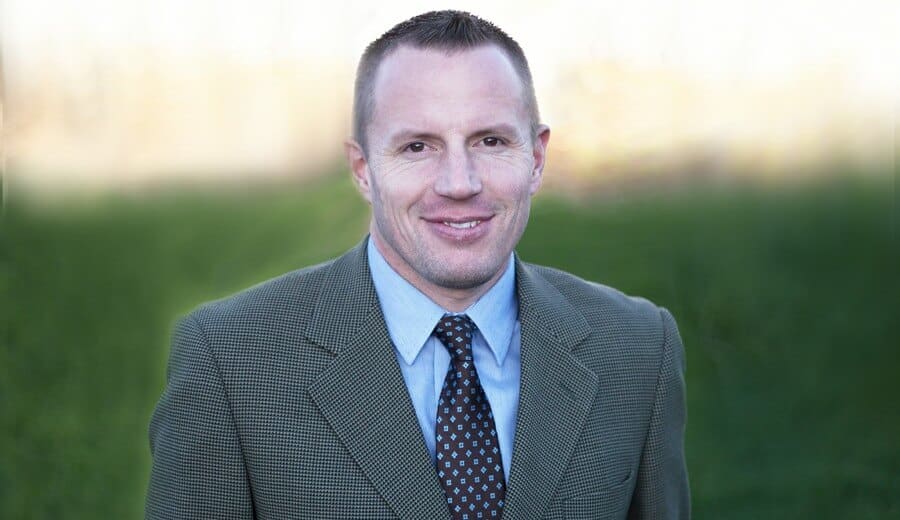
Chris Cockayne is a Utah-based personal injury attorney and the founder of Cockayne Law. Chris focuses exclusively on representing victims of car accidents, dog bites, and other injury claims, helping clients recover compensation for medical bills, lost wages, and long-term care. With over 15 years of legal experience, Chris has handled a wide range of personal injury and motor vehicle accident cases and is known for his client-focused advocacy and strong negotiation with insurance companies. Know more about Chris Cockayne or my other social profiles like Avvo | Martindale | lawyers | Findlaw | Yelp | lexinter | Linkedin | Facebook | and X