
Negotiating Car Accident Settlements in Utah: A Step-by-Step Guide for Fair Payouts
A car accident can be a life-altering event, leaving emotional, physical, and financial impacts. While your safety is always the top priority, what you do immediately after a crash can significantly affect the outcome of potential insurance claims or legal proceedings. Timely evidence collection plays a critical role in the process and can safeguard your rights in the aftermath of an accident.
If you’re unfamiliar with navigating these situations, an experienced car accident attorney can guide you. At Cockayne Law in West Jordan, Utah, we understand the importance of acting quickly and can help you gather and preserve critical evidence to support your case.
Why Is Evidence Collection Crucial?
Evidence tells the story of what happened before, during, and after the accident. Accidents can be chaotic, with emotions running high and confusion clouding the details. Over time, memories fade, eyewitnesses become difficult to locate, and crucial physical evidence can disappear.
By collecting evidence promptly, you create a stronger foundation for proving liability, damages, and injuries. This is valuable not just for insurance claims but also if you choose to pursue compensation through a lawsuit.
Types of Evidence You Should Gather
Below are some of the most critical types of evidence to collect after a car accident, each of which can help paint a clear picture of what occurred.
1) Photographic Evidence
The saying “a picture is worth a thousand words” couldn’t be more accurate when it comes to car accidents. Photographs provide undeniable proof of the accident aftermath and can be used to reconstruct the scene.
What to photograph:
- Damage to all involved vehicles
- Skid marks or road debris
- Road conditions (e.g., wet pavement, potholes)
- Other property damage (e.g., guardrails, signs)
- Traffic signs and signals near the accident site
- Injuries to yourself or passengers
The more detailed your photos, the clearer the evidence becomes. Take shots from multiple angles to ensure you capture the entire scene.
2) Police Report
When law enforcement arrives at the scene, they draft a police report documenting their observations and key information like the time, location, and parties involved. This report often includes an initial assessment of fault, eyewitness accounts, and any traffic violations.
Ensure you request a copy of the police report for your records. It’s a valuable document that your car accident attorney can use to support your case.
3) Witness Testimonies
Eyewitnesses can provide objective accounts of the accident. Their testimonies can bolster your claims, especially if they corroborate your version of events. If possible, speak to witnesses immediately after the incident. Collect their:
- Full name
- Contact information (phone number and email)
- A brief statement of what they observed
Your attorney may follow up with witnesses for more in-depth information if needed.
4) Medical Records
Even if you believe your injuries are minor, seeking medical attention is crucial for both your health and your case. Delayed symptoms, such as whiplash or internal injuries, can arise days or even weeks after the crash. Medical records provide concrete documentation of your injuries and connect them to the accident.
Retain records of:
- Emergency room visits
- Diagnostic tests (e.g., X-rays, MRIs)
- Treatment plans
- Prescribed medications
Medical records not only support your injury claim but also demonstrate the impact the accident has had on your life.
5) Dashcam or Surveillance Footage
If your vehicle or a nearby business had cameras rolling during the crash, the footage could serve as compelling evidence. Dashcam footage often provides unbiased video proof of events leading to the accident, while security cameras may capture important angles not visible from the road.
6) Documentation of Expenses
Keep detailed records of all accident-related expenses. This includes:
- Vehicle repair costs
- Medical bills
- Lost wages due to missed work
- Out-of-pocket expenses (e.g., car rentals, transportation)
These records are essential for calculating the financial compensation you may be entitled to.
Evidence Preservation After a Car Accident
The period immediately after your car crash will be hectic and critical to gather the evidence. If you can still move around, get out of your phone and take photographs or videos of your accident scene.
For example, take pictures of involved vehicles, any damaged causes, tire marks left behind on the road, the current weather, and surrounding traffic signals and signs.
By taking pictures of these components, it will create a clearer report of what has occurred. This is also important later when you are speaking to insurance agents and attorneys.
When Should Evidence Be Gathered After a Car Crash?
The evidence should be gathered at the time of the accident. By documenting the site of the car accident and taking pictures of the vehicles in the location and any damages, this will provide tangible evidence of liability.
Gaining statements from any witnesses to your accident and collecting available surveillance video will further strengthen your report of what took place. The more
Importance of Witness Statements After Car Crash
An auto accident witness statement is an account of the event or details of something that took place. A witness statement will typically contain information about what took place during the event, and the evidence will help you prove it.
If witnesses to your car crash consist only of the drivers involved, a witness statement cannot be obtained. If that is the case, there will be a situation where there is no proof one way or the other.
In that situation, you will have to seek evidence to prove that you are not responsible. Third-party witness statements can eliminate the subjectivity of a car accident case and provide factual and detailed statements about liability.
These are also helpful when no video of the accident exists. At a trial, your witness can also testify before a jury as to what he or she saw.
Most Valuable Evidence
- Video footage
- Police report
- Witness statements
- Photos
- Medical records
- Vehicle damage reports
Challenges of Delayed Evidence Collection
Failing to gather evidence promptly can severely weaken your case. Here are some challenges you might face due to delays:
- Fading Memories: Witnesses and involved parties may struggle to recall key details over time.
- Lost Physical Evidence: Skid marks may fade, vehicles may be repaired, and accident debris is often cleared quickly.
- Difficulty Locating Witnesses: Without immediate contact information, witnesses may become untraceable.
- Disputed Liability: Without strong evidence, insurers or opposing parties may challenge your version of events.
Working with a skilled car accident attorney can help you avoid these pitfalls.
How a Car Accident Attorney Can Help
At Cockayne Law in West Jordan, Utah, we understand the complexities of car accident cases. When you partner with us, we ensure that no stone is left unturned in collecting and preserving evidence. Here’s how we can support you:
- Conducting an independent investigation into the accident
- Gathering and reviewing medical records, dashcam footage, and witness testimonies
- Engaging experts, such as accident reconstruction specialists, to strengthen your case
- Handling communication with insurance companies on your behalf
Our goal is to help you secure the compensation you deserve and allow you to focus on recovery.
Take Immediate Action After an Accident
Timely evidence collection is critical for building a strong car accident case, and you don’t have to handle it alone. The right legal representation can make all the difference in protecting your rights and obtaining the compensation you need.
If you’ve been involved in a car accident in the West Jordan, Utah area, contact Cockayne Law today. Schedule a free consultation with one of our experienced car accident attorneys and let us guide you through this challenging time with compassion and expertise.
If you were hurt in a crash in Utah, you want a fair check without a long fight. This guide shows how settlement talks work here, what proof moves the needle, and when to push harder. Utah uses no fault PIP first, then you can go after the at-fault driver if your injuries meet set rules. You will learn how to build a solid demand, how adjusters think, and how the 50 percent fault rule can change your result. We maintain simplicity to enable you to concentrate on your health and your claim. If you ever feel stuck, a personal injury attorney in Utah can step in and handle the back and forth for you.
Key Info:
- Pain and suffering require meeting thresholds
- A strong demand needs proof and order
- Keep treatment consistent and well documented
- Track every bill, mile, and missed shift
- Do not give recorded statements lightly
- Know the 50% fault bar limit
- Policy limits often cap settlement value
- Use mediation if talks stall for weeks
- File before Utah’s lawsuit deadline expires
Utah Settlement Basics: PIP First, Then Fault-Based Claims
How does no-fault work in Utah?
Regardless of the cause of the accident, the majority of Utah drivers utilize personal injury protection (PIP) to cover initial medical expenses and a portion of their lost wages immediately following an accident. PIP is the initial payer. You can seek pain and suffering from the at-fault driver only when injuries meet Utah’s thresholds, including at least three thousand dollars in medical costs or certain serious harms.
When can you step outside PIP?
Once the thresholds are satisfied, it is possible to submit a third-party claim against the insurer of the at-fault motorist. Your demand may include medical bills beyond PIP, wage loss, future care, and non-economic harm like pain, loss of sleep, or limited hobbies. The demand should also ask the insurer to pay back your PIP carrier if required by law.
Why liability limits matter
Even with strong proof, the other driver’s policy limits can set a ceiling on what you collect. The minimum auto liability limits in Utah went risen to $30,000 per person, $65,000 per accident for injuries, and $25,000 for property damage starting in 2025. Higher limits help in serious circumstances, but a lot of drivers still barely have the bare minimum.
What Drives Settlement Value in Utah?
Proof of injury and care
Insurers weigh the quality of your medical proof. Start care fast, follow through, and keep records tidy. Gaps in care can hurt value. Consistent notes from doctors, clear diagnoses, and treatment plans make adjusters take the case more seriously.
Clear fault stories win
Photos from the scene, a police report, traffic cam clips, and good witness notes help show who caused the crash. If blame looks shared, the insurer will cut the offer. Utah’s modified rule bars money if you are at least 50 percent at fault, so clean facts matter.
Money math that adds up
Write down every bill, co-pay, therapy cost, medical device, and travel to appointments. Add wage loss with employer letters and pay stubs. Save receipts for meds and supplies. The more robust the paper trace, the more straightforward it is to argue for a higher number. A personal injury attorney in Utah can assist in establishing reasonable ranges and identifying any missing items.
Start Strong: Records, Medical Care, and the Demand Letter
Day one checklist
See a doctor the same day if possible. Provide a comprehensive account of your distress. Request a treatment plan and adhere to it. Photograph your car, bruises, and any gear like braces.
Build the demand package
A good demand is clear, short, and backed by proof. It should include a short summary of the crash, fault facts, a timeline of care, itemized bills, wage loss proof, photos, and the effect on your daily life. Close with a firm number that leaves room to negotiate.
- Police report and crash photos
- Medical records and itemized bills
- Wage proof and doctor’s work notes
- Pain and life impact summary
- Proof of hobbies or tasks you lost
Timing the send
Send the demand after you reach maximum medical improvement or have a clear view of future care. Early demands risk missing costs. If care will last months, note future treatment and have your doctor explain why.
Smart Moves With Adjusters During Talks
Keep control of the facts
Adjusters may request a recorded statement. You are not required to provide your consent immediately. Written statements often work better because you can choose your words with care. Share what is needed, not guesses. Stick to facts you can prove with records.
Read every form
Medical releases can be narrow. Use forms that limit the time period and the kind of records shared. Do not hand over your full health history when a shorter window will do. Keep copies of everything you send.
Negotiate with purpose
Open high but fair based on proof. Expect a low first offer. Ask the adjuster to explain their number line by line. Challenge weak points with records. If talks stall, propose mediation. If the offer still stays far below fair value, filing suit keeps the claim alive and shows you are serious. A Utah personal injury attorney can push this forward for you.
Utah’s Comparative Fault Rule and Your Bottom Line
How fault affects your check
Utah uses a modified comparative fault rule. If you are 50 percent at fault or more, you recover nothing. If you are 49 percent or less at fault, your final amount drops by your share. Let’s say, with a 20% fault, a $100,000 award becomes $80,000.
Be ready for blame games
Insurers may argue you were speeding, looked at your phone, or waited too long to seek care. Push back with proof. Phone logs, speed data, dashcam clips, and prompt medical notes help. Witnesses who saw the other driver run a light or drift into your lane can cut through the noise.
Clear talk helps juries and adjusters
Use plain terms. Explain how the crash happened with a simple timeline. Use photos and a map. Show how your day-to-day life changed. Keep the focus on proof. A personal injury lawyer in Utah can frame the story in a way that tracks Utah law.
Timelines, Mediation, and Filing Suit in Utah
Typical timeline
Once treatment concludes, straightforward claims may be resolved within a few months. Complex cases with surgery or future care take longer. Patience can pay off, since rushing before you know the full medical picture often leads to a low result.
Mediation as a next step
If talks slow down, a neutral mediator helps both sides see strengths and risks. Mediation is private and can close the gap faster than filing motions in court. Bring your full file and be ready to move within a set range.
Do not miss the deadline
The general deadline for filing a lawsuit in Utah for injuries resulting from a car accident is four years. Wrongful death and certain claims are subject to shortened timeframes. Failure to submit your paperwork promptly may result in the forfeiture of your rights. Talk to counsel early so you do not cut it close.
Hire a Trusted Car Accident Lawyer in Utah: Meet Chris Cockayne Team
When you want steady help through this process, Chris Cockayne and the team at Cockayne Law bring deep Utah experience to car cases. They know how PIP works here, when you can step outside no fault, and how to build a demand that lands. They gather records fast, line up strong doctors, and handle adjusters so you can focus on healing.
If blame is shared, they work the facts to keep your fault number low and your result strong. They push for fair offers, set up mediation when needed, and file suit if the carrier will not move. Clients appreciate clear updates and straight talk. If you are looking for a personal accident lawyer in Utah who will treat your case with care and urgency, this is a team to consider.
One call to Cockayne Law can start the process the right way.
Final Thoughts
Fair settlements do not happen by chance. They come from quick medical care, neat records, clear fault facts, and steady talks. Utah rules on PIP, fault, and deadlines shape your path, so know them and use them to your advantage. If the insurer starts to stall or cut corners, it is recommended to bring in a personal injury attorney in Utah to level the field. Stay patient, stay organized, and keep the end goal in view. Your health should be prioritized, and the financial resources should correspond to the losses and future requirements.
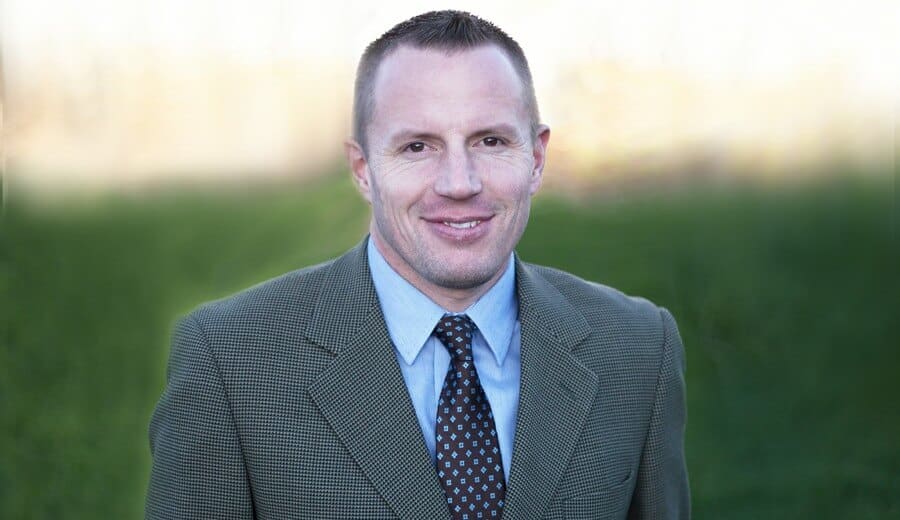
Chris Cockayne is a Utah-based personal injury attorney and the founder of Cockayne Law. Chris focuses exclusively on representing victims of car accidents, dog bites, and other injury claims, helping clients recover compensation for medical bills, lost wages, and long-term care. With over 15 years of legal experience, Chris has handled a wide range of personal injury and motor vehicle accident cases and is known for his client-focused advocacy and strong negotiation with insurance companies. Know more about Chris Cockayne or my other social profiles like Avvo | Martindale | lawyers | Findlaw | Yelp | lexinter | Linkedin | Facebook | and X
This post is also available in: