
What Happens If You Are At Fault In A Car Accident In Utah?
If you are at fault in a Utah car crash, your insurer pays for the other driver’s losses up to your policy limits, your PIP handles some medical bills, premiums may rise, and you can be sued under Utah’s comparative fault rules.
A wreck happens fast. Now you worry about what comes next. If you were at fault, you face repair bills, injury claims, and hard phone calls. Utah’s rules set a clear path.
Fault can be shared. If you are mostly to blame, you could face serious car accident lawsuits depending on the injuries and damages involved.
The good news is that there are steps you can take today to lower the damage, especially if you understand what to do after a crash from the very beginning.
This fully detailed article explains what “at fault” means in Utah, how insurance works, what penalties to expect, and when to call a car accident attorney Salt Lake City.
Key Points
- Fault can be shared between drivers in Utah.
- PIP pays early medical bills regardless of fault.
- You can be sued if injuries pass legal thresholds.
- Premiums can rise after an at-fault claim.
- Minimum liability limits increased in 2025.
- You have four years to file most injury suits.
What Does “At Fault” Mean in Utah?
Being at fault means your actions were the main cause of the crash. Utah uses modified comparative negligence rules. Each party gets a percentage of blame. Utah follows a modified comparative fault rule. If you are 50% or more at fault, you generally cannot recover compensation from the other driver.
If you are less than 50% at fault, your compensation is reduced by your percentage of fault. In cases with more than two parties, the comparison is made against the combined fault of the parties you seek recovery from, so the math can be more complex.
Insurers and, if needed, a jury use police reports, official Utah accident reports, photos, statements, and laws to decide these percentages.
Why this matters
There are many small details that affect the split. In many cases, strong car accident evidence collected at the scene makes all the difference.
Is Utah An At-Fault State Or A No-Fault State?
Utah uses a hybrid insurance system. That means the state follows a “no-fault” structure for initial medical perks through PIP, but fault still heavily matters when damages exceed coverage limits, or injuries become serious.
After most crashes, each driver first uses their own PIP coverage for all medical expenses, regardless of who caused the crash. Anyhow, once the injuries meet the legal threshold of Utah, the injured party can pursue a claim against the at-fault driver for any additional compensation.
That’s why Utah is usually described as both:
- A no-fault state for primary injury benefits
- And an at-fault state for larger liability and injury claims
This confusion is exactly why a lot of drivers misunderstand how fault actually affects insurance claims, lawsuits, and filing a car accident claim after an accident.
Utah’s No-Fault Benefits And When Lawsuits Happen
Utah is a no-fault state for basic medical bills through personal injury protection coverage, called PIP. PIP covers at least $3,000 in medical costs per person. Plus, limited lost wages and funeral costs, no matter who caused the crash.
You may bring a bodily injury claim against the at-fault driver if your medical bills reach $3,000. Or you suffer certain serious injuries such as permanent disability, disfigurement, or death.
What PIP does not cover
PIP does not pay for the other driver’s property damage. It also does not shield you from a lawsuit when losses are high.
Insurance Rules After An At-Fault Crash
Utah’s financial responsibility law requires drivers to carry minimum insurance coverage to help pay for injuries and property damage after an accident.
You are accountable for any damage you cause to another driver’s property up to your property damage liability and liability coverage limits.
As of January 1, 2025, Utah requires every driver to carry at least:
- $30,000 per person for bodily injury
- $65,000 per accident for bodily injury
- $25,000 for property damage
Your liability insurance pays the other driver’s repair costs and medical bills up to these limits.
First-party vs. third-party claims
- A first-party claim is to your own insurer for PIP and collision.
- A third-party claim is made by the other driver against your liability coverage.
- Your insurer must defend you against covered claims, but it only pays damages up to your policy limits.
Does Insurance Cover At-Fault Accidents In Utah?
Yes, it does!
In fact, liability insurance is specially designed to cover injuries and damage you cause to other people in an at-fault accident, up to your policy limits.
In Utah, liability coverage typically helps pay for:
- Injury claims and medical bills
- The other driver’s vehicle repairs
- Legal defense costs if a lawsuit is filed
- Property damage
However, your own vehicle damage is often covered only if you carry collision coverage.
If losses exceed your policy limits, you may face personal civil liability for the remaining balance. That is also one of the reasons serious crashes can create significant financial exposure after an at-fault accident.
Drivers commonly ask:
- “If I am at fault in an accident, will my insurance cover it?”
- “Does full coverage also cover at-fault accidents?”
- “Does insurance cover accidents that are your fault?”
Well, the answer heavily depends on:
- The severity of injuries
- Whether collision coverage exists
- Your liability limits
- Whether multiple vehicles were involved
In most cases, coverage may pay for damage to your own vehicle, while PIP can cover particular medical expenses regardless of who was at fault.
But drivers with only minimum coverage might still face out-of-pocket expenses if damages exceed their policy limits.
What Happens Financially After An At-Fault Car Accident?
Expect a possible increase in insurance premiums at renewal after an at-fault crash. If you carry only minimum limits and the other side’s losses are high, their lawyer may seek the difference from you.
If you destroy public property, a city or the state could also make a claim. If you violate a traffic law, you may receive a traffic citation, license points, or other penalties. It can also raise rates. In serious cases involving alcohol or reckless driving, criminal charges may apply.
How Fault Is Decided In Practice?
Insurers study the scene and assign fault by percentage. They look at the police report, Utah traffic laws, vehicle damage patterns, skid marks, dashcam or doorbell video, and witness statements. Utah’s modified comparative fault rule then limits recovery based on each driver’s share. If your fault is equal to or higher than everyone else’s combined, you cannot recover injury money. This 50% bar is the key rule in Utah.
Helpful Evidence
Collision repair estimates showing the severity and location of vehicle damage. Here’s what truly matters:
- Clear photos from many angles
- Names and numbers of witnesses
- Repair estimates and medical records
- Your written notes were made the same day
Common Examples Of At-Fault Accidents
A fault is not always obvious immediately after a crash. Though some types of accidents more commonly result in one driver being found primarily responsible.
Common at-fault accident examples include:
- Running stop signs or red lights
- Rear-end collisions caused by tailgating
- Unsafe lane changes
- Left turn crashes
- Drunk driving accidents
- Speeding-related collisions
- Failing to yield while turning
- Distracted driving crashes
- Multiple-vehicle chain reaction crashes
- Parking lot accidents
- T-bone collisions
- Merging accidents
For instance, drivers who rear-end another vehicle are frequently presumed at fault due to the fact that Utah drivers need to maintain a safe following distance.
Still, every accident case is different. And sometimes, fault can be shared between multiple drivers depending on the visibility, witness evidence, vehicle positioning, and road conditions.
What Happens If You Are Found At Fault In A Car Accident?
Being found at fault after the crash can affect many areas of your life beyond the accident itself. Depending on the severity of the collision, drivers may face:
- Vehicle repair expenses
- Increased insurance premiums
- Financial stress from uncovered losses
- Traffic citations and license points
- Lawsuits and injury claims
Remember, being at fault doesn’t mean you’re completely responsible for every single damage claim. Because Utah’s comparative fault system may still divide blame among parties based on the evidence.
Many drivers even assume the situation is hopeless after causing an accident, but that’s not entirely true.
After all, proper insurance handling and early legal guidance can highly affect the final outcome.
What To Do Right After You Think You Were At Fault
Stay calm. Call 911 if anyone is hurt. Move cars out of traffic if safe. Exchange insurance and contact details. Take photos and short videos. Do not argue about blame at the scene.
Report the crash to your insurer quickly. In Utah, police reporting is required for injury, death, or significant property damage; the property damage threshold is generally around $2,500. Even if the police do not respond, you may still need to file a report.
Should You Admit Fault After a Car Accident?
After the crash, a lot of drivers admit blame or instinctively apologize. But the fault isn’t always obvious instantly after an accident.
Sometimes, visibility issues, road conditions, distracted driving, speeding, and other factors may also contribute to the collision.
So make sure you neither say phrases like “I’m sorry” in the scene nor make definitive statements about fault before a thorough investigation is complete.
Why You Should Keep Quiet at the Scene
- Your Perfection Can Be Wrong → Adrenaline and shock cloud judgement. What you think happened right after the crash is often proven wrong once investigators review skid marks, traffic camera footage, or black-box data.
- Your Perception Can Be Wrong → Adrenaline and shock cloud judgment. What you think happened immediately after a crash is often proven wrong once accident investigators review traffic camera footage, skid marks, or black-box data.
- Utah is a Comparative Fault State → Utah uses modified comparative negligence rules. If multiple parties contribute to a crash, liability can be split proportionally. Admitting complete fault at the scene can wrongfully pin the total financial and legal burden on you.
- Insurance Investigations Take Time → Let the insurance adjusters and police investigations determine who is legally responsible. Your job at the scene is to collect facts, not assign blame.
What To Do After A Car Accident That Was Your Fault?
Drivers instantly panic when they know they caused the accident. But the steps taken immediately afterward are actually what matter.
Taking the right measures not only affects insurance claims but also fault investigations and legal exposure to a great extent.
So, if you believe you caused the collision:
- Take photos and videos of the scene
- Call law enforcement immediately
- Exchange insurance information
- Seek medical attention (if required)
- Inform your insurance company promptly
- Don’t post about the crash on social media
- Avoid admitting fault at the scene emotionally
- Keep records of all communication and expenses
- Stay at the scene to avoid a hit-and-run accident situation
Even when the fault appears obvious at the outset, later evidence may show that liability was shared.
But it’s highly crucial to take the right steps to protect both your financial situation and legal rights.
What Happens If Your Insurance Limits Are Too Low?
Minimum insurance coverage might not fully protect drivers in the event of a serious accident. And if lost income, property damage, or medical bills exceed policy limits, the at-fault driver can become personally responsible for the remaining balance.
That’s also one of the reasons many drivers in Utah choose umbrella policies or higher liability coverage for extra protection.
How Lawsuits Work If You Are Sued
If the other driver’s injuries pass the no-fault threshold or their losses are large, they may sue you. Your insurer hires an attorney to defend you. For most accident injury lawsuits, the statute of limitations is four years from the date of the accident.
Evidence is exchanged, fault is argued, and many negligence claims are settled before trials, which is also why many drivers wonder why settlements take so long after serious crashes. If a jury finds you mostly at fault, you could owe damages up to your policy limits and, if the limits are too low, out of pocket.
Settlement basics
Most cases resolve through negotiating accident settlements before trial. Settlements weigh medical proof, lost wages, medical bills, and other special damages tied to the crash.
How Long Do You Have to File?
Most Utah car accident injury lawsuits must be filed within four years of the accident. Property damage claims can follow a different deadline, so confirm the timeline for your situation.
Common Insurance Outcomes After An At-Fault Crash
Your premium can increase at the next renewal. A surcharge may apply for several years. If you had accident forgiveness, that feature may reduce or avoid a first increase. If your vehicle is financed, your collision coverage pays for your own car minus your deductible. If you lack collision, you pay for your own repairs. If your vehicle is totaled, the payout is the actual cash value, not what you still owe on a loan.
When The Other Driver Shares Blame
Fault splits are common. Maybe the other driver was speeding, on a phone, or running a light too. If they carry part of the blame, their recovery from you is reduced by their share. They are not entitled to recover if they are 50% or more at fault. Utah’s modified comparative fault system controls these results.
Steps To Protect Yourself Financially
Raise your liability limits if money allows. Today’s medical bills and vehicle prices can pass minimums fast. Consider umbrella coverage for extra protection. Keep PIP. Add collision, uninsured motorist coverage, and underinsured motorist coverage for yourself and your family.
If a claim is filed against you, stay in contact with your adjuster, reply on time, and keep records of every call and letter. The right plan limits risk if you are found at fault.
In some situations, insurers may issue a claim denial if coverage disputes or policy exclusions apply.
Talking To Insurers Without Hurting Your Case
Report the crash soon, but keep it simple when speaking with insurance adjusters after an accident. Share facts, not guesses. In the event that an adjuster asks you for a recorded statement, you can schedule it for later. Read any forms before signing.
If the claim is important or the facts are complex, speak with an attorney in Utah before you give detailed statements. That choice can help you avoid mistakes that raise your share of fault.
Can You Still Get Compensation If You Were Partially At Fault?
Yes. Under Utah’s modified comparative fault system, injured drivers can still recover compensation if they were less than 50% responsible for the accident.
For instance:
- If you were found 20% to be at fault, your compensation would be simply reduced by 20%.
- But if you were 50% or more responsible, Utah law usually prevents recovery from the other driver.
This becomes even more crucial in accidents inolving:
- Intersection collisions
- Disputed lane changes
- Distracted driving
- Speeding allegations
- Or unclear witness testimony
In most scenarios, insurance companies try to shift more blame onto injured drivers because lowering fault percentages can substantially reduce payouts.
Why Hire a Car Accident Attorney in Utah?
Why This Part Matters to You
When money, health, and fault are on the line, you need steady help. Paperwork and calls stack up fast. Adjusters may push for quick answers. A local guide takes that load off you, sets a plan, and protects your rights from the start.
A lawyer in Utah also knows local judges, common insurer tactics, and the proof that matters most when choosing the most talented car accident lawyer for your case. The sooner you bring in help, the fewer surprises you face later.
Work With Chris Cockayne And the Team at Cockayne Law
Chris Cockayne focuses on helping crash victims and families across Utah. His team listens first, reviews police reports and medical records, and builds a clean picture of fault. They talk to witnesses, request video, and move fast to save key proof.
If a lawsuit is filed, they defend you within your policy limits and push for fair results. If the facts show shared blame, they fight to keep your percentage as low as the proof allows. With clear updates and straight talk, Cockayne Law helps you make good choices at each step. When you want legal help in Utah from someone who treats you like a person, not a file, this team is a strong place to start.
Final Thoughts
An at-fault crash is stressful, but there is a path forward. Know what “at fault” means, use your PIP, and lean on your insurer to defend you. Save records and photos. Do not guess or admit blame.
Upgrade your coverage if you can, so one mistake does not put your savings at risk. When injuries are serious, or fault is disputed, consider free consultations with car accident lawyers before speaking in detail with insurers.
Get guidance from our personal injury lawyer Utah that fit your case. Smart steps today can steady your money, your claim, and your peace of mind.
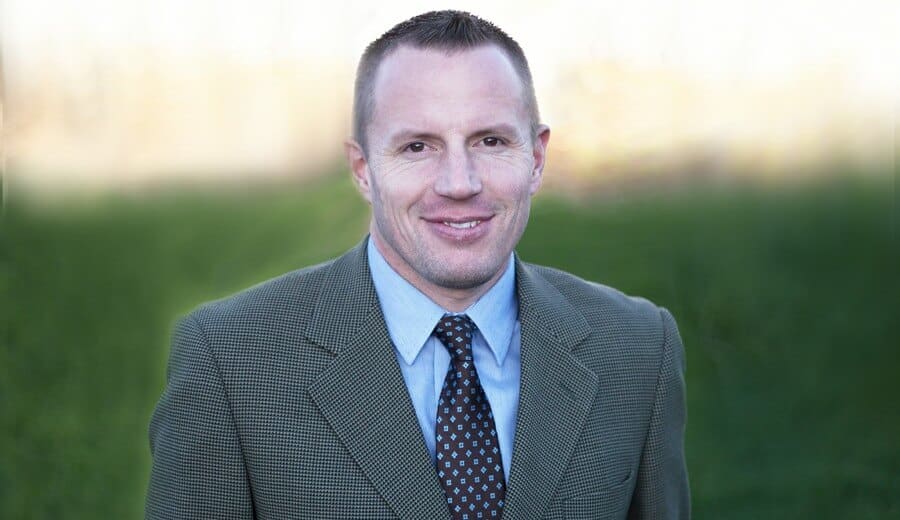
Chris Cockayne is a Utah-based personal injury attorney and the founder of Cockayne Law. With over 15 years of legal experience, Chris has handled a wide range of personal injury and motor vehicle accident cases. He writes about personal injury law, motor vehicle accidents, insurance claims, and related legal issues.
Know more about Chris Cockayne or my other social profiles like Avvo | Martindale | lawyers | Findlaw | Yelp | lexinter | Linkedin | Facebook | and X
This post is also available in: