
Rear-End Collisions: Fault, Claims, and Compensation
/in Blog/by Chris CockayneThe chances of being rear-ended while standing at a red light, at intersections, or trapped in slow traffic are high. Rear-end collisions are among the most common traffic accidents in Utah. In rear-end crashes, neck and back pain are common. Victims are often left dealing with medical bills, lost income, and stress. In Utah, your own PIP coverage pays the first medical costs, and then you may step outside of no-fault if you meet certain injury rules.
Table of Contents
ToggleAs the process begins, it’s essential to take the right steps. A car accident legal representative in Utah is always available to help. A licensed Utah personal injury attorney typically can handle evidence, deadlines, insurance calls, and fair compensation. In the meantime, you focus on healing.
Key Things You Should Know
- The rear driver is often at fault in Utah
- Fault can be split between both drivers
- Utah PIP pays first medical bills
- You can step outside no-fault after thresholds
- Keep photos, names, and medical records
- Do not skip medical follow-ups
- Claims have strict time limits
- Utah’s 4-year personal injury statute of limitations (§ 78B-2-307)
- Note that PIP claims have different, shorter deadlines
- Missing these deadlines can permanently bar your claim, regardless of how strong it is.
- Talking to insurers can affect value
How Do You Define a Rear-End Collision?
A rear-end accident occurs when a vehicle strikes the car ahead of it. Common causes include tailgating, distracted driving, speeding, fatigue, poor weather conditions, and sudden traffic slowdowns. The body can whip forward and back even at low speed, causing soft tissue damage that might not be visible right away.
Always document the scene. Get photos of the bumper heights, skid marks, inside your car, child seats, and road signs. Save dashcam footage if available. See a doctor early, even if you feel “okay.”
Delayed symptoms are common after this type of crash, and early tests create a clear medical record. Keep a small journal of your pain, sleep, and missed work days. This simple log helps connect the crash to your day-to-day loss and can support your injury claim.
Fault in Rear-End Accidents in Utah
Safe following is your best defense against rear-ending another vehicle in Utah. When a driver follows too closely, they are usually at fault. That said, fault is not automatic. It can shift if the lead driver suddenly cuts in without space, stops for no reason, drives with broken brake lights, or reverses.
Utah also uses modified comparative negligence. If both drivers share fault for an accident, the injured person’s compensation may be reduced by their percentage of fault. If either driver is 50% at fault or more, they cannot recover money from the other party.
How Shared Fault Reduces Your Payout
Utah’s modified comparative negligence rule sounds straightforward until you see how much it can reduce what you actually receive. Let’s have a practical example to understand this.
If you are found 25% at fault and your total damages are $60,000, then your compensation will be reduced by 25%, leaving you with $45,000.
If you are found 50% or more at fault, Utah law generally prevents you from recovering damages from the other driver. However, other sources of coverage may still be available depending on the circumstances and the insurance policies involved.
This is why evidence matters so much in rear-end cases that seem straightforward. An insurer looking to reduce a payout may look for evidence suggesting you contributed to the crash. For instance, sudden braking, no signal, or lane positioning to shift a share of fault onto you.
Strong photos, neutral witness statements, and a clear police report make it much harder to move that percentage in the wrong direction.
In complex cases, an accident reconstruction expert may analyze crash dynamics. Liability decisions should be based on evidence, not assumptions. Photos, damage points, witness notes, traffic cameras, and event data recorders can all show what truly happened.
When in doubt, speak with a car accident attorney in Utah about preserving proof early. In disputed cases, insurers may rely heavily on insurance adjuster evaluations before settlement negotiations begin.
Situations Where The Rear Driver May Share Fault
There are a few situations in which the lead driver’s actions matter. When driving in heavy traffic, drivers may cut across lanes, fail to signal lane changes, or stall without moving to the shoulder or have brake lights that do not work.
Each case is fact-specific. Even then, the rear driver must still show they acted with care. Comparative fault means your recovery can be reduced by your percentage, which is why documenting the scene and getting neutral witness statements can make a big difference.
Injuries And Symptoms Caused By Rear-End Collisions
Rear-end crashes often cause neck sprains, back strains, headaches, shoulder injuries, concussions, and knee or wrist injuries from bracing. Pain may start mild, then grow over the next 24 to 72 hours.
Do not wait on care. Early evaluation can catch hidden issues like disc injuries or a mild traumatic brain injury. If a child car seat is in the vehicle, check the seat maker’s guidance. Many advise replacing the seat after a crash. Keep all receipts for medications, braces, and travel to appointments.
These out-of-pocket costs belong in your claim. Tell your doctor about every symptom. Even small ones like brain fog or ringing in the ears, since these can connect to head or neck injuries. Follow your treatment plan. Avoid gaps that insurers may argue show you were not truly hurt.
Can You Be Injured in a Low-Speed Rear-End Collision?
Many people think that low-speed car accidents are harmless. But that is not always true. Even a rear-end collision at 10 to 30 mph can cause serious issues, including:
- Whiplash
- Neck strain
- Back pain
- Headaches
- Aggravate existing medical conditions
Often, insurance companies argue that minor accidents are not dangerous. However, injuries can occur even in lower-speed crashes.
When force is applied to the body, it can result in soft tissue injuries such as whiplash, even if the automobile appears undamaged. Actually, the basis of the claim is injuries, not the car speed.
Rear-End Accident Injury Claims in Utah: First Steps That Help
Start with safety and health. If anyone is injured, call 911 immediately and seek medical attention. After that, move to a safe place and accept help. Details about licenses, insurance policies, and names should be exchanged. Make sure a police report is created, as it can become important evidence later in the claim process.
Take broad and close-up photos. Get contact details for later witness testimony before they leave. A police report and official accident report are important because they help document what happened and support your claim later.
Contact your insurer immediately, but do not guess about fault or injuries in that first call. Keep a folder with the claim number, insurance adjuster name, repair estimates, and medical bills. Utah’s no-fault PIP will pay the first layer of medical expenses up to required limits, but keep in mind that there are legal thresholds that determine when you may pursue a bodily injury claim against the at-fault driver.
Utah law (section 78B-2-307) gives you four years from the crash date to file a personal injury lawsuit. But smaller deadlines hit sooner. PIP claims require prompt written notice to your insurer. If a government vehicle was involved, you have just one year to file a notice of claim. Missing any of these cuts off your right to recover, regardless of how strong your case is. Once you are safe and the scene is documented, confirm your deadlines with an attorney before anything slips.
An experienced Utah car accident lawyer can coordinate records, protect your words in recorded statements, and watch deadlines for you.
Rear-End Collision Compensation And What Affects Settlement Amounts
There is no fixed “average” settlement for a rear-end crash. Value depends on medical bills, future care, time off work, reduced earning capacity, property damage, and how the injury impacts your daily life. Utah’s no-fault system means your PIP pays first medical costs.
If your reasonable medical bills exceed the threshold or you suffer specific serious injuries, you can seek added money from the at-fault driver. Your percentage of fault matters.
A portion of your fault reduces your recovery, and if it is 50% or more, you cannot receive any compensation from the other driver. Settlements and the final settlement agreement also reflect how clearly the evidence shows liability and the strength of your medical proof. Careful documentation and early legal guidance can turn a low offer into a fair one.
How Much Is A Rear-End Collision Settlement Worth?
Many people want to know how much money they can get after being rear-ended. Because every case has different scenarios, there is no fixed settlement amount. However, factors that often affect settlement value include:
- Medical expenses
- Lost income
- Future treatment needs
- Pain and suffering
- Property damage
- Permanent injuries
- Strength of the evidence
- Percentage of fault
For example, a person who only needs a few weeks of treatment for whiplash may receive a very different settlement compared to someone who requires surgery or long-term care after a severe rear-end crash.
How PIP Fits Into The Bigger Picture
Utah policies generally include at least $3,000 in Personal Injury Protection (PIP) benefits, although some policies may provide additional coverage. These benefits apply regardless of fault but may be subject to policy coverage exclusions, such as non-covered treatment types or policy limit restrictions.
Using PIP does not hurt your right to pursue the at-fault driver when you meet the threshold for stepping outside no-fault. Keep all PIP explanation of benefits forms, as they help track what has been paid and what remains to be claimed from the liability insurer.
Utah’s No-Fault Threshold
According to Utah law (section 31A-22-309), every driver must have a minimum of $3,000 in PIP coverage. Before pursuing a bodily injury claim against the at-fault driver, you must meet at least one of Utah’s no-fault thresholds:
- Your medical bills are more than 3000 dollars (OR)
- You face a permanent injury, dismemberment, significant disfigurement, or death
If you do not meet one of these thresholds, your recovery is limited to PIP.
Medical Care, Billing, And Liens
After the ER visit, many people face therapy, imaging, pain management, or specialist consults. Keep every bill and note who paid. PIP may pay first, then health insurance, then the at-fault driver’s insurer.
Treatment may be provided on a lien, which means they agree to be compensated from the settlement. This is known as a medical lien, where medical providers agree to be paid directly from the final settlement instead of upfront billing.
Ask clinics to bill PIP first when possible. Track mileage to and from appointments, as Utah claims can include reasonable travel costs for medical care. If you lack a primary doctor, your legal team can often suggest local clinics with experience.
What Not to Skip?
Do not stop caring early without medical approval. Do not post about your injuries online. Do not sign blanket medical releases for the other insurer. These actions can harm your claim value.
Hire the Skilled Car Accident Attorney in Utah For Rear-End Crashes
Chris Cockayne and his team at Cockayne Law help people after rear-end crashes every week. After building strong files with photos, scene evidence, and medical assistance, they push for fair compensation from the right sources in the right order.
You’re kept informed, and your questions are answered in plain English. Also, you’re treated like your case matters, because it does. From handling PIP forms to dealing with adjusters and scheduling key expert reviews, they focus on the details that raise case value.
If talks stall, they are ready to file suit and keep moving. A formal demand letter is often sent to the insurer outlining injuries, liability evidence, and compensation demand before litigation begins. When your neck hurts and bills pile up, having steady help can make a real difference. If you want a straight path forward, talk with Chris and see how the plan would look for your case.
Conclusion
Accidents involving rear-ends are painful, frustrating, and confusing. Utah’s rules can help you get care and pay, but those rules also set limits and deadlines. Make health your first priority. Gather proof. Keep your records in one place.
Use PIP benefits, then seek more if you meet the thresholds for a third-party claim. Fault can be shared, and that changes value. That is why good evidence matters. If you need experienced guidance, Cockayne Law can review your facts and explain your options. They also help you aim for fair compensation without guesswork.
FAQ - Frequently Asked Questions
Who is usually at fault in a Utah rear-end crash?
The rear driver is often at fault because Utah law requires a safe following distance. Still, fault can be split if the lead driver cut in, stopped without reason, or had broken brake lights. Evidence decides this, not assumptions, so save photos and witness names.
What does Utah PIP cover after a rear-end collision?
Utah requires personal injury protection that pays early medical bills up to the statutory minimum, plus limited wage loss and household services in many policies. PIP applies regardless of fault and helps you start care while liability is sorted out. Keep all bills and insurer letters for your file.
Can I recover compensation if I was rear-ended while stopped?
Yes, you can. In many cases, the rear driver is found at fault when striking a stopped vehicle, but liability depends on the specific facts and evidence.
When can I step outside no-fault and claim against the other driver?
You can pursue the at-fault driver when your reasonable medical expenses exceed Utah’s threshold or you suffer specific serious injuries. Crossing the threshold lets you seek added damages like pain and suffering. Your documentation and medical records are key to showing that you qualify.
Who is at fault in a three-car rear-end accident?
It depends on how this chain collision happened. Multiple drivers may be found at fault. The liability is decided based on reports, witness statements and damage patterns.
Will PIP raise my premiums if I use it?
PIP is part of your policy and is meant to be used after a crash, regardless of fault. Premium changes depend on many factors, including your insurer’s underwriting rules and your claim history. Using the benefits you already pay for is a normal part of the process.
What should I bring to a lawyer meeting about my rear-end crash?
Bring the police report number, photos, names and numbers for witnesses, medical records and bills, pay stubs showing missed work, and your insurance cards. A simple timeline of pain and care helps too. With these basics, a lawyer can quickly assess the next steps.
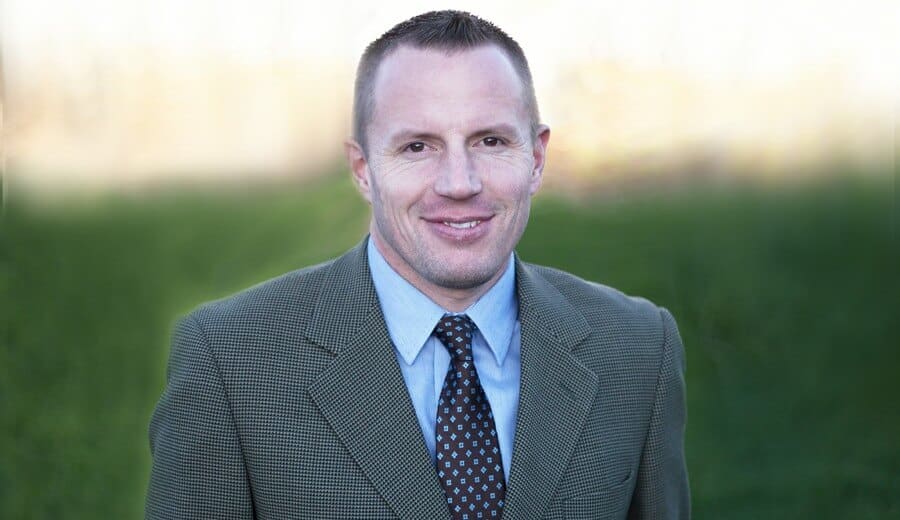
Chris Cockayne is a Utah-based personal injury attorney and the founder of Cockayne Law. Chris focuses exclusively on representing victims of car accidents, dog bites, and other injury claims, helping clients recover compensation for medical bills, lost wages, and long-term care. With over 15 years of legal experience, Chris has handled a wide range of personal injury and motor vehicle accident cases and is known for his client-focused advocacy and strong negotiation with insurance companies. Know more about Chris Cockayne or my other social profiles like Avvo | Martindale | lawyers | Findlaw | Yelp | lexinter | Linkedin | Facebook | and X
This post is also available in: Spanish