

How to Become A Personal Injury Lawyer?
/in Personal Injury Lawyer/by Chris CockayneTo become a personal injury lawyer, finish college, earn a solid LSAT score, complete law school, work in clinics, pass the bar exam, learn how much lawyers earn, and focus your daily work on injury cases. Pair those steps with steady service and honest marketing to grow into a respected personal injury attorney.
Table of Contents
ToggleConsider the case of a neighbor who was injured in a winter pile-up on I-15 and later needed a motorcycle accident attorney Utah. Medical bills arrive before the first police report is ready, and the insurer keeps stalling; this is often when people start thinking about filing a personal injury claim on your own. At that moment, the family needs more than legalese; they need steady help.
If you feel called to guide people through crises like this and help clients understand when to hire a personal injury lawyer, injury law might fit you. The road from freshman year to sworn lawyer takes grit: long nights studying torts, weekend depositions, the pressure of a two-day bar exam, and, eventually, understanding what a deposition looks like in real cases. Yet each stage teaches problem-solving skills that serve clients for life.
This step-by-step guide to becoming a personal injury lawyer tells Utah students and career switchers the best way to achieve that goal, from choosing a college major to establishing a local reputation. Look forward to straight talk, clear steps, and actionable tips.
Key Points You Should Know
- Any bachelor’s degree will do
- LSAT prep should start early
- Clinics build real case skills
- Utah’s bar exam uses the UBE format
- Contingency contracts need clarity
- Mentors accelerate courtroom growth
- Honest ads protect your license
- Speedy updates keep clients loyal
- Community talks beat billboard noise
- Results spread faster than slogans
Step-By-Step Guide to Becoming a Personal Injury Lawyer
The idea of helping crash victims is clear in your mind, but the journey from college classroom to courtroom is still hazy. The road to becoming an injury attorney is the same for every future lawyer. Here, you will find information on college selections, LSAT preparation, law school lessons and the big bar exam, and how to gain real-life experience before hanging a shingle. Keep this roadmap in reach; check off one step at a time, and you will have your first client before you know it, bold and focused.
Step 1: Obtain Your Undergraduate Degree
Law schools require a bachelor’s degree, yet impose no strict major. Choose a subject you enjoy enough to maintain a high GPA. It’s often 3.5 or better. English sharpens writing; engineering trains analytical thinking; nursing or kinesiology gives insight into bodily harm, helpful later for a bodily injury attorney.
If you need to toughen up for the LSAT, you can also take elective courses in logic, statistics, or abnormal psychology. Debate clubs, Model UNs, and student governments all help students to become better public speakers. You can see the art of settlement up close by volunteering at small claims court or with a local personal injury lawyer Odgen & Weber one day a month. Make notes about what you observe in a journal; it reflects the importance of timely evidence collection in real cases. This will give your future personal statements more life.
Step 2: Prepare for and Take the LSAT
On the LSAT, you will be measured on your reading speed, logic games, and argument analysis. Begin six months out with free sample tests, then add a prep course if scores stall. On Saturday mornings, simulate full exams: five sections, no phone, strict timing. Track improvement weekly. Aim for the mid-160s to reach scholarship ranges at Utah or neighboring states’ schools. A high score can compensate for a lower GPA, which can save you thousands of dollars in future student debt, and later help you better explain legal fees in injury cases to clients
Step 3: Enroll in Law School (J.D.)
Consider an ABA-accredited program, like S.J. Quinney in Salt Lake City, or BYU’s J. Reuben Clark, both of which fit.
- First-year courses include torts, contracts, and civil procedure, bread-and-butter for any accident attorney. Seek professors active in plaintiffs’ work; their war stories turn dry doctrine into living strategy.
- In year two, sign up for insurance law, an evidence workshop, and trial advocacy. Spend summers clerking at firms like Cockayne Law or the public interest arm of the Utah Association for Justice.
- Third-year clinics may allow you, under supervision, to argue a slip-and-fall motion or negotiate a wrongful death attorney’s settlement.
As a result of these reps, confidence is built prior to graduation.
Step 4: Gain Practical Experience
Grades may land interviews, yet courtroom skill seals offers. Try out for moot court or mock trial; victories there catch the eye of hiring partners. Clerk for a judge for a semester to learn how objections play out from the bench. You can draft demand letters for individuals, order medical records, and attend mediation in personal injury cases while working part-time with a no-win-no-fee lawyer and learning to calculate special damages in personal injury claims.
Be aware of the tactics that impress adjusters and improve your skill in talking to insurance adjusters: clear timelines, color-coded exhibits, and a calm but firm tone of voice. Developing these habits will lead to a solid settlement in small claims.
Step 5: Pass the Bar Exam
Utah uses a uniform bar exam, on which filers are tested on areas of law including torts, constitutional law, evidence, and others. Get a decent prep course, do 8-10 hours of study a day for 10 weeks, and stick to a regimen.
Do at least four full practice tests. When test day arrives in July or February, bring snacks, layers, and a calm mindset; panic costs points. After the results are posted, submit your character and fitness paperwork and sit for the Multistate Professional Responsibility Exam. A sworn oath follows, marking the end of student status and the birth of your license.
Step 6: Specialize in Personal Injury Practice
Freshly licensed, join a trial-heavy shop or a mid-size personal injury law firm with seasoned mentors. Shadow a trial advocacy lawyer during voir dire; note the balance between firmness and grace that wins jurors’ trust.
Attend Utah Association for Justice workshops on trucking regulations or medical malpractice trends. Take certification exams through the National Board of Trial Advocacy once eligible; board-certified branding sets you apart in ads and at settlement conferences.
Publish short articles in local papers on winter driving safety, using plain language. Community members who read your advice often remember your name when accidents strike, giving your practice a steady pipeline without paid leads.
How to Build Your Reputation and Client Base as a Personal Injury Lawyer
Here’s how you can build your reputation and client base as a personal injury lawyer.
Serve with empathy first
Injured callers rarely know legal jargon; they gauge trust by tone, especially when talking to a personal injury lawyer for the first time. Use everyday words, listen for hidden worries (childcare, mortgage), and explain the next step before hanging up.
Return calls fast
Return calls quickly because poor communication is one of the reasons lawyers can drop your case or lose client trust. A simple “Still waiting on radiology records, will update tomorrow” can calm nerves that otherwise ruin lawyer-client bonds.
Partner with healthcare providers
Physical therapists see whiplash cases daily. Attend their staff meetings, offer lunch-and-learn sessions on lien laws, and leave a one-page outline of patient rights. A single solid case from a therapist’s referral often covers months of outreach costs.
Build trial muscle
While most cases settle, defense adjusters track which attorneys are likely to win a verdict. Attend three CLEs a year, enter volunteer trials for mock juror feedback, and keep a digital library of closing argument clips that resonate.
Use online space wisely
Post weekly micro-videos: “Three things to do after a rear-end crash,” or “What makes a contingency fee fair?” OR, “What percentage lawyers take from settlements?” Keep each under one minute with captions for silent scrolls. Authentic, low-production clips often outrank slick ads because they feel real.
Mind the rules
Utah’s ethics code bars statements like “best in town.” Share facts instead: years in practice, trial wins, or bilingual staff. Transparency builds trust faster than slogans and reduces the chances clients feel the need to fire your personal injury lawyer.
Give back
You can sponsor a high school safe-driving program or a 5K benefiting spinal cord research. Media coverage from these events introduces you as the injury compensation lawyer who shows up long before payday.
Follow these habits, and you will see referrals from opposing counsel, court clerks, and even jurors. Reputation, once set, markets itself.
Final Thoughts
Stepping into injury law means shouldering other people’s burdens, medical debt, lost wages, and daily pain. The journey from college freshman to trusted auto car accident attorney is long, yet every stage teaches a skill that serves real families. Class notes on negligence morph into closing arguments; late-night briefing practice becomes a lifeline for the parent who missed three paychecks. Utah needs attorneys who combine sharp knowledge with true empathy. If that picture fits you, start today. Schedule an LSAT practice test, email a mentor, or shadow a trial next week. Firms like Cockayne Law once took those same first steps, and now their work eases thousands of lives. Yours can, too.
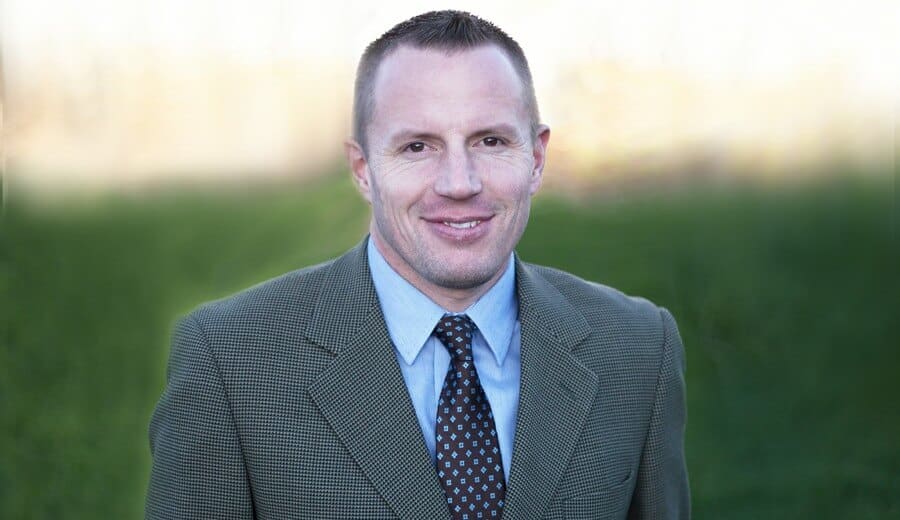
Chris Cockayne is a Utah-based personal injury attorney and the founder of Cockayne Law. Chris focuses exclusively on representing victims of car accidents, dog bites, and other injury claims, helping clients recover compensation for medical bills, lost wages, and long-term care. With over 15 years of legal experience, Chris has handled a wide range of personal injury and motor vehicle accident cases and is known for his client-focused advocacy and strong negotiation with insurance companies. Know more about Chris Cockayne or my other social profiles like Avvo | Martindale | lawyers | Findlaw | Yelp | lexinter | Linkedin | Facebook | and X
This post is also available in: Spanish