

What to Do if You’re Injured in a Multi-Vehicle Car Accident
/in Car Accident, News/by Chris CockayneAccidents involving multiple vehicles, often referred to as pile-ups, can quickly turn into chaotic and overwhelming situations. With numerous drivers, passengers, and vehicles involved, determining fault and navigating insurance claims can be complicated. If you’ve been injured in a multi-vehicle car accident, knowing what steps to take can help protect your health, legal rights, and financial well-being.
Table of Contents
ToggleAt Cockayne Law in West Jordan, Utah, we specialize in helping individuals involved in car accidents—especially complex cases like multi-vehicle collisions. Here’s a step-by-step guide on what to do if you’re in such a situation.
Key Points You Should Know
- Multi-vehicle accidents often involve several insurance companies
- Fault may be shared between multiple drivers
- Police reports are especially important in pileup crashes
- Witness statements can help establish liability
- Medical treatment should be sought immediately after the accident
- Utah comparative fault laws may affect compensation
- Evidence can disappear quickly after chain-reaction collisions
- An attorney can help identify all liable parties
What Is a Multi-Vehicle Accident?
A multi-vehicle accident is a crash that involves more than 2 vehicles. Some people also refer to these as “chain-reaction accidents” or “pile-up crashes” because one impact triggers many others.
Multi-vehicle accidents usually take place on interstates, highways, and busy roads where traffic is moving at higher speeds. Common reasons for these types of accidents can be factors like distracted driving, sudden braking, tailgating, etc.
Unlike a two-car accident, determining the actual liability in a multi-vehicle crash can be far more complex. Here, it’s very common that many drivers may share fault, and even several companies might become involved.
Because these cases often involve multiple injuries and extensive property damage, preserving evidence and obtaining legal guidance early is extremely important.
Prioritize Your Health and Safety
Your top priority after any car accident should be your health and safety.
1. Check Yourself and Others for Injuries
First, check yourself for injuries. Adrenaline can mask pain, so be attentive to how you’re feeling and seek medical help for even minor discomfort. If you’re able, check on passengers in your vehicle and others nearby.
2. Move to a Safe Location if Possible
Pile-ups often happen on high-traffic roads like highways, leading to dangerous conditions for those on-site. If it’s safe and your vehicle is still operable, move to the shoulder or another area away from traffic. However, if moving poses a risk, remain in your car with your seatbelt fastened until help arrives.
3. Call 911 Immediately
Multi-vehicle accidents typically require emergency response teams, given the number of people and vehicles involved. Call 911 to report the accident, request medical assistance, and get law enforcement on the scene to document the crash.
Gather Key Information at the Scene
While waiting for help to arrive, take steps to collect important information. This will be crucial when filing insurance claims or pursuing legal action.
1. Exchange Information with Drivers
Collect the name, contact information, insurance details, and license plate numbers of all drivers involved in the accident. With multiple drivers, it’s essential to document as much as possible to keep track of everyone.
2. Take Photos and Videos
Document the scene from multiple angles. Capture photos or videos of the vehicles involved, damage sustained, road conditions, traffic signs, and any other relevant details. These can serve as invaluable evidence later.
3. Speak to Witnesses
If any bystanders witnessed the accident, ask for their contact information and a brief account of what they saw. Independent witnesses can play a key role in determining fault in multi-vehicle crashes.
Why Multi-Vehicle Accidents Are More Complicated Than Other Crashes
A chain-reaction collision often leads to challenges that don’t exist in a standard two-vehicle accident.
For example:
- Witnesses may give conflicting statements
- Many drivers may blame one another
- Vehicle damage might overlap between impacts
- Multiple insurance companies might investigate the crash
- Accident reconstruction experts might be needed
- Serious injuries are more common
Sometimes, the driver who triggers the whole collision initially may not be the only person responsible. In fact, other drivers may share liability if they were following too closely, distracted, speeding, or otherwise negligent.
Determining fault requires reviewing photographs, witness statements, vehicle damage patterns, police reports, expert analysis, and traffic camera footage.
Be Cautious When Giving Statements
1. Talk to Police But Stay Neutral
Provide factual information to the police about what happened, but avoid admitting fault or speculating. Multi-vehicle accidents are complex, and liability isn’t always clear on the scene.
2. Avoid Discussing Fault with Other Drivers
It’s natural to want to discuss what happened, but avoid arguing or admitting fault to other drivers. Anything you say could potentially be used against you in future claims or legal proceedings.
3. Seek Medical Attention
Even if you don’t feel injured, it’s essential to see a doctor as soon as possible. Some injuries, like whiplash or internal trauma, can take hours or days to manifest. Documentation of your medical visit also proves that you sought care promptly, which is critical for insurance or legal claims.
Common Injuries in Multi-Vehicle Accidents
Because multiple impacts often occur during a chain-reaction crash, injuries can be more intense and even fatal.
Common injuries include:
- Whiplash
- Neck injuries
- Back injuries
- Broken bones
- Concussions
- Traumatic brain injuries
- Internal injuries
- Spinal cord injuries
- Soft tissue injuries
Note that some symptoms might not show up immediately after an accident. So never ignore your symptoms, and don’t delay medical attention so your health is protected and you have the right documents for future claims.
Who Is At Fault in a Multi-Vehicle Car Accident?
Fault in multi-vehicle accidents isn’t always assigned to a single driver.
In some cases, one negligent driver triggers the initial collision that causes a chain-reaction crash involving several vehicles.
So, who is actually at fault? How can you determine that?
Well, to determine the liability, investigators and insurance companies usually examine:
- Police reports
- Vehicle damage
- Skid marks
- Dashcam footage
- Witness statements
- Traffic camera footage
- Accident reconstruction reports
Utah follows a modified comparative fault system (under Utah Code § 78B-5-818). That means your compensation can be reduced if you were injured and found to be partially responsible for the accident.
Because fault can impact your compensation significantly, determining liability is one of the most serious and vital parts of a multi-vehicle accident claim.
How Compensation Works After a Multi-Vehicle Accident
In a multi-vehicle accident, the compensation can come from one insurance policy or many, depending on how the collision happened.
Injured victims may be able to recover specific damages for:
- Medical expenses
- Lost wages
- Future medical treatment
- Reduced earning capacity
- Property damage
- Pain and suffering
When multiple drivers share fault, many insurance carriers can contribute toward a settlement. Determining which policy applies can be a bit challenging, particularly when severe injuries exceed available coverage limits.
A lawyer from a trustworthy firm, like Cockayne Law, can help identify all potentially responsible parties and pursue every available source of compensation.
How a Car Accident Lawyer Can Help
Dealing with the aftermath of a multi-vehicle car accident can be overwhelming, especially when insurance companies and multiple parties are involved. Working with an experienced car accident lawyer can help ensure you receive the compensation you deserve.
At Cockayne Law, we’ve handled numerous car accident cases in West Jordan, Utah. We understand the complexities that come with multi-vehicle accidents, from determining liability to negotiating with insurers. Our team can help you with the following:
- Analyzing police reports and witness statements
- Collecting and preserving evidence
- Handling communication with insurance companies
- Filing claims and pursuing compensation for medical bills, lost wages, and pain and suffering
Multi-vehicle accidents often involve disputes over who is at fault, with insurance companies trying to minimize payouts. Having an experienced legal advocate can make a significant difference in protecting your rights and securing fair compensation.
What Happens Next?
1. File an Insurance Claim
Report the accident to your insurance provider as soon as possible. Be honest about the details, but consult a car accident lawyer before making detailed statements or accepting settlements.
2. Focus on Recovery
With the help of professionals handling the legal side of things, you can focus on healing and getting back to your daily life.
3. Stay Informed
Multi-vehicle accidents can take longer to resolve due to the number of parties involved. Stay in communication with your lawyer to remain updated throughout the process.
Get Help from Cockayne Law Today
Multi-vehicle car accidents are complicated, but they don’t have to leave you feeling powerless. With the right legal support, you can recover the compensation you’re entitled to and focus on what matters most—your health and well-being.
If you’ve been injured in a car accident in West Jordan, Utah, contact Cockayne Law. Our team of experienced car accident lawyers is here to help. Schedule a free consultation today and take the first step toward resolving your case.
FAQ - Frequently Asked Questions
Can multiple drivers be at fault for the same accident?
Yes, there’s a high possibility of that. In fact, investigators often determine that many drivers contribute to this type of collision, and the common reasons include distracted driving, speeding, tailgating, or other negligent behavior.
How long do you have to make an injury claim after a car accident?
In Utah, the statute of limitations for most car accident injury lawsuits is four years from the date of the accident. That means that court proceedings must be issued within 4 years and even 1 year if a government entity was also involved in the accident.
Can I Still Recover Compensation If I Was Partially At Fault?
Utah follows a modified comparative negligence system, which means you can recover compensation only if you were less than 50% responsible for the crash. But of course, your compensation will be reduced based on your fault percentage.
How long does it take to settle a multi-vehicle accident claim?
Multi-vehicle accident claims usually take longer to resolve compared to other types of car accidents. After all, multiple insurance companies and injured parties get involved, so it becomes more complicated.
Can I Sue More Than One Driver After a Multi-Vehicle Accident?
Yes, you can sue more than one driver in this type of accident. If multiple parties were at fault in the crash, injury victims are allowed to seek compensation from more than one defendant or insurance policy.
Should I speak to another driver's insurance company?
Well, it’s usually good to be cautious when speaking with another driver’s insurer. Because sometimes, your statements can be used to reduce or dispute a claim. Many accident victims even choose to consult an attorney before they give any recorded statements.
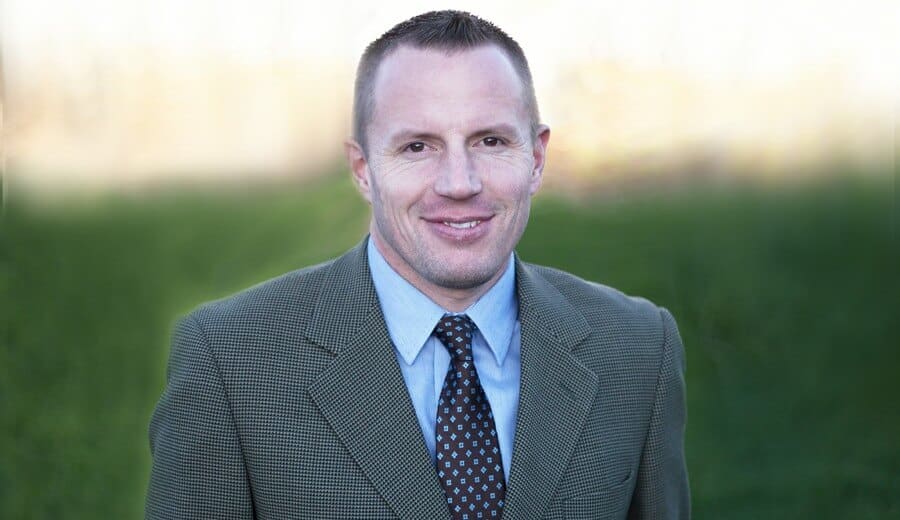
Chris Cockayne is a Utah-based personal injury attorney and the founder of Cockayne Law. Chris focuses exclusively on representing victims of car accidents, dog bites, and other injury claims, helping clients recover compensation for medical bills, lost wages, and long-term care. With over 15 years of legal experience, Chris has handled a wide range of personal injury and motor vehicle accident cases and is known for his client-focused advocacy and strong negotiation with insurance companies. Know more about Chris Cockayne or my other social profiles like Avvo | Martindale | lawyers | Findlaw | Yelp | lexinter | Linkedin | Facebook | and X
This post is also available in: Spanish