
9 Most Common Causes of Car Accidents
/in Blog, Resource/by Chris CockayneCrashing rarely happens as a result of a single mistake. In Utah, we see the same patterns again and again at lights, in merge lanes, during storms, and near road work.
Table of Contents
ToggleWhen people ask what causes most car crashes, the answer usually comes down to driver behavior, including distraction, speeding, impairment, fatigue, and failure to follow traffic laws.
This guide explains the top reasons crashes happen and how to avoid them. Keep reading!
Key Points You Should Know
- Slow due to weather and work zones
- Never drive after drinking or using drugs
- Rest before long or late drives
- Yield even when you feel rushed
- Stop fully and scan both directions
- Signal and change lanes one at a time
- Watch the lights and signs at intersections
- Report dangerous potholes or debris
What Are the Most Common Causes of Car Accidents?
The majority of car accidents are attributed to driver actions rather than issues with the vehicle or road conditions alone. Although each incident is unique, certain elements frequently emerge in accident reports throughout Utah and the United States.
The leading causes of car accidents are:
#1 – Distracted Driving
Looking away for even two seconds at 55 mph is like driving blind for half a football field. Phones are the top issue, but eating, adjusting the screen, and turning to talk can also split your focus.
What do the numbers show?
National data links distraction to thousands of deaths each year. In 2023, at least 3,275 people were killed in distraction-affected crashes across the United States. That is 8% of all road deaths that year.
Nearly half of Utah crashes happen at intersections, where a quick glance at a text can hide a pedestrian or a green light turning yellow.
A risk-reduction strategy
- Turn off your phone before shifting into drive.
- If a call or text cannot wait, pull into a lot.
- Keep snacks, pets, and loose items secured so they do not demand your attention.
#2 – Speeding and Aggressive Driving
Speed cuts your reaction time and pushes crashes from minor to severe. Speeding remains one of the leading causes of motor vehicle accidents because drivers have less time to react to hazards, traffic changes, and sudden stops. Hard weaving, rapid lane shifts, and road rage stack the risk even more.
What the numbers show
In 2022, there were 12,151 traffic deaths attributed to speeding. It represented 29% of all U.S. traffic fatalities. Teen drivers had the highest share of speeding in deadly crashes.
Utah angles
State data lists speed and “too fast for conditions” among the leading factors in fatal crashes. Slowing five to ten mph often means the difference between a scare and a serious injury. Those hurt in high-speed crashes frequently consult a Personal Injury Attorney West Valley City to understand their legal options.
Lowering your risk
- Leave earlier so you do not feel pushed.
- Match speed to weather, traffic, and roadwork.
- Let aggressive drivers pass. Your goal is to get home.
#3 – Drunk or Drug-Impaired Driving
The effects of alcohol and drugs are to slow thinking, blur vision, and delay braking. Even “just a couple” can change judgment.
Driving under the influence remains one of the most dangerous causes of car accidents because alcohol and drugs affect reaction time, judgment, coordination, and decision-making.
Utah crash reports note impairment in many fatal crashes. Plan a sober ride or stay where you are. No ride share fee will ever match the cost of a crash.
How to lower your risk?
- Set a sober driver before the first drink.
- Use a ride share or taxi anytime you feel buzzed.
- Remember, some medications affect driving. Read labels.
#4 – Drowsy Driving
Sleep loss slows reaction time and causes microsleeps that often last only a few seconds. Many drivers wonder, “How long do microsleeps last?” Typically, microsleep episodes last less than a second to approximately 10 seconds, which is sufficient time to cover a considerable distance without responding to surrounding traffic.
In that short span, a car can cover hundreds of feet while the driver remains largely oblivious to the road. On a highway, this duration can be sufficient to overlook brake lights, veer out of your lane, or not respond to halted traffic ahead.
What the numbers show
Analysis of federal crash data estimates that about 17.6% of fatal crashes from 2017 to 2021 involved a drowsy driver. The true number may be higher because tiredness is hard to measure after a crash.
Utah angles
In the middle of the night or after a long shift, long stretches of I-15 and I-80 are a convenient place to zone out. You should stop drifting in your lane when you notice yourself doing so.
Here are some tips for reducing your risk
- Sleep seven to nine hours before long trips.
- Switch drivers or pull off for a short nap when you yawn often.
#5 – Failure to Yield the Right of Way
Failure to yield the right of way is a leading factor in traffic accidents at intersections. Drivers who hurry through turns, merge into traffic without sufficient space, or overlook pedestrians can trigger severe side-impact and head-on crashes.
How to lower your risk
- Make a full stop and count one-two before moving.
- For unprotected lefts, do not go on the last second of yellow.
- Watch for pedestrians finishing a crosswalk on your green.
#6 – Running Red Lights and Stop Signs
Running a light or sign turns the intersection into a high-speed crossing. The person you hit gets little warning.
In 2023, 1,086 people were killed in crashes that involved red light running in the United States. More than 136,000 people were injured. Many victims were people in other cars, bicyclists, or pedestrians.
With 47% of Utah crashes at intersections, full stops and patient right turns make a real difference. Do not race the yellow. Scan both ways before entering on green.
Taking steps to reduce your risk
- Look to the left, right, and then left again.
- Cover the brake when entering a busy intersection.
- Expect others to run the light and be ready.
#7 – Unsafe Lane Changes and Improper Merges
A blind-spot miss, a last-second dash to an exit, or merging at the wrong speed can lead to sideswipes and chain-reaction crashes.
Utah lists unsafe lane change among the top driver factors in all crashes. It is common for drivers to fail to keep in the correct lane, which leads to fatal crashes.
Risk-reduction tips
- First signal, then check mirrors and blind spots.
- Move one lane at a time.
- Match freeway speed in the ramp, then merge into the space.
- If you miss a turn, go to the next exit instead of cutting across.
#8 – Following Too Closely (Also Called Tailgating)
You cannot stop in time if the car ahead brakes hard. Tailgating also triggers road rage and panicked swerves.
“Followed too closely” was the number one driver factor in all Utah crashes in 2023. Likewise, Utah law requires a reasonable and prudent following distance based on speed and traffic.
Risk-reduction tips
- Use the three-second rule in good weather.
- Double the gap in rain or snow.
- Leave room at the lights so you can steer around a stalled car.
#9 – Weather-Related Crashes
Tires lose grip quickly on wet roads, while snow, ice, and fog can conceal danger. Oil on the drizzle? Weather-related crashes: Weather factors into an average of 12 percent of all crashes nationally, killing thousands and injuring hundreds of thousands each year.
Utah drivers often face long periods of snow and ice during winter, followed by sudden storms and rapidly changing road conditions.
How to lower your risk
- Slow down, turn on headlights, and leave extra space.
- Clear all windows and mirrors before you drive.
- If visibility drops, pull off at the next safe exit rather than stopping in a live lane.
Why Do Traffic Accidents Happen So Often?
Traffic accidents occur daily as driving demands continuous focus, rapid decision-making, and adherence to traffic regulations. A momentary distraction can result in a severe crash.
Although many believe that accidents stem from one error, it is seldom the case that a crash has a single cause. Often, multiple elements come together to form a dangerous scenario.
Driver actions are the primary cause of most vehicle accidents. Common factors include distracted driving, speeding, driving under the influence, fatigue, not yielding, and aggressive driving.
While weather conditions, road hazards, and limited visibility can heighten the risk, it is often the driver’s behavior that decides if a collision occurs.
By understanding the reasons behind car accidents, drivers can identify risky habits before they result in a crash. Staying vigilant, adhering to traffic laws, and adapting to road conditions can greatly lower the likelihood of being involved in an accident.
How Does a Car Accident Lawyer Help Your Claim?
An experienced car accident lawyer like Chris Cockayne at Cockayne Law can measure the full loss, not just the first bill. That includes time off work, future treatment, and pain from lasting injuries. They also understand state rules.
Utah is a no-fault state for car insurance, with personal injury protection that pays early medical bills. Serious injuries can step outside no-fault if bills top the threshold, allowing a claim against the at-fault driver.
In drunk-driving cases, Utah’s .05 BAC limit supports strong proof of impairment. A local attorney will use records, experts, and photos to show what really happened and protect your rights.
If you want a free review, Cockayne Law helps crash victims across Utah and can explain your best next steps.
Hire a Car Accident Lawyer To Compensate Your Loss
Getting medical care and car repairs is hard enough. Dealing with claims, forms, and low first offers makes it worse. A local car accident lawyer handles the calls, builds the proof, and keeps you on track with deadlines.
In Utah, that includes gathering the crash report, medical bills, photos, and witness notes while you focus on healing. If an insurer is slow to respond, your lawyer keeps the file moving. You get clear answers and a plan, step by step.
FAQ - Frequently Asked Questions
How do Utah’s no-fault rules affect my claim?
The State of Utah mandates that all riders must have personal injury protection which automatically pays your initial (immediate) medical bills. If your medical bills are over the threshold or you have some more serious injuries that occur, you can go after the at-fault driver for more.
What if the other driver was speeding or ran a red light?
Their violation helps prove fault. Speeding and red light running are among the leading causes of car accidents and severe intersection collisions. Evidence showing a traffic violation can help establish liability after a crash. Gather photos, videos, and witness notes. A lawyer can request camera footage and traffic data to back your case.
How does Utah handle drunk driving in crash cases?
Utah’s legal limit is .05 BAC for standard drivers, lower than other states. An impaired driver’s test results, field tests, or guilty plea can support your injury claim for damages.
Why are intersections so dangerous in Utah?
Almost 50 percent of Utah crashes occur at intersections and some of the leading causes are left turns, red light running, or failure to yield. Currently, it slows down and stops after it turns green to scan for late cross-traffic.
Should I leave enough space to avoid tailgating?
If the weather is good, leave a three-second gap, and if it is raining or snowing, leave more time. Utah law requires a reasonable and prudent following distance. Doubling the gap in bad weather is a safe rule.
Do phones really cause that many crashes?
Yes. Distraction is linked to thousands of deaths nationwide each year. A quick glance at a text can hide a stop sign or a person in a crosswalk. Use Do Not Disturb and pull off for urgent calls.
Are work zones a big crash risk in Utah?
They can be. Utah recorded more than a thousand work zone crashes in a recent year. Slow down when you see orange signs, merge early, and follow the posted speeds.
What causes most crashes involving new drivers?
Numerous accidents with inexperienced drivers stem from distractions, excessive speed, following too closely, failure to yield and inadequate hazard awareness. Lack of experience can hinder quick reactions to shifting road conditions.
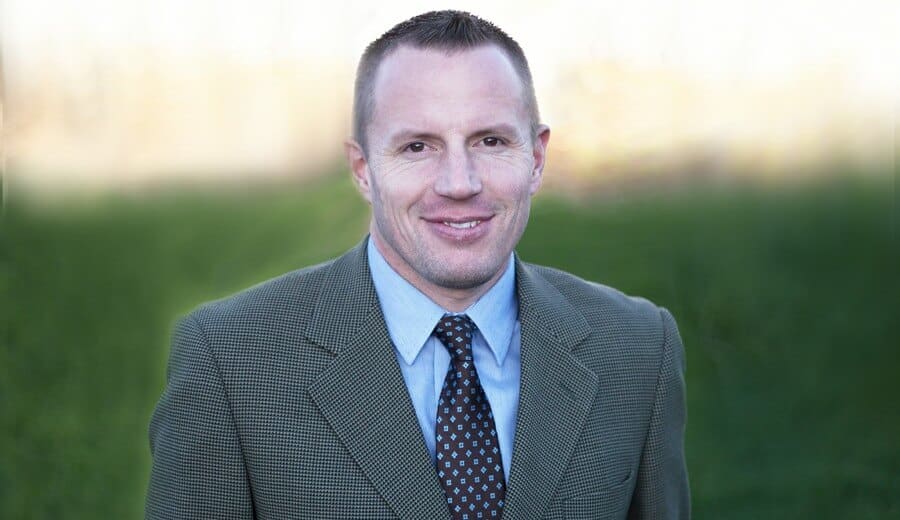
Chris Cockayne is a Utah-based personal injury attorney and the founder of Cockayne Law. With over 15 years of legal experience, Chris has handled a wide range of personal injury and motor vehicle accident cases. He writes about personal injury law, motor vehicle accidents, insurance claims, and related legal issues.
Know more about Chris Cockayne or my other social profiles like Avvo | Martindale | lawyers | Findlaw | Yelp | lexinter | Linkedin | Facebook | and X
This post is also available in: Spanish