
Utah Car Accident Laws: A Clear 2026 Guide For Drivers
/in Blog, Resource/by Chris CockayneUtah car accident laws use no-fault PIP first, require police reports for injury or $2,500 damage, and follow a 50 percent fault bar. Most injury lawsuits have a four-year deadline statewide. Minimum liability is 30/65/25 with $3,000 PIP. If you are searching for a car accident injury lawyer, this blog will help you speak with a lawyer with confidence and ask the right questions. We keep the focus on what matters today, in Utah.
Table of Contents
ToggleKey Points You Should Know
- Utah is a no-fault PIP state
- Report crashes with injury or $2,500 damage
- 30/65/25 minimum liability as of 2025
- $3,000 PIP and lawsuit threshold rules
- Four years to file most injury claims
- Car seat regulations are important
- 50% fault bar can block recovery
- Police reports help prove fault and damages
- UM or UIM helps after hit-and-runs
- Talk to a lawyer before giving statements
Utah Car Accident Laws At A Glance
Utah blends two systems. Claims start with no fault benefits called PIP, then fault still matters for larger losses. Police must be called when anyone is hurt, someone dies, or total damage is $2,500 or more.
You may also be required to submit a written report if the Department of Public Safety asks for it. At the scene, keep it simple. You should check for injuries, call 911, exchange names, insurance information, and registration information, and take photos.
Request a copy of the police report. These steps protect both your health and your claim. Utah raised the minimum auto liability limits to 30/65/25 on January 1, 2025. That is $30,000 for one injured person, $65,000 total per crash, and $25,000 for property damage.
Many drivers carry more because hospital bills rise fast. The PIP minimum remains $3,000 per person for medical bills, paid by your own policy first.
Reporting Rules In Utah: When And How To Report
Need step-by-step help on how to report a car accident? Follow our detailed guide:
When to call the police?
You should call instantly if anyone is hurt or if the car accident compensation looks like it could reach $2,500 or more due to the damages. The law requires notifying law enforcement in those events. Officers create a report that insurers rely on during fault and damage reviews.
If the crash seems minor?
Even small impacts can hide injuries. Report when in doubt. Some local agencies need a few business days before the report is ready. Ask how to request it and the fee. Getting that report often speeds your claim.
Why does it matter?
Failing to report when required can bring penalties and also invite disputes or denied car accident claims later. Insurers and courts look at police reports, photos, and medical records to decide fault percentages and payment amounts.
Utah Car Seat Laws And Child Passenger Safety Rules
Many drivers researching Utah car accident laws also want to be familiar with the child passenger safety requirements.
Utah law requires children younger than 8 years old to be secured in an approved child restraint system that fits their weight and height properly.
In general, the child restraint guidelines involve:
- Rear-facing car seats for young children and infants until they reach the weight and height limits of the manufacturer.
- Forward-facing car seats with a harness after outgrowing a rear-facing seat.
- Booster seats are used once a child has finally outgrown a forward-facing harness seat.
- Adult seat belts should only be used when they fit correctly across the upper thighs and chest without a booster.
Parents must always follow both the manufacturer’s instructions for weight limits, height limits, and installation and Utah law. Using the right restraint system highly reduces the risk of serious injuries during a collision.
Utah Booster Seat Laws: Age, Height, And Weight Requirements
Booster seat requirements are among the most commonly misunderstood child passenger safety rules in Utah.
Children under 8 typically must ride in an approved child restraint system. But many children still continue to need a booster seat after turning 8 because adult seat belts might not fit properly yet.
A child might be ready to stop using a booster seat when:
- The shoulder belt crosses the center of the shoulder and chest.
- The lap belt rests across the upper thighs rather than the stomach.
- The knees naturally bend at the edge of the seat without slouching.
- The child can sit completely against the vehicle seat.
While age matters under the law, proper seat belt fit is frequently the most vital safety aspect.
In fact, a lot of safety organizations recommend continuing booster seat use until the vehicle seat belt fits in a correct way without assistance.
When Can A Child Sit In The Front Seat In Utah?
Utah law doesn’t establish a particular minimum age for riding in the front seat. But safety experts usually recommend keeping children in the back seat until at least age 13 whenever possible.
Front-seat airbags deploy with great force and can seriously injure younger children if a crash happens. For that reason, children who still need a booster seat or car seat are safest in the rear seat.
When deciding whether a child is ready for the front seat, parents must consider:
- The child’s age and size.
- Whether the seat belt fits properly.
- Airbag safety risks.
- Vehicle manufacturer recommendations.
Although front-seat travel might be legal in various situations, the back seat still remains the safest location for many children.
No Fault And PIP In Utah: What Gets Paid First
Utah is a no fault state. That means your own Personal Injury Protection (PIP) pays first for reasonable medical care after a crash, no matter who caused it. The minimum PIP medical benefit is $3,000 per person. PIP can also include wage loss and household services in some policies.
You can step outside of no-fault and make a claim against the at-fault driver when your medical bills go over $3,000 or when the crash causes serious harm, such as permanent disability, disfigurement, or certain major injuries.
In those cases, you may seek pain and suffering and other losses from the person who caused the crash. Keep every bill and receipt. Use one medical history for the whole crash so the adjuster sees a clear record.
Utah Seat Belt Laws And Safety Requirements
Utah requires passengers and drivers to wear seat belts. Failing to wear it can increase the risk of serious injuries. Not only this, but it can also affect insurance claims after the crash.
Utah requires drivers and front-seat passengers to wear seat belts. Children must use the appropriate restraint system based on their age and size. Violations can result in fines, but the larger concern is safety.
Seat belts remain one of the most effective ways to reduce serious injuries and fatalities in traffic accidents. Proper seat belt use can also strengthen injury claims by reducing disputes about preventable injuries.
Fault And Comparative Negligence: How Utah Splits Responsibility
Fault still matters in Utah once you cross the no-fault threshold. Utah follows modified comparative negligence with a 50% bar. Your payment is reduced by your share of fault. A personal injury lawsuit cannot be recovered if the plaintiff is 50% or more at fault. For determining fault shares, insurers study police reports, photos, damage patterns, and road rules.
The more you take a left turn without a safe gap, the more you speed, the more you tailgate, and the more you use your phone while driving, the more you can increase your share. Weather and road hazards can also play a role. Adjusters may split fault when both drivers made errors. And remember, fault can be even more complex in multi-vehicle accidents.
Your job is to give clear facts that match the evidence. Keep a simple timeline, save dashcam clips, and take repair photos. If an insurer pushes a high fault number on you, a car accident attorney can challenge it with expert review and, if needed, a reconstruction.
Utah Hit-And-Run Laws And Driver Responsibilities
Leaving the accident scene is never a good idea. In fact, it can lead to serious civil and criminal penalties in Utah.
That’s why drivers who are involved in a collision must stop and:
- Exchange information
- Provide reasonable assistance to injured people
- Notify law enforcement when required
- Remain at the scene until legal obligations are met
If the at-fault driver, however, leaves the scene immediately, uninsured motorist (UM) coverage can help pay for your damages and injuries.
Moreover, hit-and-run accidents create additional challenges while identifying fault and recovering compensation, which makes prompt reporting especially crucial.
What Happens If The Other Driver Has No Insurance?
Not every driver carries sufficient insurance to cover crash-related damages.
In such situations, coverage that may help you involve:
- Personal Injury Protection (PIP)
- Uninsured Motorist (UM) coverage
- Underinsured Motorist (UIM) coverage
UM coverage may apply when:
- The driver leaves the scene
- The at-fault driver has no insurance
- Insurance coverage cannot be identified
Whereas UIM coverage mostly applies when the policy limits of the at-fault driver are too low to cover the damages completely.
No doubt, these coverages can become super important in serious accidents where medical bills exceed available liability limits.
Deadlines: Utah’s Statute Of Limitations And Other Time Traps
Most Utah car crash injury claims must be filed in court within four years. Property damage claims often have a 3-year limit. Wrongful death claims are usually two years. These are general rules with exceptions, so do not wait. If a government vehicle is involved, notice rules can be much shorter.
Evidence fades fast. Videos are deleted, cars get repaired, and witnesses move. Start the claim with your insurer quickly. Then collect medical records, wage proof, and repair estimates. If you plan to bring a claim against the other driver, talk with a personal injury lawyer Magna early. So you do not miss key steps such as preserving black box data or sending evidence.
Contact experienced Car Accident Injury Attorney Utah: Talk With Chris Cockayne At Cockayne Law
When pain, bills, and calls from adjusters pile up, the right guide matters. Chris Cockayne and the team at Cockayne Law help Utah crash victims sort out PIP benefits, fault disputes, medical liens, and settlement talks.
They speak with you in plain terms, set a plan, and handle the insurer while you focus on care. The firm can review your police report, check the $3,000 PIP threshold, and explain how Utah’s 50 percent bar could affect an offer.
They also look for every source of coverage, including UM or UIM for hit and run and short policies on borrowed cars. If needed, they file suit within Utah’s deadlines and line up the records and experts that help prove your claim.
Final Thoughts
Utah crash law is easier to handle when you break it into steps. Report when required, use PIP right away, track your care, and know that fault and deadlines still control the bigger claim. The new 30/65/25 minimums help, but many families need higher limits or UM or UIM (under Utah Code Section 31A-22-305.3) for better safety. Keep records and be careful with statements and negotiating car accident settlements. Also, ask questions until you feel clear on the next move. If you want local help, a short call with a Utah lawyer can steady the path and protect your rights.
FAQ - Frequently Asked Questions
Is Utah a no fault state and what does PIP pay?
Yes. Utah uses no fault rules. Your own PIP pays first for crash medical care. The PIP minimum is $3,000 per person. Policies can also include wage loss and household services. Keep bills and receipts so payments post without delay.
When can I sue the other driver in Utah?
You can bring a claim against the at fault driver when your medical bills go over $3,000 or when you suffer serious harm such as permanent disability or disfigurement. That is when pain and suffering can be part of your claim.
How does the 50% fault rule work?
Utah cuts your recovery by your share of fault. If you are 50 percent or more at fault, you cannot collect injury damages from the other driver. Fault is based on evidence like the report, photos, and road rules.
How long do I have to file a car accident injury case?
Most Utah injury cases have a four year limit. Property damage claims often last three years. Some claims, like those involving government vehicles, may have shorter notice rules. Ask a lawyer to confirm your exact deadlines.
What if the other driver has no insurance?
Uninsured or underinsured motorist coverage can step in if you bought it. In Utah, UM and UIM are not mandatory, but if purchased they track the new liability minimums. Ask your agent to confirm your limits.
Will PIP cover all my medical bills?
PIP pays first, up to your limit, commonly $3,000. If your care costs more, health insurance or the at fault driver’s liability coverage may pay next, depending on fault and the threshold rules. Keep all records to avoid gaps
When can a child stop using a booster seat in Utah?
Children under age 8 must ride in an approved child restraint system that fits their weight and height. After age 8, they need a booster seat until the vehicle seat belt fits properly across the upper thighs and chest. Proper seat belt fit is more crucial than age alone.
Should I talk to the other driver’s insurer?
Be polite but careful. Give basic facts only. Do not guess about pain, fault, or speed. You can ask a Utah lawyer to handle calls, which helps avoid statements that hurt your claim later.
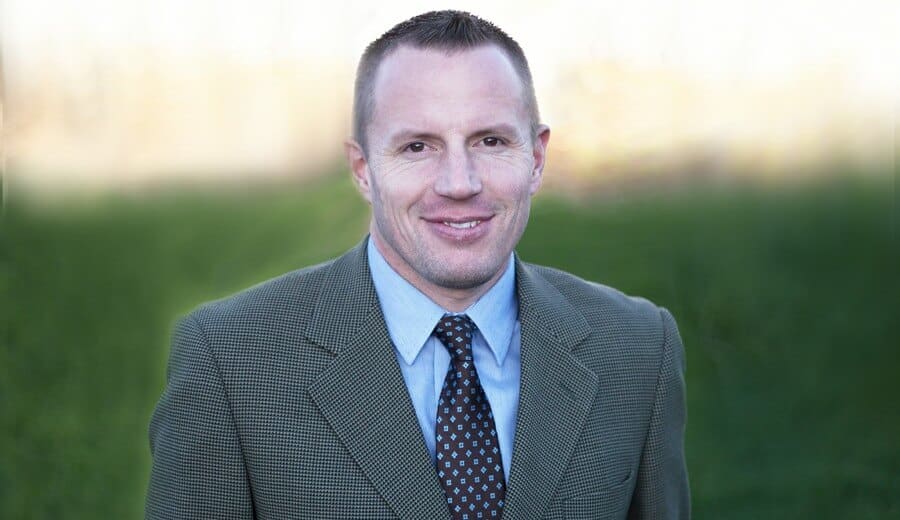
Chris Cockayne is a Utah-based personal injury attorney and the founder of Cockayne Law. With over 15 years of legal experience, Chris has handled a wide range of personal injury and motor vehicle accident cases. He writes about personal injury law, motor vehicle accidents, insurance claims, and related legal issues.
Know more about Chris Cockayne or my other social profiles like Avvo | Martindale | lawyers | Findlaw | Yelp | lexinter | Linkedin | Facebook | and X
This post is also available in: Spanish